
This is my IELTS writing task 2 sample answer essay on the topic of safety and going outside your home.
IELTS Essay: Safety
Many people don’t feel safe either when they are at home or when they go out.
What are the reasons for this?
What can be done to solve this problem?
Many people today report feeling unsafe both in their own homes and in public spaces. This anxiety stems from rising exposure to crime through media and real experiences of social disorder. Although the problem is complex, practical measures by governments can significantly improve public confidence and safety.
The major reasons for this fear are constant exposure to crime-related content and entrenched inequality. Twenty-four-hour news channels and social media platforms frequently highlight violent incidents, home invasions, and random attacks, even if these events are statistically rare. For example, after widely reported knife crimes in cities like London, many residents began installing surveillance cameras and avoiding public transport at night, despite overall crime rates declining in most boroughs. In addition, economic inequality and unemployment can contribute to higher levels of theft and burglary in certain neighborhoods, making people feel vulnerable even inside gated apartment complexes. Poor street lighting, abandoned buildings, and limited police presence further intensify the perception that no area is truly secure.
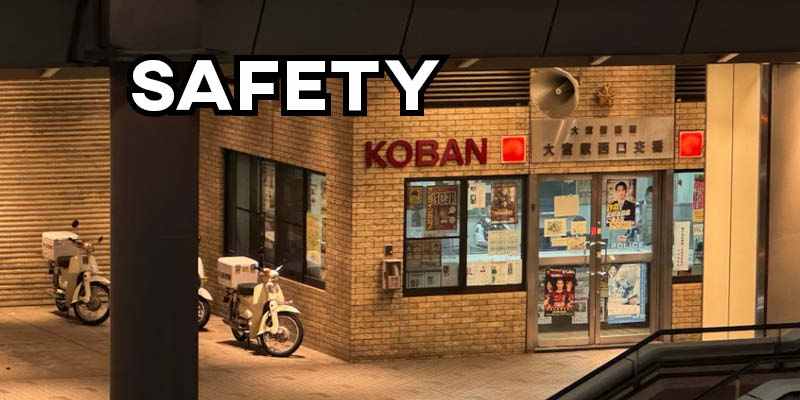
To address this issue, governments should focus on both prevention and reassurance. Increasing visible community policing, as seen in parts of Tokyo with its local “koban” police boxes, can deter petty crime and create a sense of approachability between officers and residents. Investment in urban design is also crucial: better lighting, functional CCTV systems, and well-maintained public spaces reduce opportunities for crime. As an extension, social policies that tackle root causes, such as job training programs for unemployed youth and mental health support, can prevent criminal behavior before it occurs. These combined efforts will produce the most effective, longest-lasting results.
In conclusion, fear of crime is fueled by media exposure, social inequality, and visible disorder. However, through improved policing, smarter urban planning, and stronger social support systems, governments can foster safer environments and restore public trust.
Analysis
1. Many people today report feeling unsafe both in their own homes and in public spaces. 2. This anxiety stems from rising exposure to crime through media and real experiences of social disorder. 3. Although the problem is complex, practical measures by governments can significantly improve public confidence and safety.
1. The major reasons for this fear are constant exposure to crime-related content and entrenched inequality. 2. Twenty-four-hour news channels and social media platforms frequently highlight violent incidents, home invasions, and random attacks, even if these events are statistically rare. 3. For example, after widely reported knife crimes in cities like London, many residents began installing surveillance cameras and avoiding public transport at night, despite overall crime rates declining in most boroughs. 4. In addition, economic inequality and unemployment can contribute to higher levels of theft and burglary in certain neighborhoods, making people feel vulnerable even inside gated apartment complexes. 5. Poor street lighting, abandoned buildings, and limited police presence further intensify the perception that no area is truly secure.
1. To address this issue, governments should focus on both prevention and reassurance. 2. Increasing visible community policing, as seen in parts of Tokyo with its local “koban” police boxes, can deter petty crime and create a sense of approachability between officers and residents. 3. Investment in urban design is also crucial: better lighting, functional CCTV systems, and well-maintained public spaces reduce opportunities for crime. 4. As an extension, social policies that tackle root causes, such as job training programs for unemployed youth and mental health support, can prevent criminal behavior before it occurs. 5. These combined efforts will produce the most effective, longest-lasting results.
- Write a new topic sentence with a new main idea at the end.
- Explain your new main idea.
- Include specific details and examples.
- Add as much information as you can and make sure it links logically.
- This essay is a bit long – aim for about 275 words.
1. In conclusion, fear of crime is fueled by media exposure, social inequality, and visible disorder. 2. However, through improved policing, smarter urban planning, and stronger social support systems, governments can foster safer environments and restore public trust.
- Summarise your main ideas.
- Include a final thought. Read more about conclusions here.
Vocabulary
What do the words in bold below mean? Make some notes on paper to aid memory and then check below.
Many people today report feeling unsafe both in their own homes and in public spaces. This anxiety stems from rising exposure to crime through media and real experiences of social disorder. Although the problem is complex, practical measures by governments can significantly improve public confidence and safety.
The major reasons for this fear are constant exposure to crime-related content and entrenched inequality. Twenty-four-hour news channels and social media platforms frequently highlight violent incidents, home invasions, and random attacks, even if these events are statistically rare. For example, after widely reported knife crimes in cities like London, many residents began installing surveillance cameras and avoiding public transport at night, despite overall crime rates declining in most boroughs. In addition, economic inequality and unemployment can contribute to higher levels of theft and burglary in certain neighborhoods, making people feel vulnerable even inside gated apartment complexes. Poor street lighting, abandoned buildings, and limited police presence further intensify the perception that no area is truly secure.
To address this issue, governments should focus on both prevention and reassurance. Increasing visible community policing, as seen in parts of Tokyo with its local “koban” police boxes, can deter petty crime and create a sense of approachability between officers and residents. Investment in urban design is also crucial: better lighting, functional CCTV systems, and well-maintained public spaces reduce opportunities for crime. As an extension, social policies that tackle root causes, such as job training programs for unemployed youth and mental health support, can prevent criminal behavior before it occurs. These combined efforts will produce the most effective, longest-lasting results.
In conclusion, fear of crime is fueled by media exposure, social inequality, and visible disorder. However, through improved policing, smarter urban planning, and stronger social support systems, governments can foster safer environments and restore public trust.
Answers
For extra practice, write an antonym (opposite word) on a piece of paper to help you remember the new vocabulary:
report feeling unsafe – express a sense of insecurity
their own homes – their private residences
in public spaces – in communal areas
This anxiety stems from rising exposure to – This concern arises from increased exposure to
media – mass communication outlets
real experiences of social disorder – direct encounters with public disturbance
complex – multifaceted
practical measures by governments – concrete government actions
significantly improve public confidence and safety – greatly enhance societal trust and security
The major reasons for this fear – The primary causes of this concern
constant exposure to crime-related content – continual contact with reports of criminal activity
entrenched inequality – deeply rooted disparity
Twenty-four-hour news channels – round-the-clock news broadcasters
social media platforms frequently highlight violent incidents – online networks often emphasize acts of violence
home invasions – residential break-ins
random attacks – unprovoked assaults
even if these events are statistically rare – although such incidents are uncommon in statistical terms
after widely reported knife crimes in – following extensively covered stabbings in
many residents began installing surveillance cameras and avoiding public transport at night – numerous inhabitants started setting up security cameras and refraining from nighttime transit use
despite overall crime rates declining in most boroughs – notwithstanding a general decrease in offences across many districts
economic inequality – income disparity
contribute to higher levels of theft and burglary in certain neighborhoods – lead to increased rates of stealing and break-ins in particular areas
feel vulnerable – experience a sense of exposure to harm
inside gated apartment complexes – within secured residential compounds
Poor street lighting – inadequate illumination on roads
abandoned buildings – derelict properties
limited police presence further intensify the perception that no area is truly secure – insufficient law enforcement visibility heightens the belief that nowhere is completely safe
To address this issue – To tackle this problem
focus on both prevention and reassurance – concentrate on deterrence and public reassurance
Increasing visible community policing – Expanding noticeable neighborhood patrols
local “koban” police boxes – small community-based police posts
deter petty crime – discourage minor offences
create a sense of approachability between officers and residents – foster closer rapport between police and the public
Investment in urban design – Funding improvements in city planning
crucial – essential
better lighting – enhanced illumination
functional CCTV systems – operational surveillance cameras
well-maintained public spaces – properly cared-for communal areas
reduce opportunities for crime – limit chances for criminal activity
As an extension – Furthermore
job training programs for unemployed youth and mental health support – vocational schemes for jobless young people alongside psychological assistance
prevent criminal behavior before it occurs – stop unlawful conduct prior to its emergence
These combined efforts – Such coordinated measures
produce the most effective – yield the greatest impact
longest-lasting results – most enduring outcomes
fear of crime is fueled by – anxiety about crime is driven by
social inequality – societal disparity
visible disorder – observable signs of neglect
through improved policing – by enhancing law enforcement
smarter urban planning – more strategic city development
stronger social support systems – more robust welfare networks
foster safer environments and restore public trust – cultivate more secure surroundings and rebuild community confidence
Pronunciation
Practice saying the vocabulary below and use this tip about Google voice search:
rɪˈpɔːt ˈfiːlɪŋ ʌnˈseɪf
ðeər əʊn həʊmz
ɪn ˈpʌblɪk ˈspeɪsɪz
ðɪs æŋˈzaɪəti stɛmz frɒm ˈraɪzɪŋ ɪkˈspəʊʒə tuː
ˈmiːdiə
rɪəl ɪkˈspɪəriənsɪz ɒv ˈsəʊʃᵊl dɪˈsɔːdə
ˈkɒmplɛks
ˈpræktɪkᵊl ˈmɛʒəz baɪ ˈɡʌvᵊnmənts
sɪɡˈnɪfɪkᵊntli ɪmˈpruːv ˈpʌblɪk ˈkɒnfɪdᵊns ænd ˈseɪfti
ðə ˈmeɪʤə ˈriːzᵊnz fɔː ðɪs fɪə
ˈkɒnstᵊnt ɪkˈspəʊʒə tuː kraɪm-rɪˈleɪtɪd ˈkɒntɛnt
ɪnˈtrɛnʧt ˌɪnɪˈkwɒləti
ˈtwɛnti-fɔːr-aʊə njuːz ˈʧænᵊlz
ˈsəʊʃᵊl ˈmiːdiə ˈplætfɔːmz ˈfriːkwᵊntli ˈhaɪlaɪt ˈvaɪəlᵊnt ˈɪnsɪdᵊnts
həʊm ɪnˈveɪʒᵊnz
ˈrændəm əˈtæks
ˈiːvᵊn ɪf ðiːz ɪˈvɛnts ɑː stəˈtɪstɪkᵊli reə
ˈɑːftə ˈwaɪdli rɪˈpɔːtɪd naɪf kraɪmz ɪn
ˈmɛni ˈrɛzɪdᵊnts bɪˈɡæn ɪnˈstɔːlɪŋ səˈveɪləns ˈkæmᵊrəz ænd əˈvɔɪdɪŋ ˈpʌblɪk ˈtrænspɔːt æt naɪt
dɪˈspaɪt ˌəʊvəˈrɔːl kraɪm reɪts dɪˈklaɪnɪŋ ɪn məʊst ˈbʌrəz
ˌiːkəˈnɒmɪk ˌɪnɪˈkwɒləti
kənˈtrɪbjuːt tuː ˈhaɪə ˈlɛvᵊlz ɒv θɛft ænd ˈbɜːɡlᵊri ɪn ˈsɜːtᵊn ˈneɪbəhʊdz
fiːl ˈvʌlnᵊrəbᵊl
ɪnˈsaɪd ˈɡeɪtɪd əˈpɑːtmənt ˈkɒmplɛksɪz
pɔː striːt ˈlaɪtɪŋ
əˈbændənd ˈbɪldɪŋz
ˈlɪmɪtɪd pəˈliːs ˈprɛzᵊns ˈfɜːðər ɪnˈtɛnsɪfaɪ ðə pəˈsɛpʃᵊn ðæt nəʊ ˈeəriə ɪz ˈtruːli sɪˈkjʊə
tuː əˈdrɛs ðɪs ˈɪʃuː
ˈfəʊkəs ɒn bəʊθ prɪˈvɛnʃᵊn ænd ˌriːəˈʃʊərᵊns
ɪnˈkriːsɪŋ ˈvɪzəbᵊl kəˈmjuːnəti pəˈliːsɪŋ
ˈləʊkᵊl “koban” pəˈliːs ˈbɒksɪz,
dɪˈtɜː ˈpɛti kraɪm
kriˈeɪt ə sɛns ɒv əˌprəʊʧəˈbɪləti bɪˈtwiːn ˈɒfɪsəz ænd ˈrɛzɪdᵊnts
ɪnˈvɛstmənt ɪn ˈɜːbᵊn dɪˈzaɪn
ˈkruːʃᵊl
ˈbɛtə ˈlaɪtɪŋ
ˈfʌŋkʃᵊnᵊl siː-siː-tiː-viː ˈsɪstəmz
wɛl-meɪnˈteɪnd ˈpʌblɪk ˈspeɪsɪz
rɪˈdjuːs ˌɒpəˈʧuːnətiz fɔː kraɪm
æz ən ɪkˈstɛnʃᵊn
ʤɒb ˈtreɪnɪŋ ˈprəʊɡræmz fɔːr ˌʌnɪmˈplɔɪd juːθ ænd ˈmɛntᵊl hɛlθ səˈpɔːt
prɪˈvɛnt ˈkrɪmɪnᵊl bɪˈheɪvjə bɪˈfɔːr ɪt əˈkɜːz
ðiːz kəmˈbaɪnd ˈɛfəts
ˈprɒdjuːs ðə məʊst ɪˈfɛktɪv
ˈlɒŋɡɪst-ˈlɑːstɪŋ rɪˈzʌlts
fɪər ɒv kraɪm ɪz ˈfjuːəld baɪ
ˈsəʊʃᵊl ˌɪnɪˈkwɒləti
ˈvɪzəbᵊl dɪˈsɔːdə
θruː ɪmˈpruːvd pəˈliːsɪŋ
ˈsmɑːtər ˈɜːbᵊn ˈplænɪŋ
ˈstrɒŋɡə ˈsəʊʃᵊl səˈpɔːt ˈsɪstəmz
ˈfɒstə ˈseɪfər ɪnˈvaɪrᵊnmənts ænd rɪˈstɔː ˈpʌblɪk trʌst
Vocabulary Practice
I recommend getting a pencil and piece of paper because that aids memory. Then write down the missing vocabulary from my sample answer in your notebook:
Many people today report ________ unsafe both in their _______ homes and in ______ spaces. This anxiety ____________ exposure to crime through m_____a and real _____________disorder. Although the problem is c________x, practical ____________governments can significantly _____________________________ safety.
The_____________________ fear are constant _______________________ content and entrenched _________y. Twenty-four-hour ______ channels and social ________________________________ incidents, home_________s, and random _______s, even ______________________________ rare. For example, after _______________________ in cities like London, many ___________________________________________________________________________________________ night, despite_______________________________________ boroughs. In addition, economic___________y and unemployment can contribute to_____________________________________ neighborhoods, making people feel ________e even inside _________________ complexes. Poor __________ lighting, abandoned_________s, and limited _________________________________________________________ secure.
To ________________ issue, governments should focus ___________________ reassurance. Increasing __________________ policing, as seen in parts of Tokyo with its local _____________ boxes, can deter _______crime and create __________________________________ residents. Investment __________ design is also crucial: better __________, functional ______________, and _____________________________________________ opportunities for crime. As ____extension, social policies that tackle root causes, such as job ____________________________________________________________support, can prevent __________________________ occurs. These _____________efforts will produce _________________, longest-lasting results.
In conclusion, fear _________________ by media exposure, social __________y, and visible __________r. However, through _______________policing, smarter ___________planning, and stronger ______________ systems, governments can foster _____________________________ trust.
Listening Practice
Learn more about this topic by watching from YouTube below and practice with these activities:
Reading Practice
Read more about this topic and use these ideas to practice:
https://www.nippon.com/en/features/jg00057/
Speaking Practice
Hometown
Where are you from?
Is your hometown a big city or a small city?
Do you like your hometown?
Writing Practice
Some countries are struggling with increases in crime rates. Some believe that having more police on the streets is best way to reduce and combat crime.
To what extent do you agree or disagree?






0 Comments