Nowadays because of digital technology it is possible for not only studios but also individuals to produce their own films.
Do you think this is a positive or negative development?
Real Past IELTS Tests January 18th 2020
The democratisation of film has led to greater opportunity as well as fears as to the future of filmmaking. In my opinion, this is a largely positive development as it opens up the medium for a more diverse range of socieconomic voices.
The main reason that film purists resist the digital revolution is it brings down the quality of films. A good example of this is when digital film first burst onto the scene and started to replace film around the turn of the century. The initial complaints from viewers were that film looks better and digitally shot movies have a cheap aesthetic akin to a soap opera. As digital film has proliferated beyond studios looking to cut costs, it has exponentially increased the number of films made by amateurs. This naturally leads to movies with bad acting, clumsily written dialogue and poor overall production values.
Despite the admitted cons listed above, digital film has given a voice to less wealthy filmmakers who tend to be of a different class and ethnicity. There are countless examples of students who film digitally, post their video on YouTube and become internet sensations. Many of these new perspectives are outside of the predominantly white, male, heterosexual homogenity of Hollywood. It is increasingly possible for LGBT themes to surface in these shorts and for ethnic minorities around the world to break through. The most striking evidence is simply comparing the major movies made 50 years ago with the diverse range of cinema on offer today.
In conclusion, although there are drawbacks in terms of quality those are mitigated by novel themes from underrepresented demographics. Studios should pay heed and relax their control over an ever-promising industry.
Analysis
1. The democratisation of film has led to greater opportunity as well as fears as to the future of filmmaking. 2. In my opinion, this is a largely positive development as it opens up the medium for a more diverse range of socieconomic voices.
Your first sentence just paraphrases the topic. You can write it simply or try to show off a bit if you are confident.
Give your opinion – never sit in the middle!
1. The main reason that film purists resist the digital revolution is it brings down the quality of films. 2. A good example of this is when digital film first burst onto the scene and started to replace film around the turn of the century. 3. The initial complaints from viewers were that film looks better and digitally shot movies have a cheap aesthetic akin to a soap opera. 4. As digital film has proliferated beyond studios looking to cut costs, it has exponentially increased the number of films made by amateurs. 5. This naturally leads to movies with bad acting, clumsily written dialogue and poor overall production values.
The first sentence should be a topic sentence with your main idea – for me it is the quality of films.
Start your example immediately – don’t waste any time!
Be as specific and detailed as you can. The more specific, the better.
Continue developing the same main idea, don’t switch to a new main idea.
Summarise with the result.
1. Despite the admitted cons listed above, digital film has given a voice to less wealthy filmmakers who tend to be of a different class and ethnicity. 2. There are countless examples of students who film digitally, post their video on YouTube and become internet sensations. 3. Many of these new perspectives are outside of the predominantly white, male, heterosexual homogenity of Hollywood. 4. It is increasingly possible for LGBT themes to surface in these shorts and for ethnic minorities around the world to break through. 5. The most striking evidence is simply comparing the major movies made 50 years ago with the diverse range of cinema on offer today.
Just like the paragraph before – clear topic sentence!
Again, start your example quickly and then develop it for the rest of the paragraph.
Being specific will help you to use really strong vocabulary like I did in this sentence.
The more detail and specificity, the higher your score.
The last sentence can add some further development. Don’t add in a new main idea here!
1. In conclusion, although there are drawbacks in terms of quality those are mitigated by novel themes from underrepresented demographics. 2. Studios should pay heed and relax their control over an ever-promising industry.
For your first sentence, summarise your opinion and main reason for it.
Add in an extra detail/final thought at the end.
Vocabulary
Try to figure out what the vocabulary in bold below means:
The democratisation of film has led to greater opportunity as well as fears as to the future of filmmaking. In my opinion, this is a largely positive development as it opens up the medium for a more diverse range of socieconomic voices.
The main reason that film purists resist the digital revolution is it brings down the quality of films. A good example of this is when digital film first burst onto the scene and started to replace film around the turn of the century. The initial complaints from viewers were that film looks better and digitally shot movies have a cheap aestheticakin to a soap opera. As digital film has proliferated beyond studios looking to cut costs, it has exponentially increased the number of films made by amateurs. This naturally leads to movies with bad acting, clumsily written dialogue and poor overall production values.
Despite the admitted cons listed above, digital film has given a voice to less wealthy filmmakers who tend to be of a different class and ethnicity. There are countless examples of students who film digitally, post their video on YouTube and become internet sensations. Many of these new perspectives are outside of the predominantly white, male, heterosexual homogenity of Hollywood. It is increasingly possible for LGBT themes to surface in these shorts and for ethnic minorities around the world to break through. The most striking evidence is simply comparing the major movies made 50 years ago with the diverse range of cinema on offer today.
In conclusion, although there are drawbacks in terms of quality those are mitigated by novel themes from underrepresented demographics. Studios should pay heed and relax their control over an ever-promising industry.
Answers
democratisation available to all
greater opportunity more chance to
largely positive development mostly good
opens up allows for
medium film
socieconomic voices opinions from different groups of people
film purists resist movie buffs don’t like
digital revolution ascent of digital filmmaking
brings down hurts
digital film movies shot with new cameras
burst onto the scene started
turn of the century around 2000
initial complaints first doubts
digitially shot movies movies shot on digital cameras
cheap aesthetic looks bad
akin to a the same as
soap opera melodramatic TV shows
proliferated beyond studios spread outside big companies
cut costs save money
exponentially increased gone up a lot
amateurs not professional
naturally of course
bad acting not good at acting
clumsily written dialogue poorly written script
poor overall production values cheaply made
admitted cons definite drawbacks
given a voice allowed to speak up
ethnicity race/ethnic group
countless examples many instances of
post put up
internet sensations popular on the web
new perspectives fresh voices
predominantly white, male, hetersexual homogenity of Hollywood film industry dominated by white straight men
increasingly possible more and more likely to happen
LGBT themes lesbian/gay/bi/trans undercurrents
surface come up
shorts short films
ethnic minorities small groups
break through become mainstream
most striking evidence obvious support
comparing contrasting
major movies studio films
diverse range lots of different types
on offer today available now
mitigated lessened
novel themes new ideas
underrepresented demographics not enough from these groups
pay heed pay attention to
relax their control allow others to do what they want
The ________________ of film has led to ________________ as well as fears as to the future of filmmaking. In my opinion, this is a ________________ as it ________________ the ________________ for a more diverse range of ________________.
The main reason that ________________ the ________________ is it ________________ the quality of films. A good example of this is when ________________ first ________________ and started to replace film around the ________________. The ________________ from viewers were that film looks better and ________________ have a ________________________________________________. As digital film has ________________ looking to ________________, it has ________________ the number of films made by ________________. This ________________ leads to movies with ________________ , ________________ and ________________.
Despite the ________________ listed above, digital film has ________________ to less wealthy filmmakers who tend to be of a different class and ________________. There are ________________ of students who film digitally, ________________ their video on YouTube and become ________________. Many of these ________________ are outside of the ________________, ________________. It is ________________ for ________________ to ________________ in these ________________ and for ________________ around the world to ________________. The ________________ is simply ________________ the ________________ made 50 years ago with the ________________ of cinema ________________.
In conclusion, although there are drawbacks in terms of quality those are ________________ by ________________ from ________________. Studios should ________________ and ________________ over an ________________.
Listening Practice
Listen and review the vocabulary and grammar from the sample answer:
This is an IELTS writing task 1 sample answer related to the topic of female rates from the real past test.
You can find all the most recent questions from the test for writing hereand for speaking here.
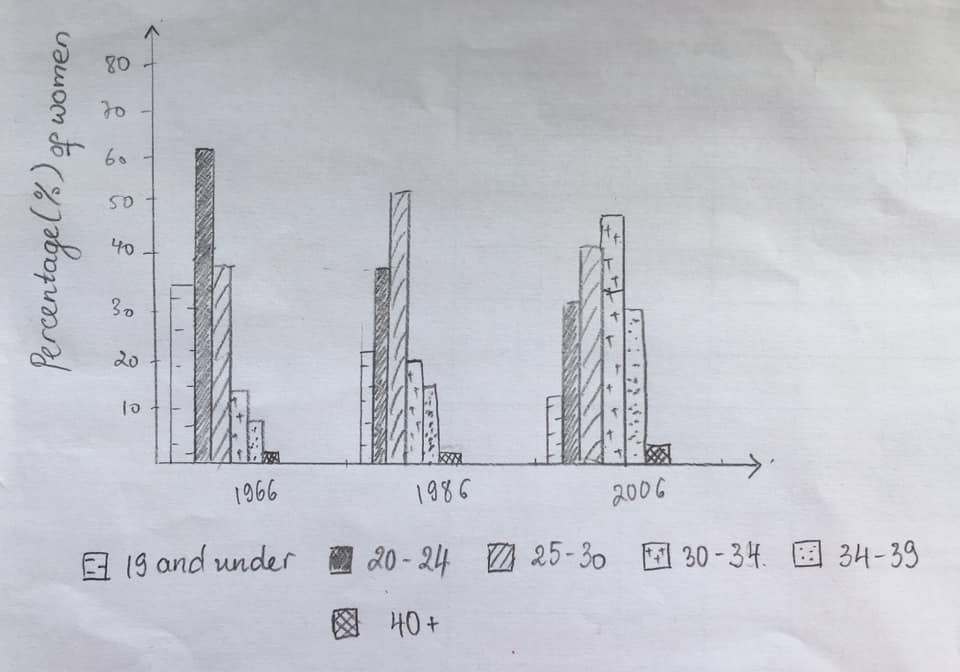
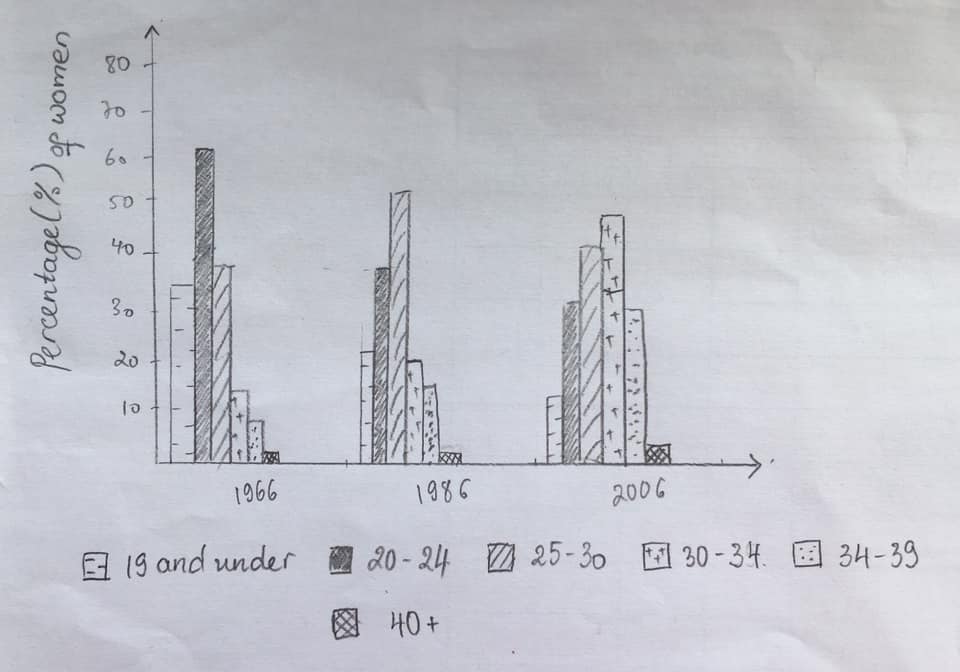
This graph was drawn by a student and posted on Facebook – but it accurately reflects the real question from the test.
The most important detail is that this graph shows change over time and that impacts both your general overview and the vocabulary that you will use in your sample answer.
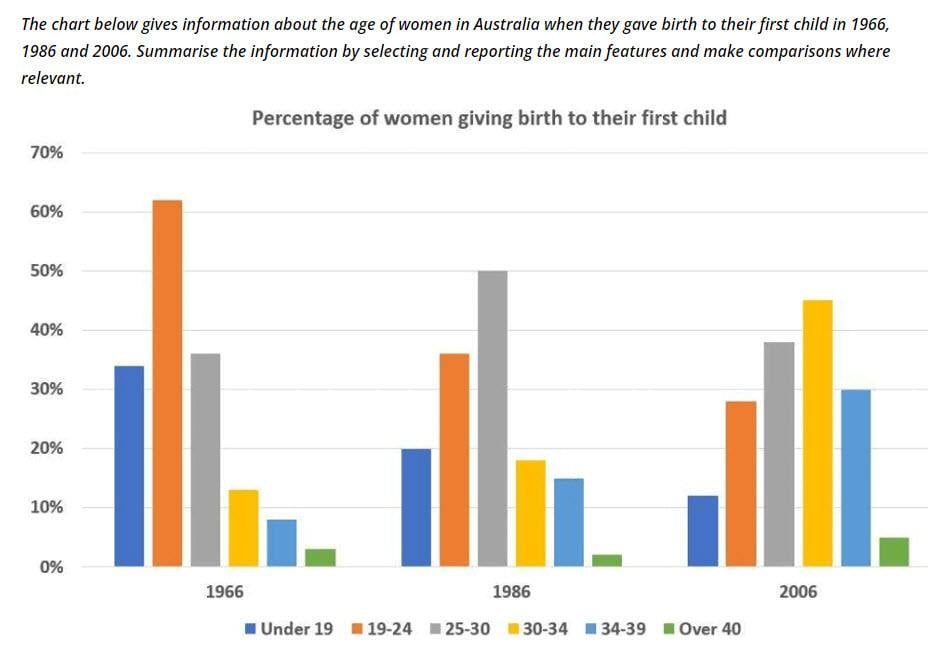
The chart below gives information about the age of women in Australia when they gave birth to their first child in 1966, 1986 and 2006.
Thanks for reporting it from the real test!
The given graph presents data comparing the ages when women in Australia gave birth in the years 1966, 1986, and 2006. Overall, birth rates for younger women fell while the number of women having children later in life increased greatly. Women aged 30-34 became the largest group and those with the fewest children were under 19 and over 40.
Looking first of all at younger women, both those under 19 and between 20 and 24 declined over the period. The first group started at around 33% in 1966 before falling to just over 20% in 1986 and ending at nearly 15% in 2006. The 20 to 24 group similarly halved from over 60% in 1966 (leading all ages then) to under 40% in 1986 and finishing at just above 30%.
Mothers aged 25 – 30 were the second highest demographic in 1966 (37%) before fluctuating to over 50% and back down to 42% by 2006. Women in the 30-34 age bracket increased more steadily from 12% to 19% and then surged to become the leader at 47%. 34 – 39 year olds generally mirrored this climb rising from 7% to 12% to 29%. In last position throughout was women aged 40+ who increased in proportion steadily but still made up less than 5% of total mothers.
Analysis
1. The given graph presents data comparing the ages when women in Australia gave birth in the years 1966, 1986, and 2006. 2. Overall, birth rates for younger women fell while the number of women having children later in life increased greatly. 3. Women aged 30-34 became the largest group and those with the fewest children were under 19 and over 40.
Your first sentence should simply paraphrase what the graph shows. This sentence is unimportant so write it fast!
This is the most important sentence you will write on all of IELTS. For this kind of graph, include the trend (up/down/stay the same) for all areas and some ranking/speed. Read more about overviews here.
1. Looking first of all at younger women, both those under 19 and between 20 and 24 declined over the period. 2. The first group started at around 33% in 1966 before falling to just over 20% in 1986 and ending at nearly 15% in 2006. 3. The 20 to 24 group similarly halved from over 60% in 1966 (leading all ages then) to under 40% in 1986 and finishing at just above 30%.
For this sentence I start to compare younger women. Make sure you have clear paragraphs and compare as much as possible!
The next sentence focuses on the specific data – include ALL the data!
Try to vary up your grammar and vocabulary as much as possible without sounding unnatural.
1. Mothers aged 25 – 30 were the second highest demographic in 1966 (37%) before fluctuating to over 50% and back down to 42% by 2006. 2. Women in the 30-34 age bracket increased more steadily from 12% to 19% and then surged to become the leader at 47%. 3. 34 – 39 year olds generally mirrored this climb rising from 7% to 12% to 29%. 4. In last position throughout was women aged 40+ who increased in proportion steadily but still made up less than 5% of total mothers.
Now compare the other parts of the chart/graph. For this one I now focus on older women.
Keep including all the data, varying your vocabulary and grammar.
You don’t have to include the years each time or it will be too repetitive.
Make sure that you don’t miss out on any of the categories even if they are minor!
Vocabulary
Try to figure out what the words in bold mean based on the sentences:
The given graph presents data comparing the ages when women in Australia gave birth in the years 1966, 1986, and 2006. Overall, birth rates for younger women fell while the number of women having children later in life increased greatly. Women aged 30-34 became the largest group and those with the fewest children were under 19 and over 40.
Looking first of all at younger women, both those under 19 and between 20 and 24 declined over the period. The first group started at around 33% in 1966 before falling to just over 20% in 1986 and ending at nearly 15% in 2006. The 20 to 24 group similarly halved from over 60% in 1966 (leading all ages then) to under 40% in 1986 and finishing at just above 30%.
Mothers aged 25 – 30 were the second highest demographic in 1966 (37%) before fluctuating to over 50% and back down to 42% by 2006. Women in the 30-34 age bracket increased more steadily from 12% to 19% and then surged to become the leader at 47%. 34 – 39 year olds generally mirrored this climb rising from 7% to 12% to 29%. In last position throughout was women aged 40+ who increased in proportion steadily but still made up less than 5% of total mothers.
The given graph ____________ data comparing the ages when women in Australia gave birth in the years 1966, 1986, and 2006. Overall, ____________ for younger women fell while the number of women having children ____________ increased ____________. Women aged 30-34 became the largest group and those with the fewest children were under 19 and over 40.
________________________ younger women, both those under 19 and between 20 and 24 ____________ over the period. The first group started at around 33% in 1966 before falling to ____________ 20% in 1986 and ____________ at ____________ 15% in 2006. The 20 to 24 group ____________ from over 60% in 1966 (leading all ages then) to under 40% in 1986 and ____________ at just above 30%.
Mothers aged 25 – 30 were the second highest ____________ in 1966 (37%) before ____________ to over 50% and back down to 42% by 2006. Women in the 30-34 age ____________ increased more steadily from 12% to 19% and then ____________ to become the leader at 47%. 34 – 39 year olds ____________ this climb rising from 7% to 12% to 29%. In ____________ throughout was women aged 40+ who increased in ____________ steadily but still ____________ less than 5% of total mothers.
These are the most recent/latest IELTS Writing Task 1 Task topics and questions starting in 2019, 2020, 2021, 2022, 2023, 2024, 2025, and continuing into 2026.
If you have already passed IELTS and are working on your college or university application essay, check out my post here.
You can find all the most recent IELTS writing task 2s here and the general training questions here.
If you are able, please consider supporting my efforts (and receiving exclusive IELTS Ebooks!) by signing up for my Patreon here.
Enjoy and comment any questions/writing that you have!
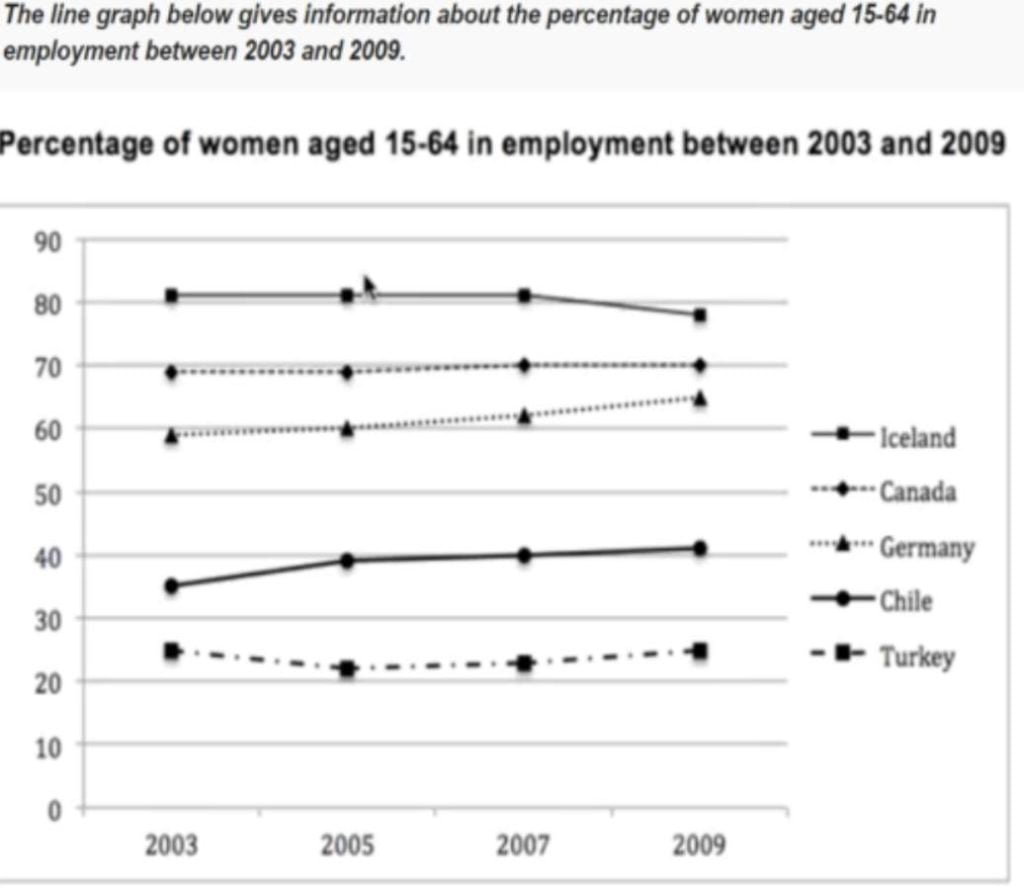
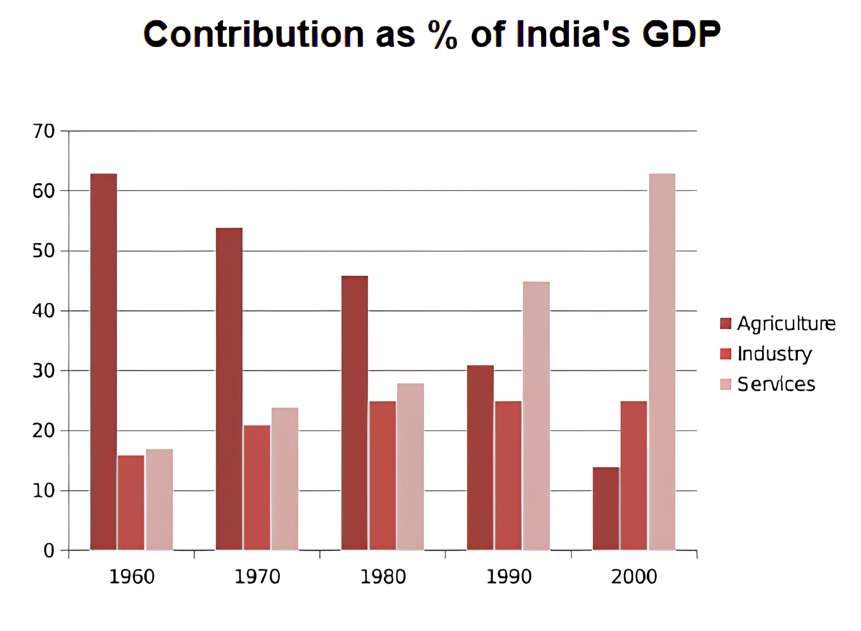
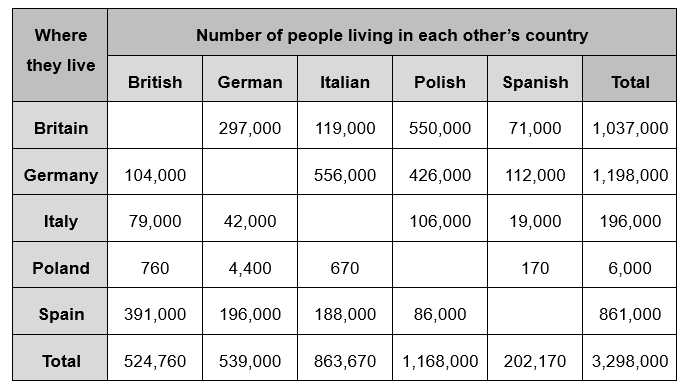
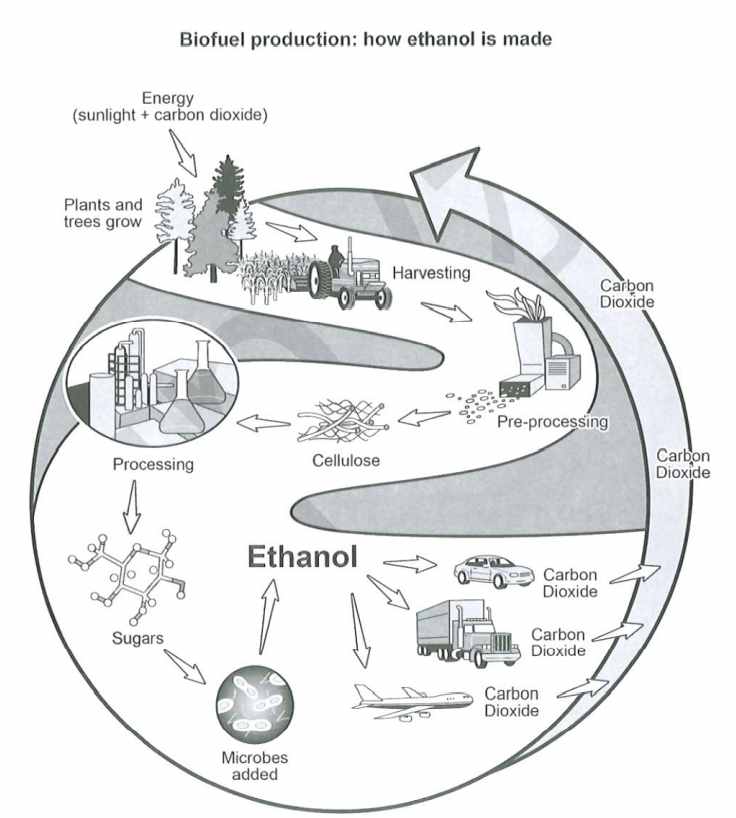
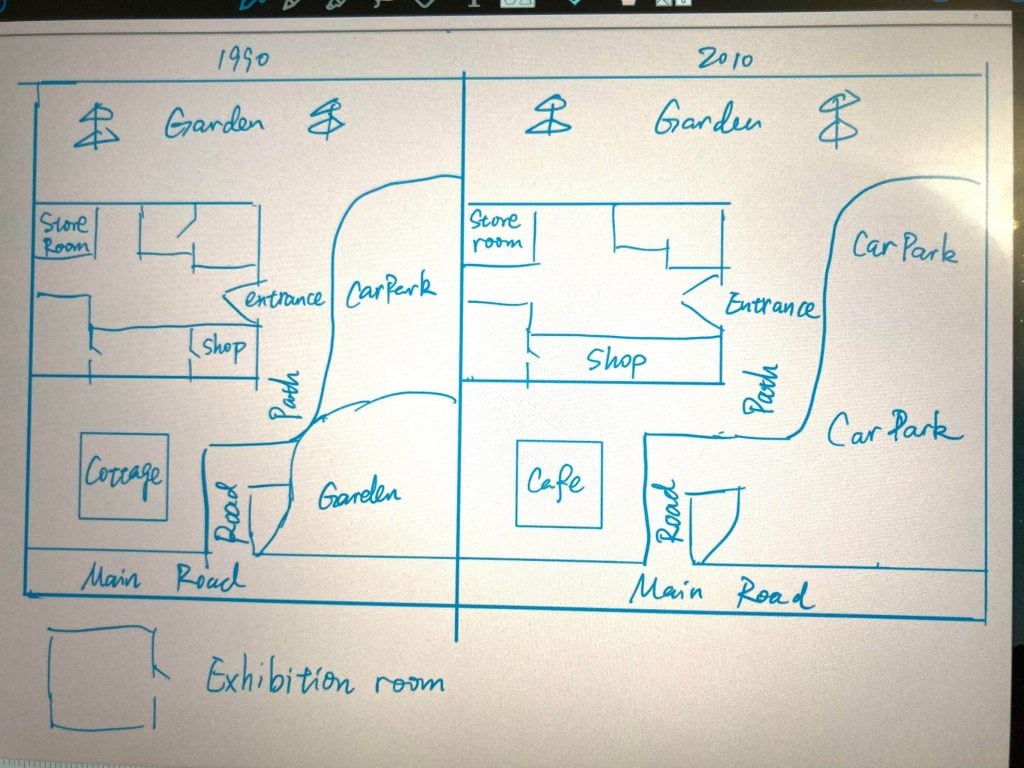
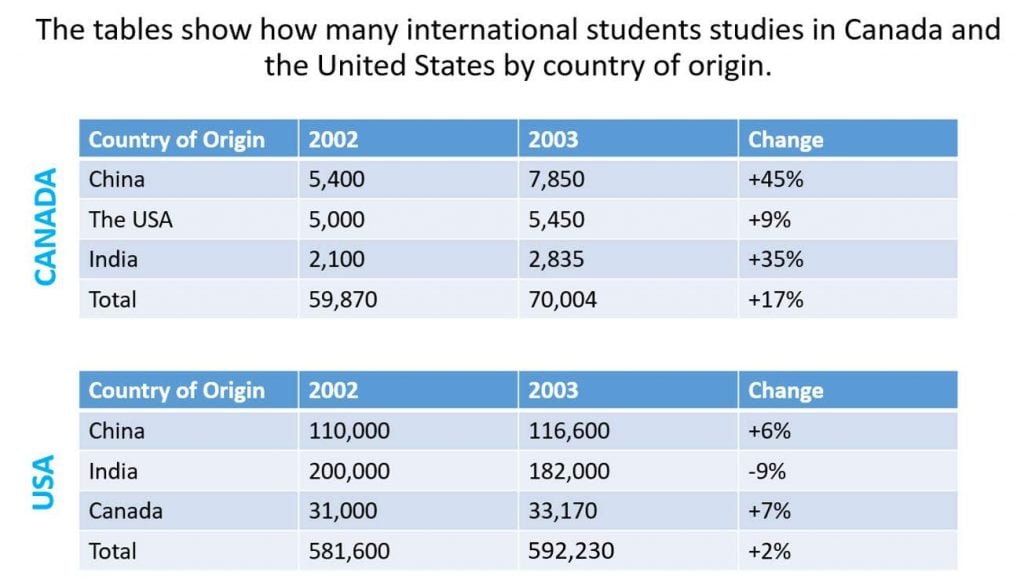
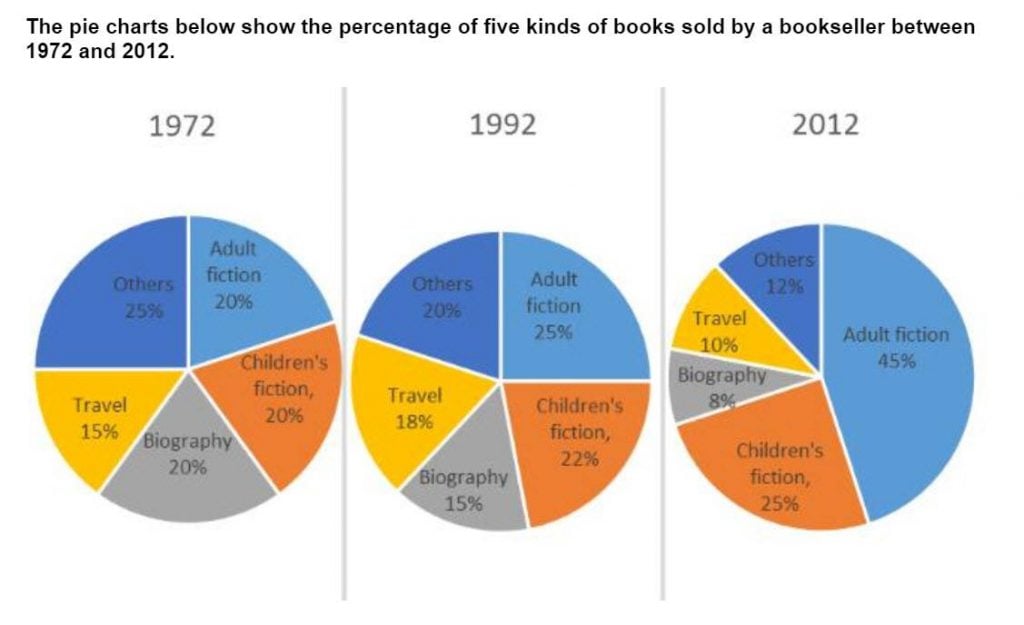
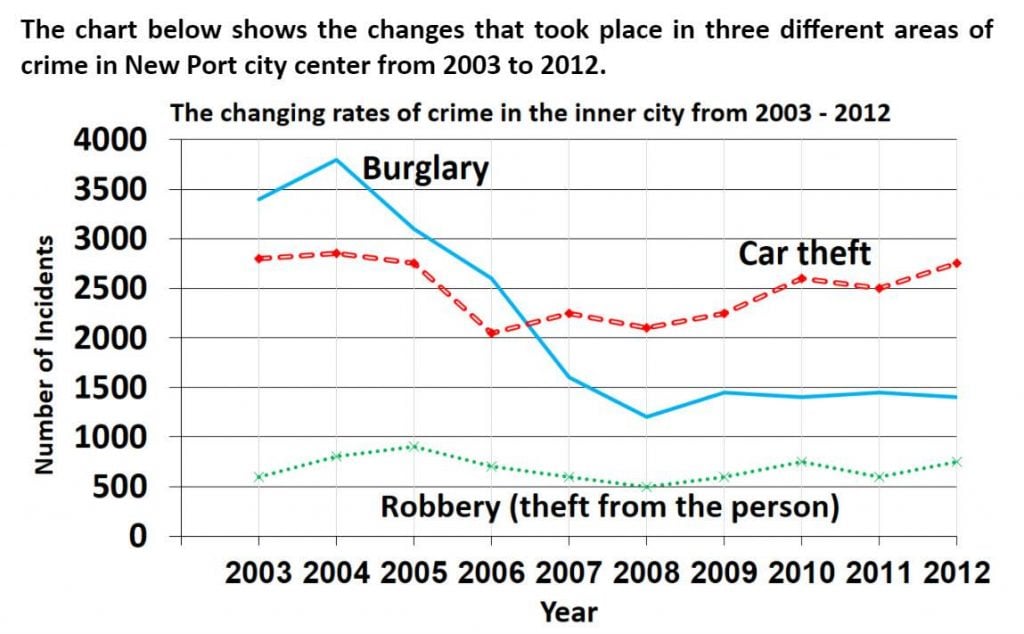
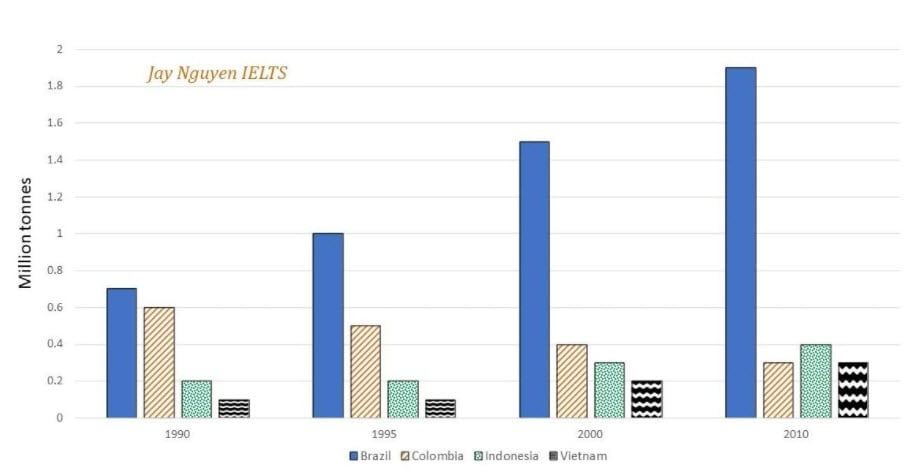
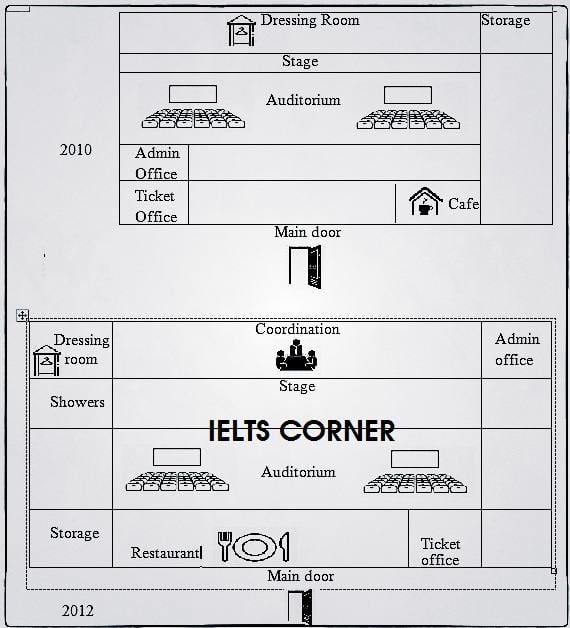
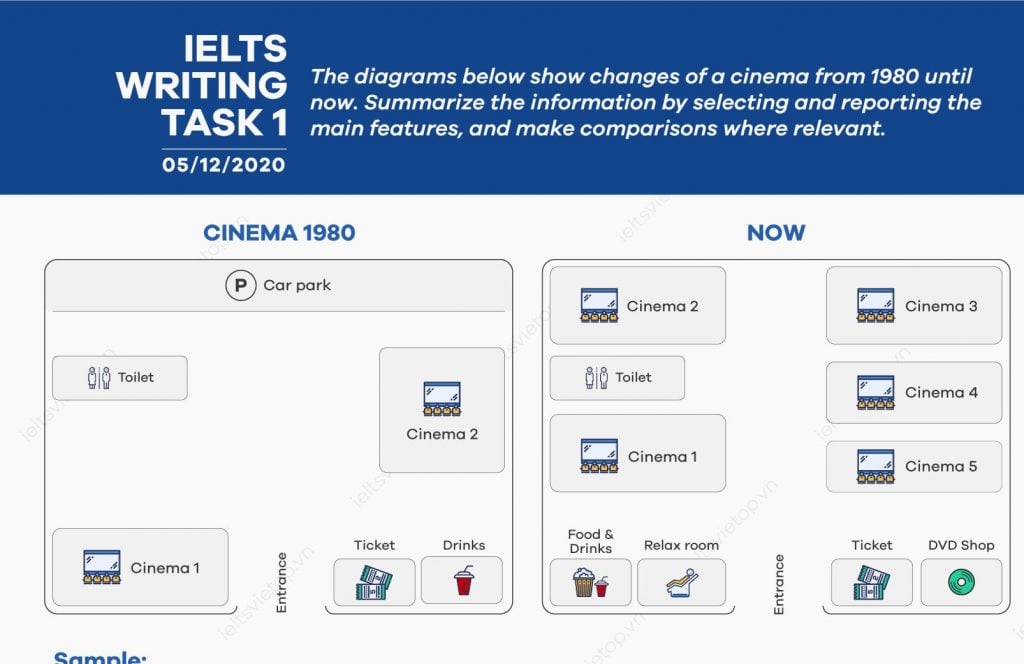
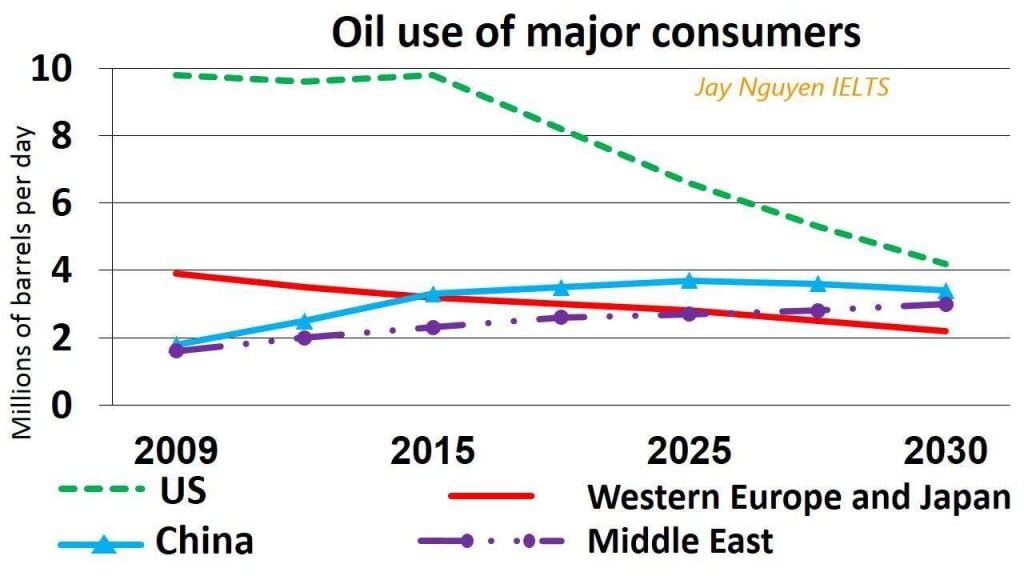
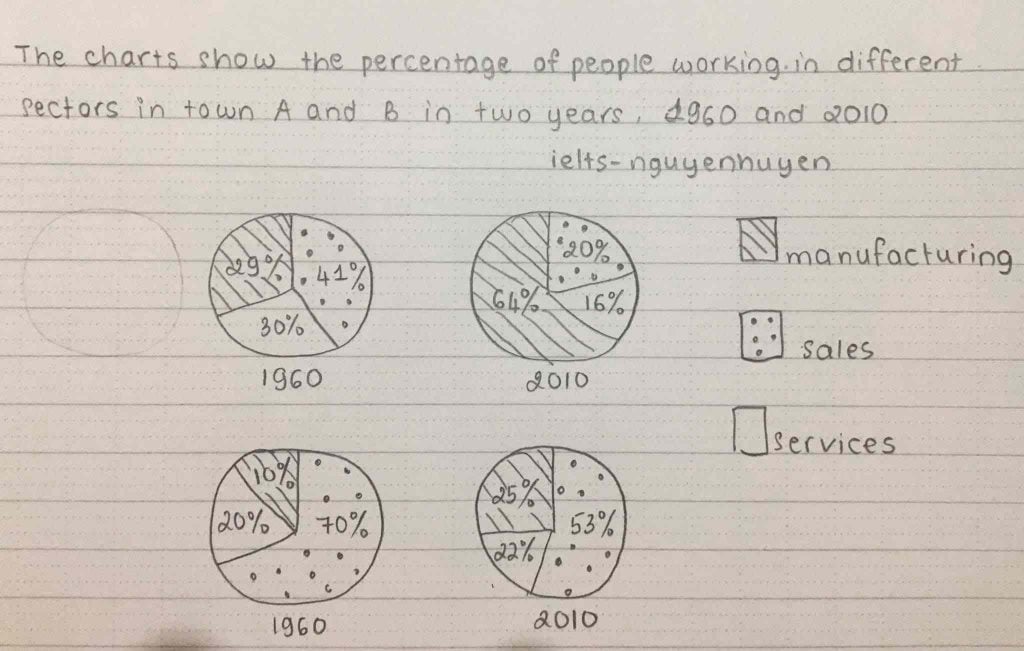
The plans below show a theatre in 2010 and 2012. Summarise the information by selecting and reporting the main features and making comparisons where relevant.Sample answer coming soon (I hope!) – write yours below for feedback!Sample answer coming soon! Post your own below for feedback from me!
The diagrams below illustrate early tools from 1.4 million years ago and 800,000 years ago. Summarise the information by selecting and reporting the main features and making comparisons where relevant. Reported on IELTS December 7th
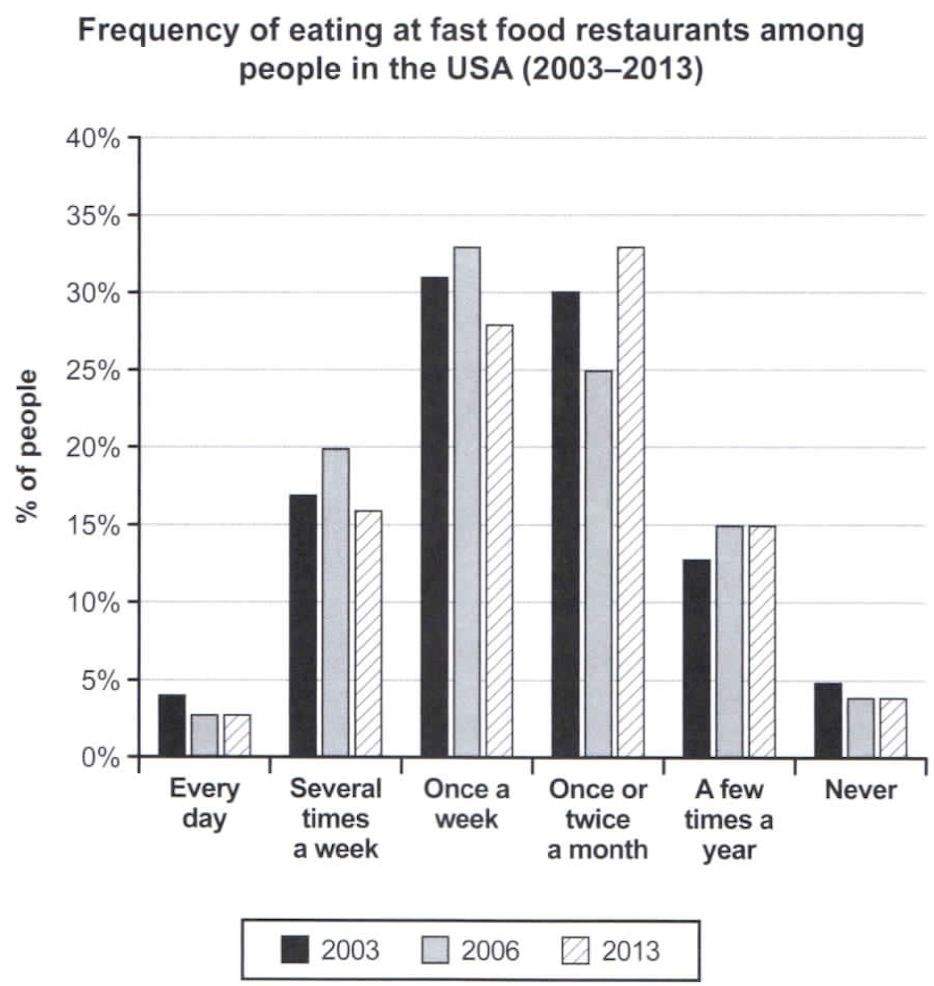
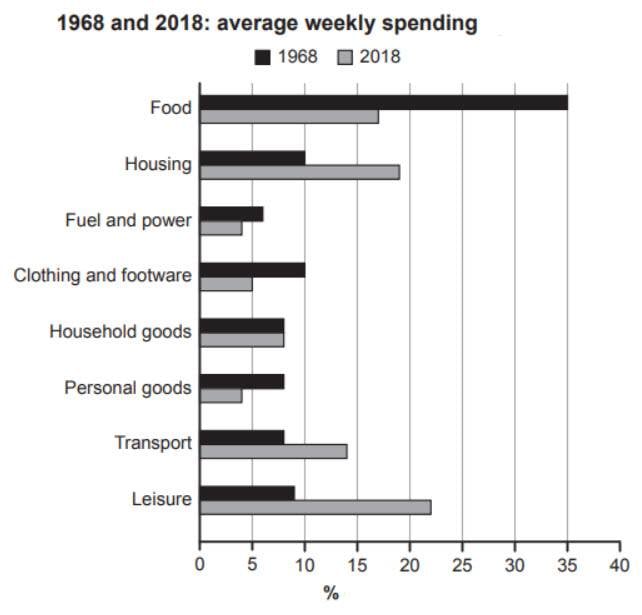
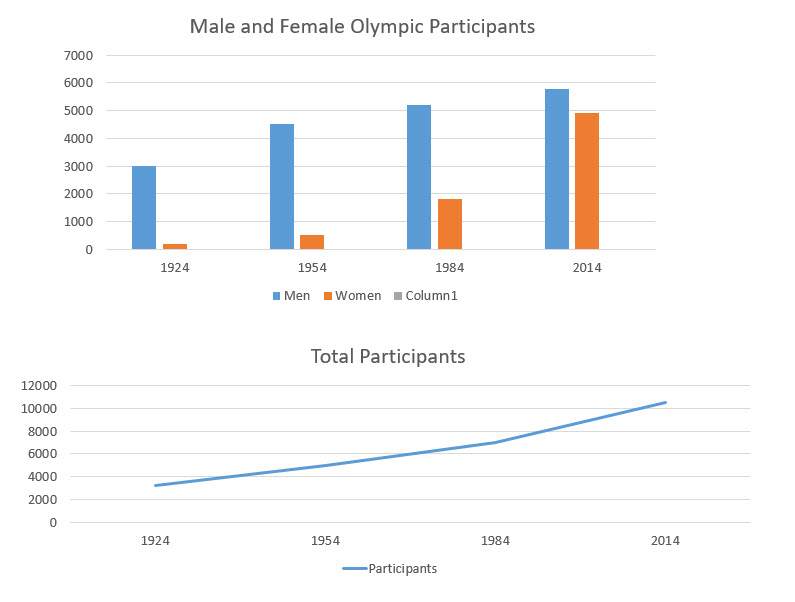
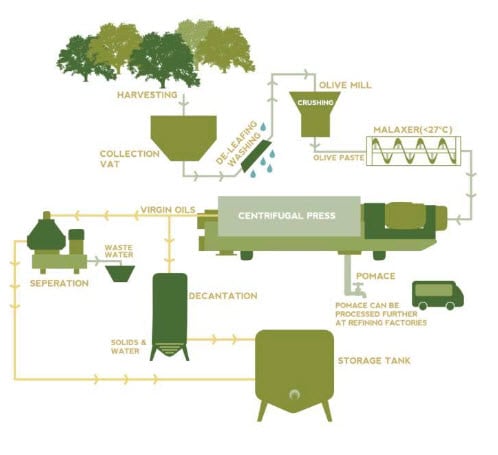
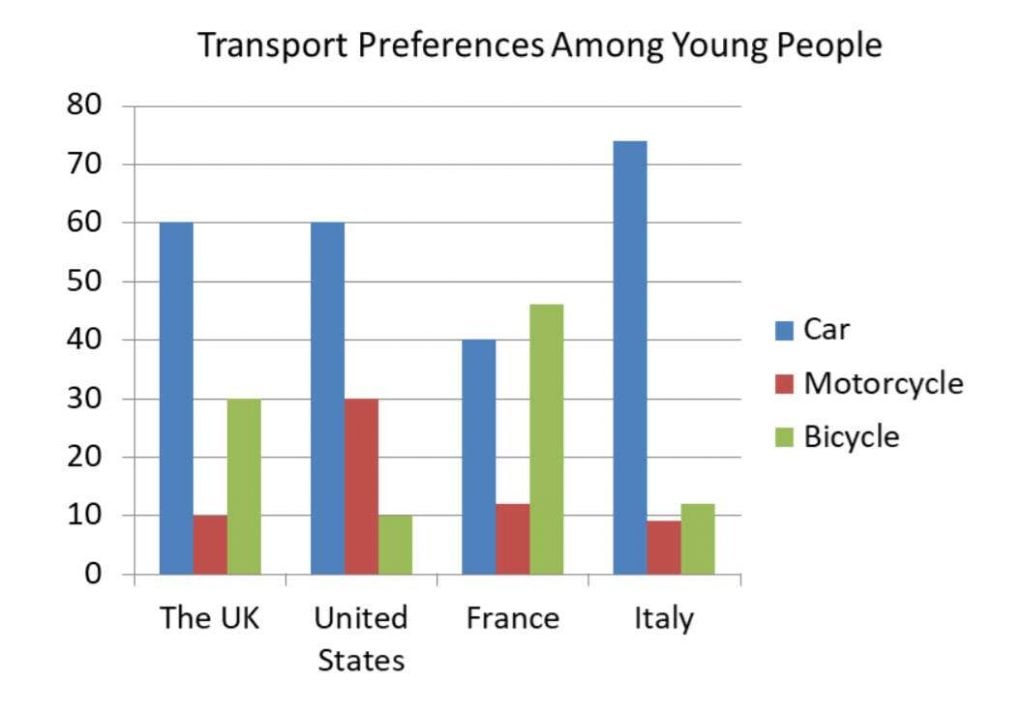
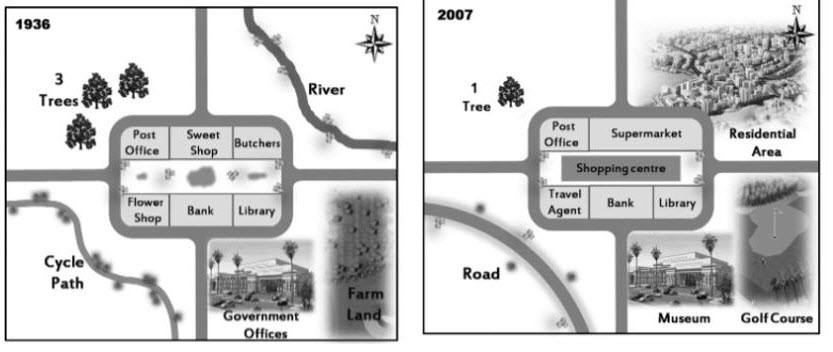
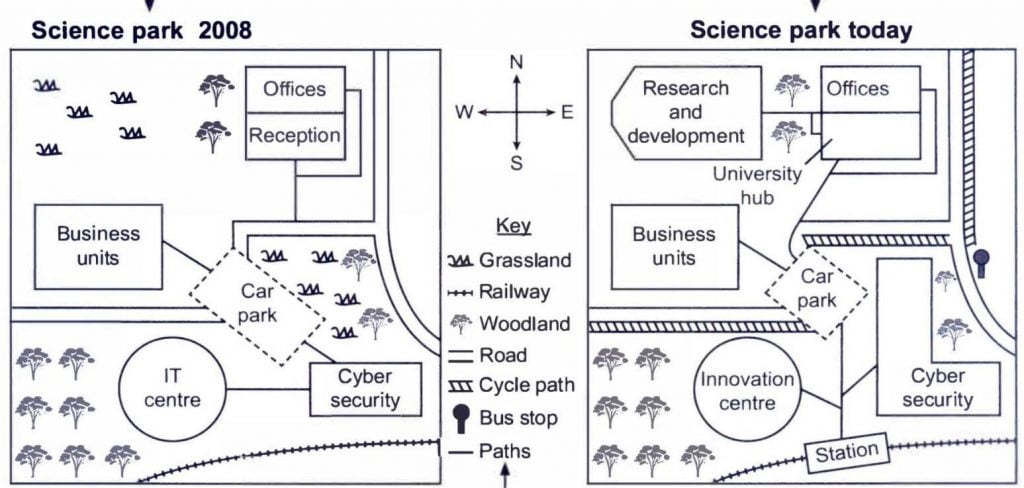
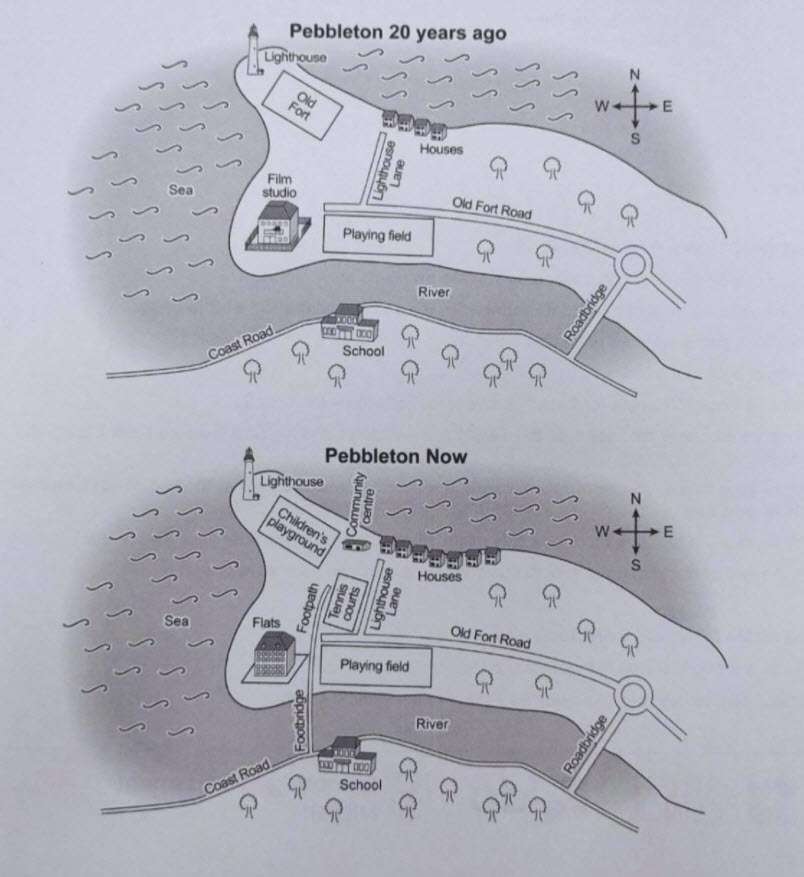
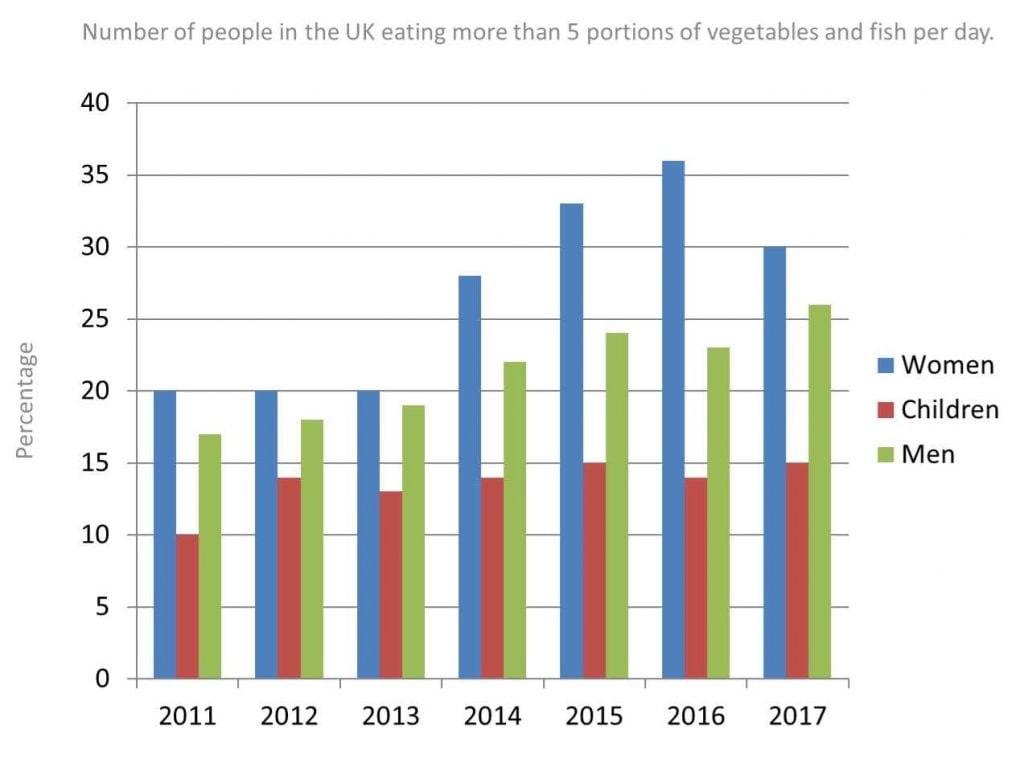
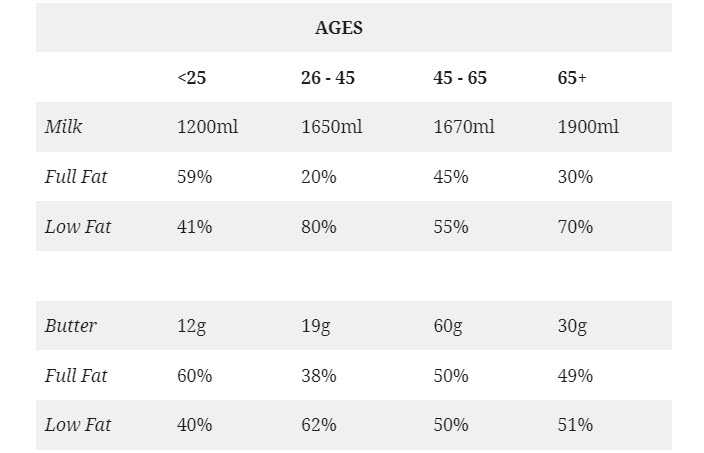
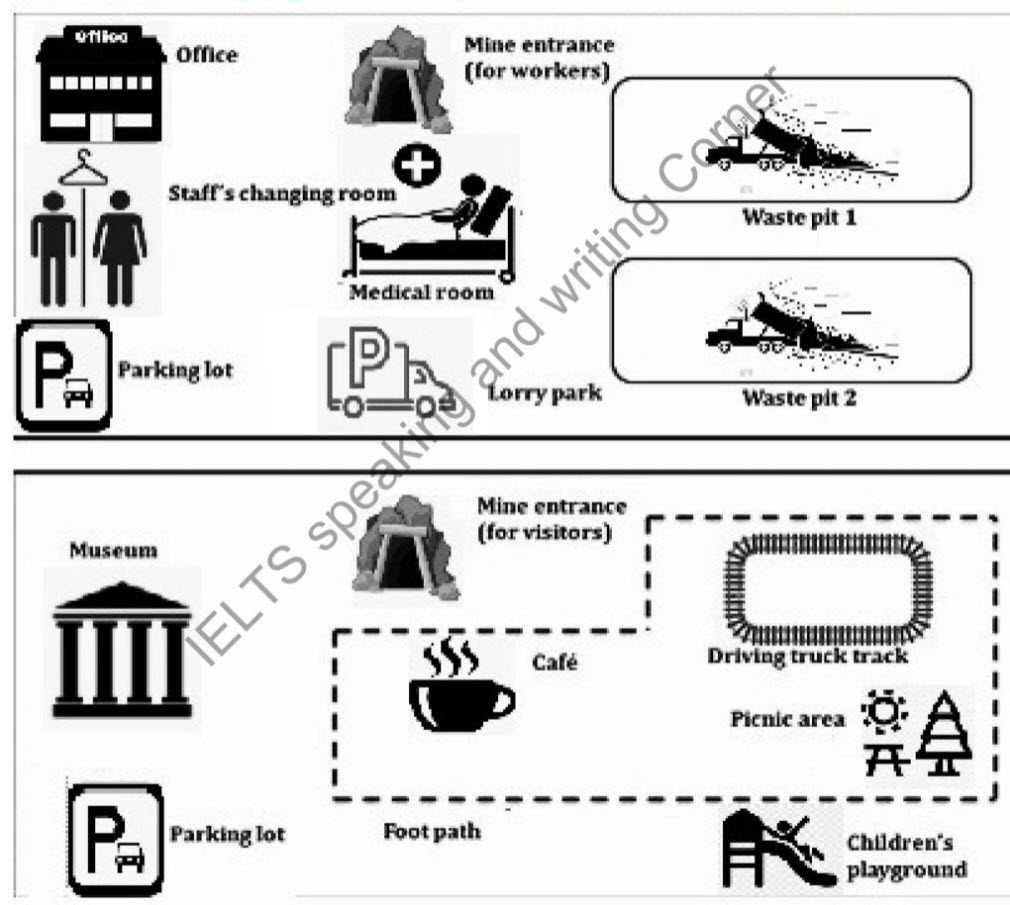
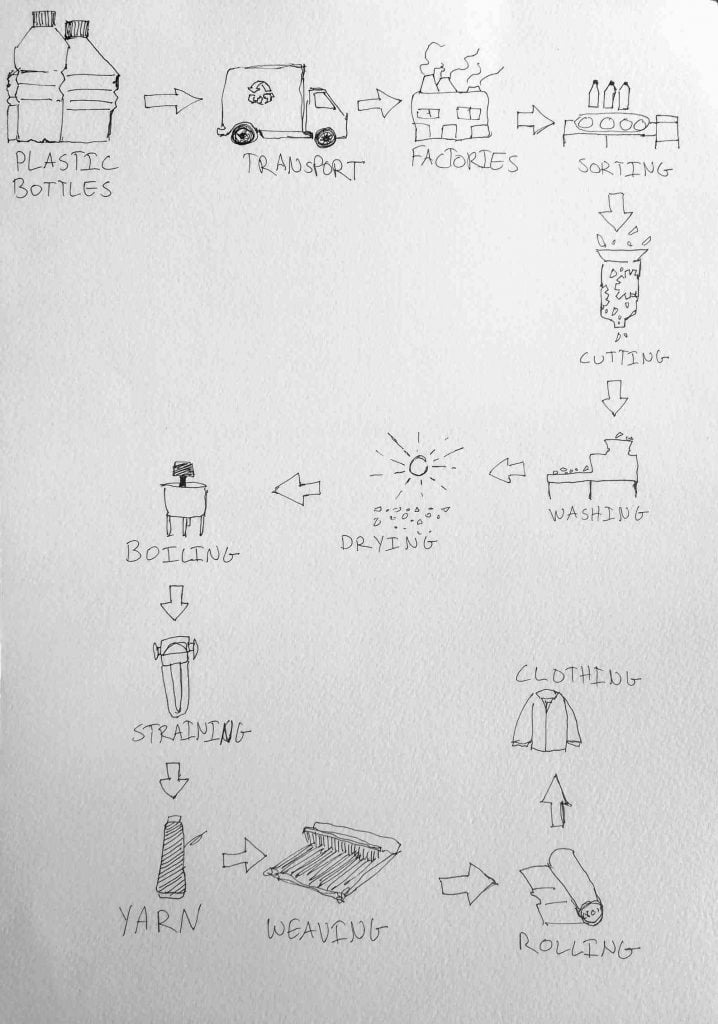
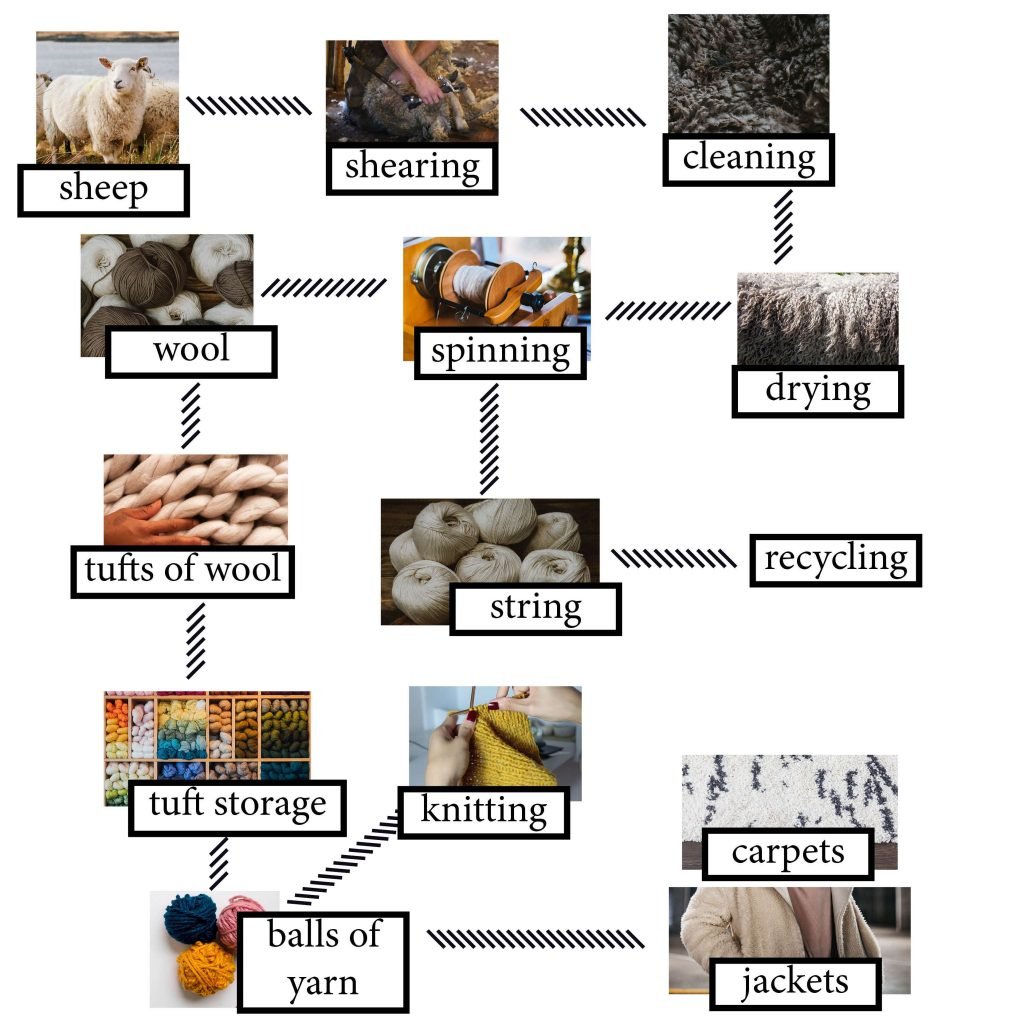
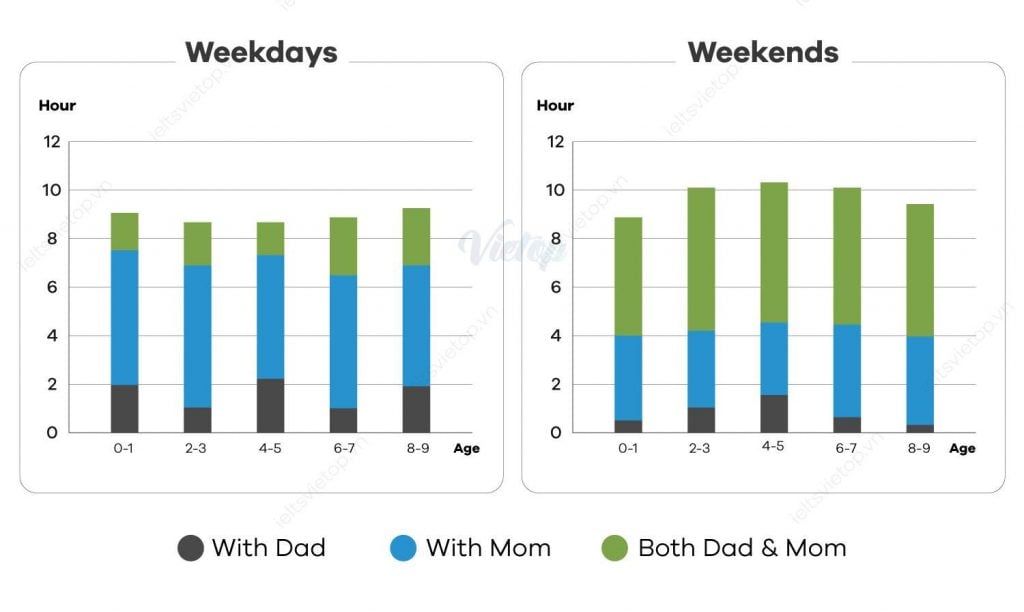
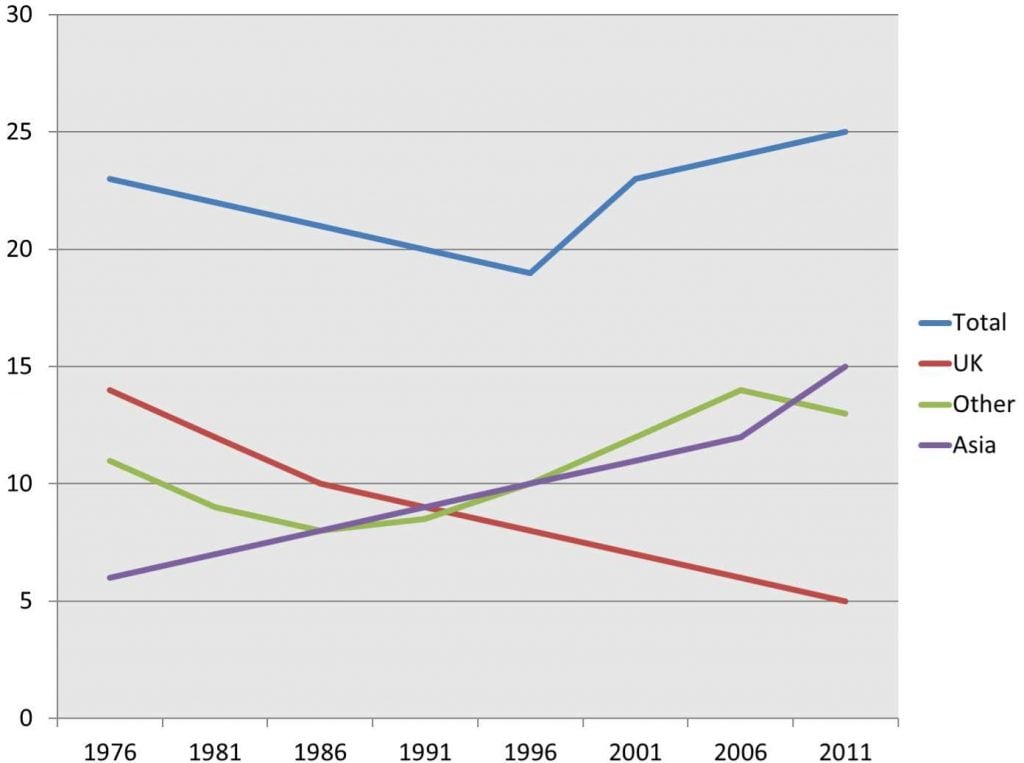
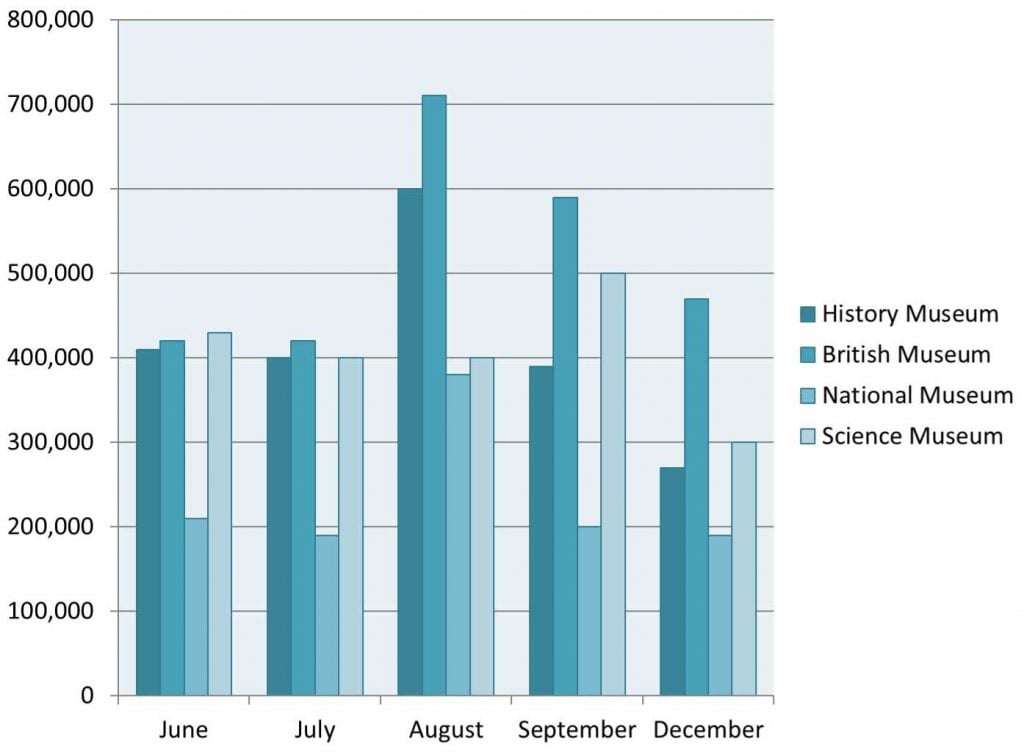
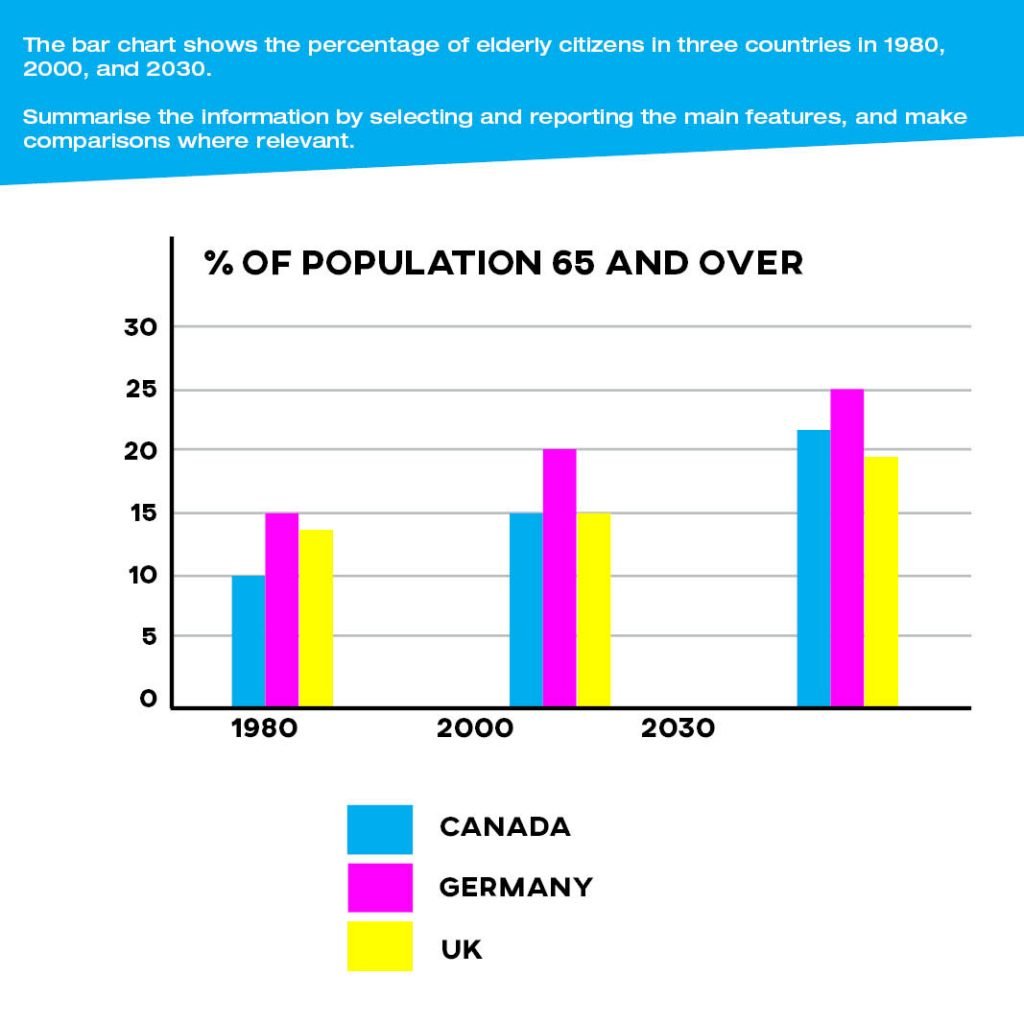
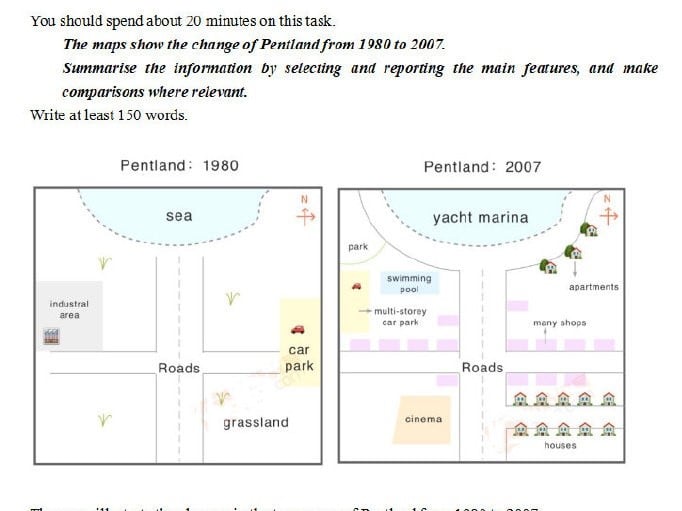
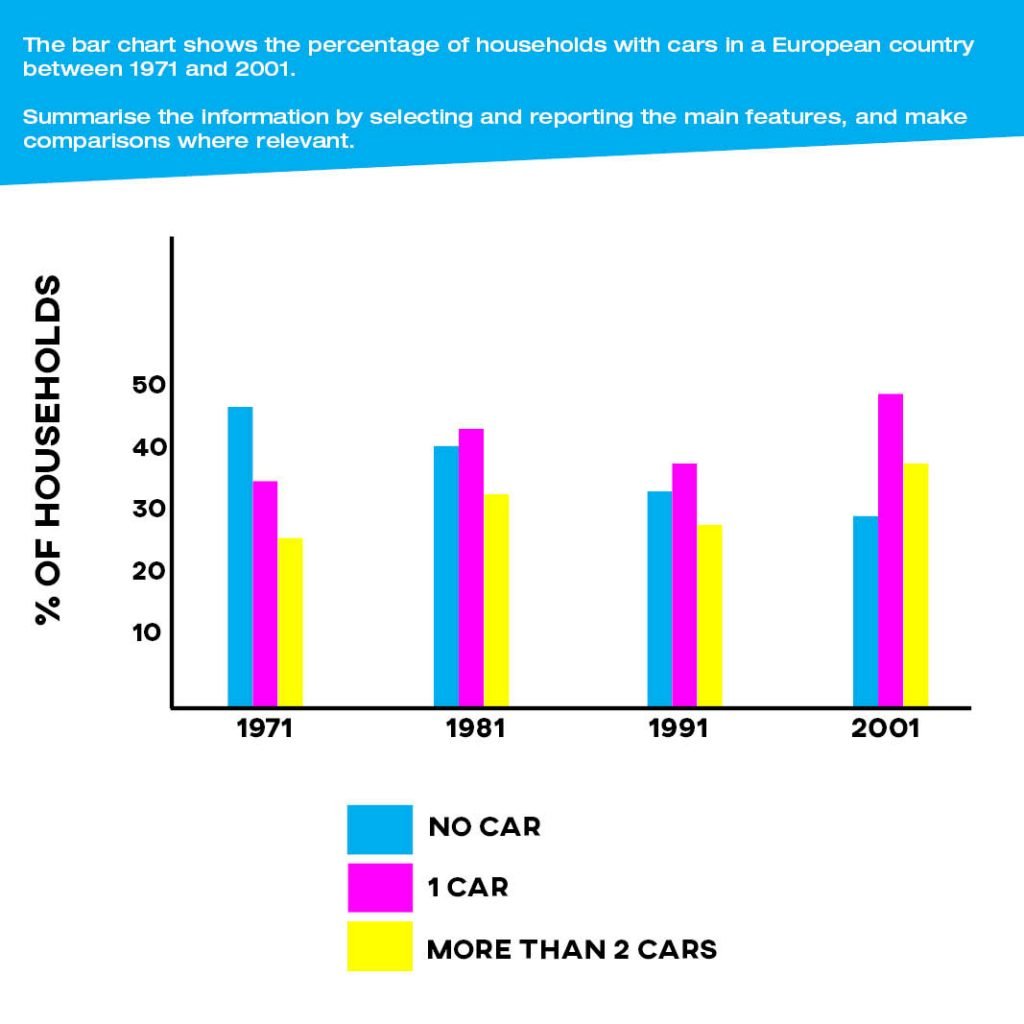
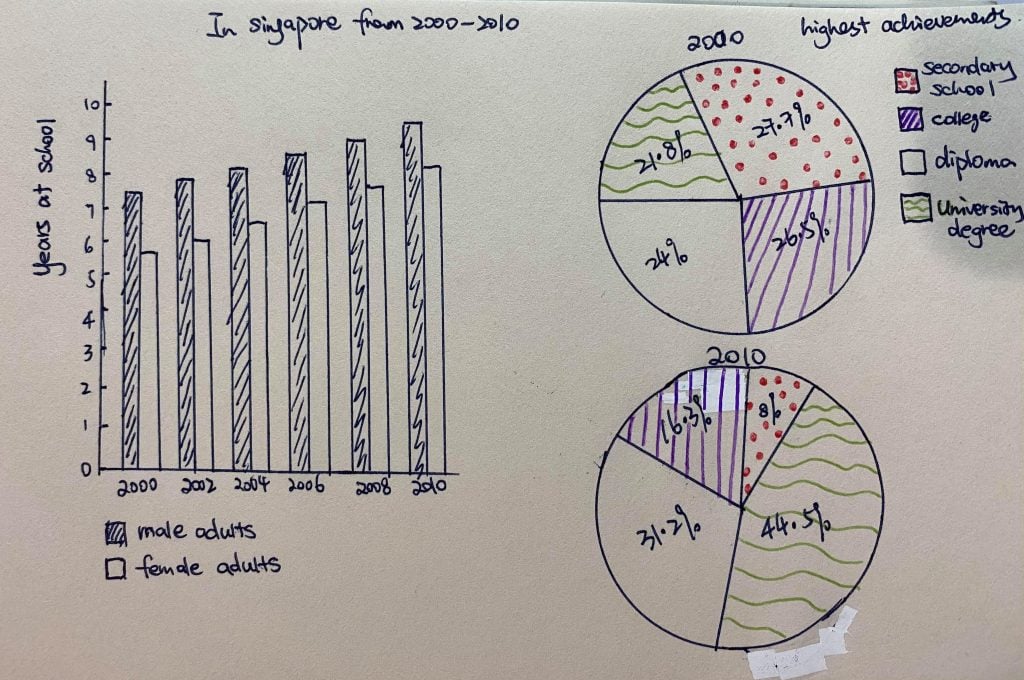
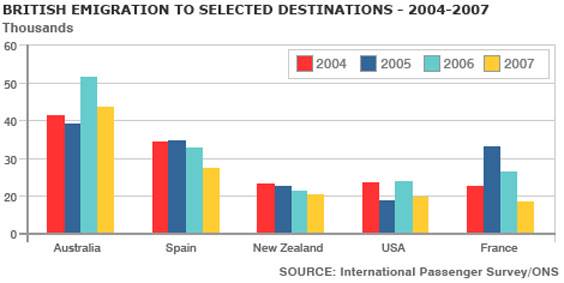
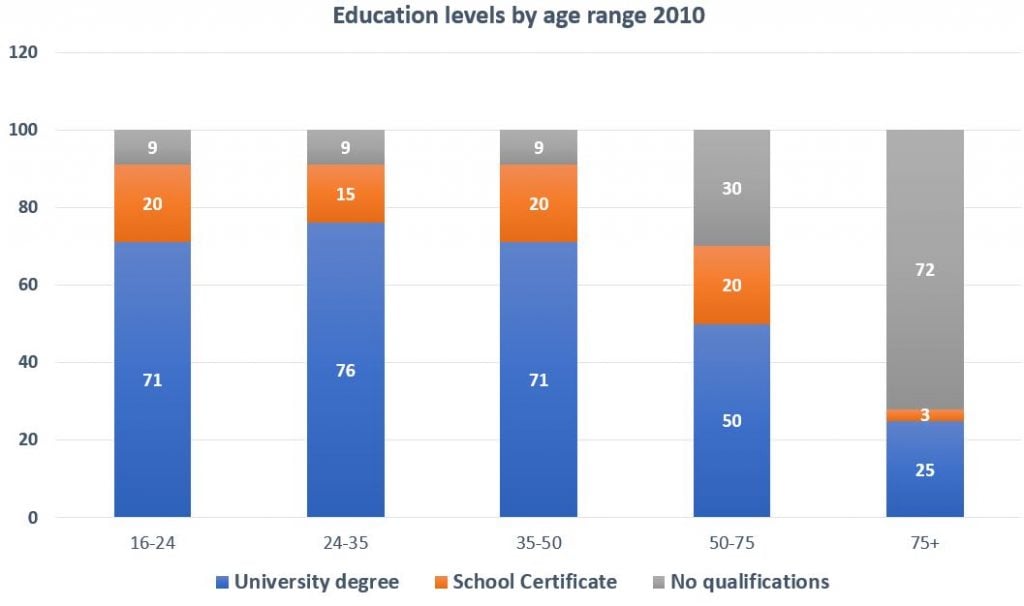
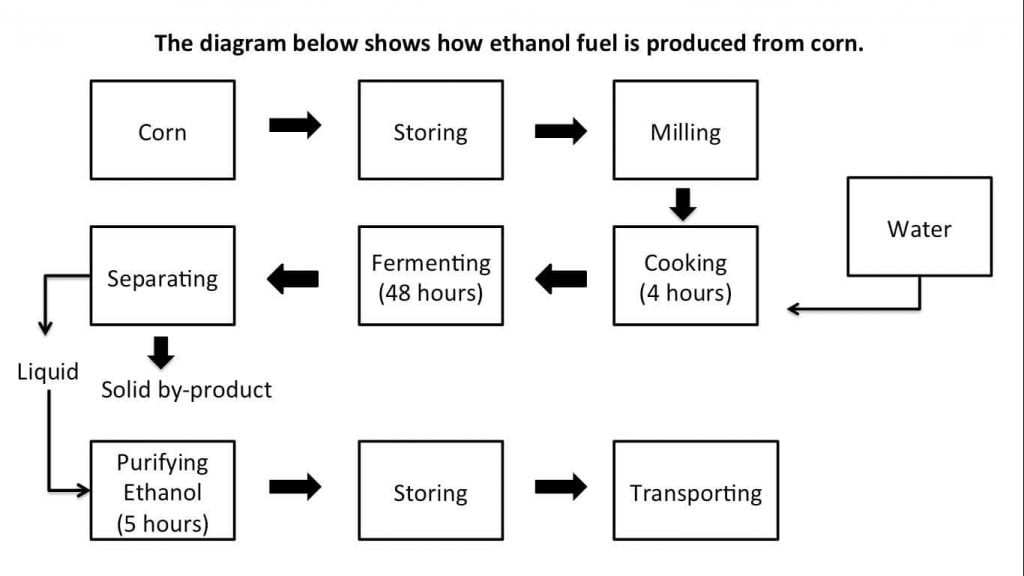
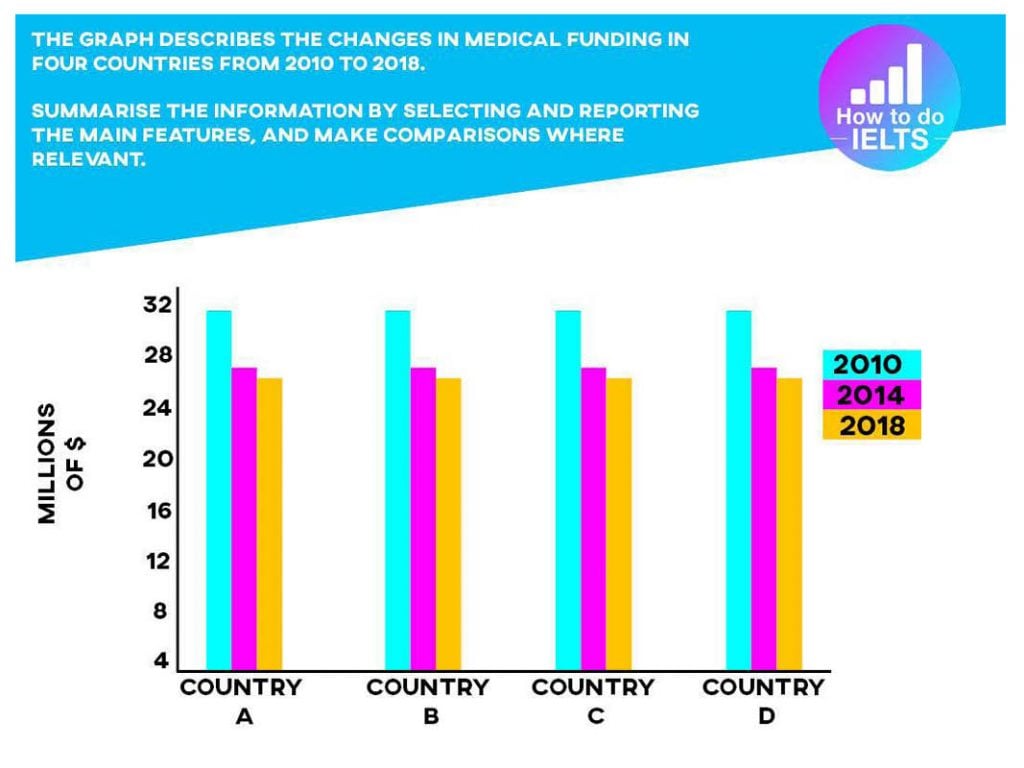
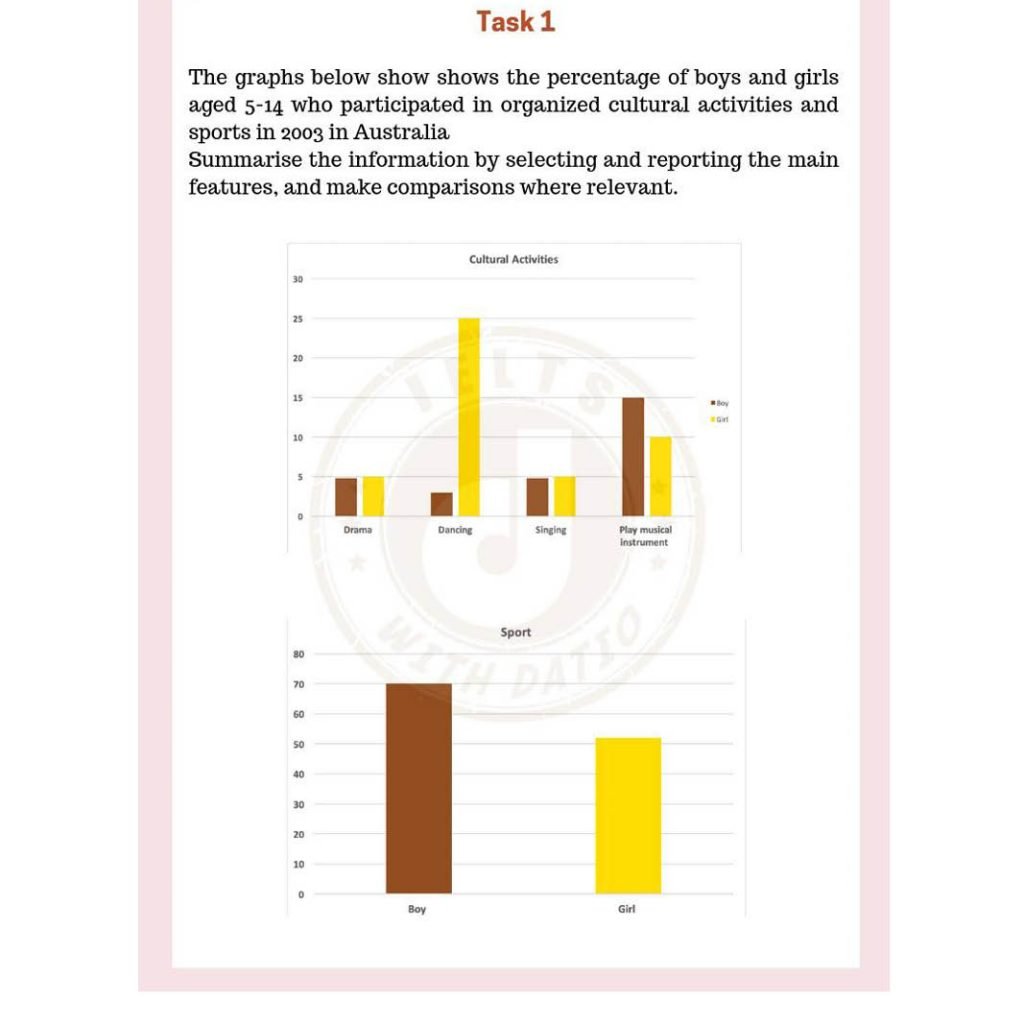
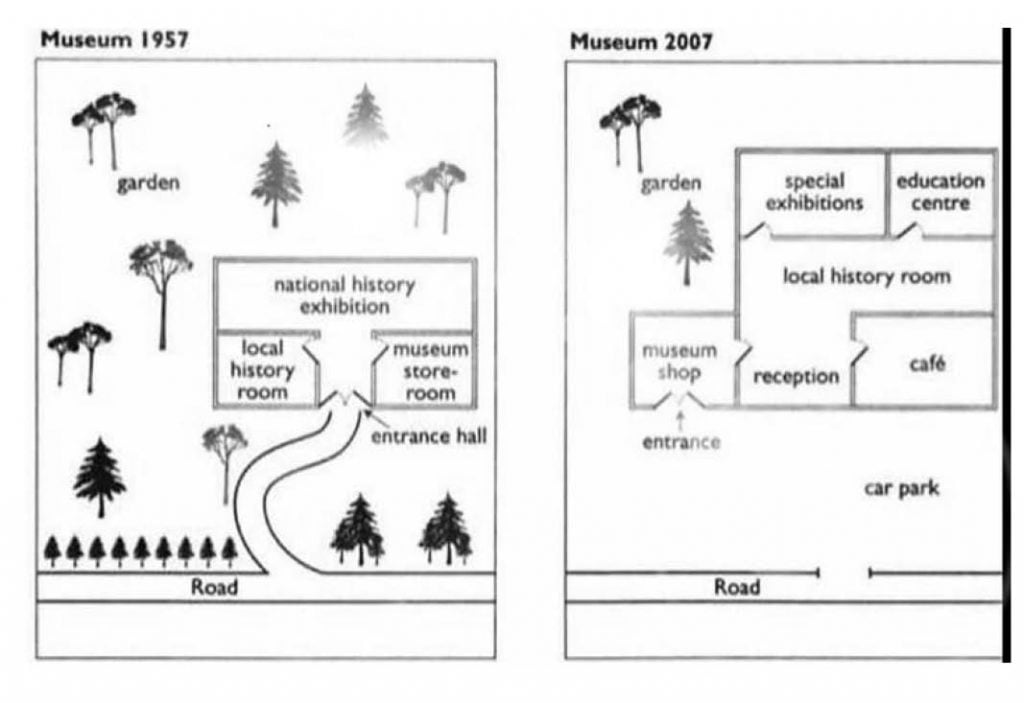
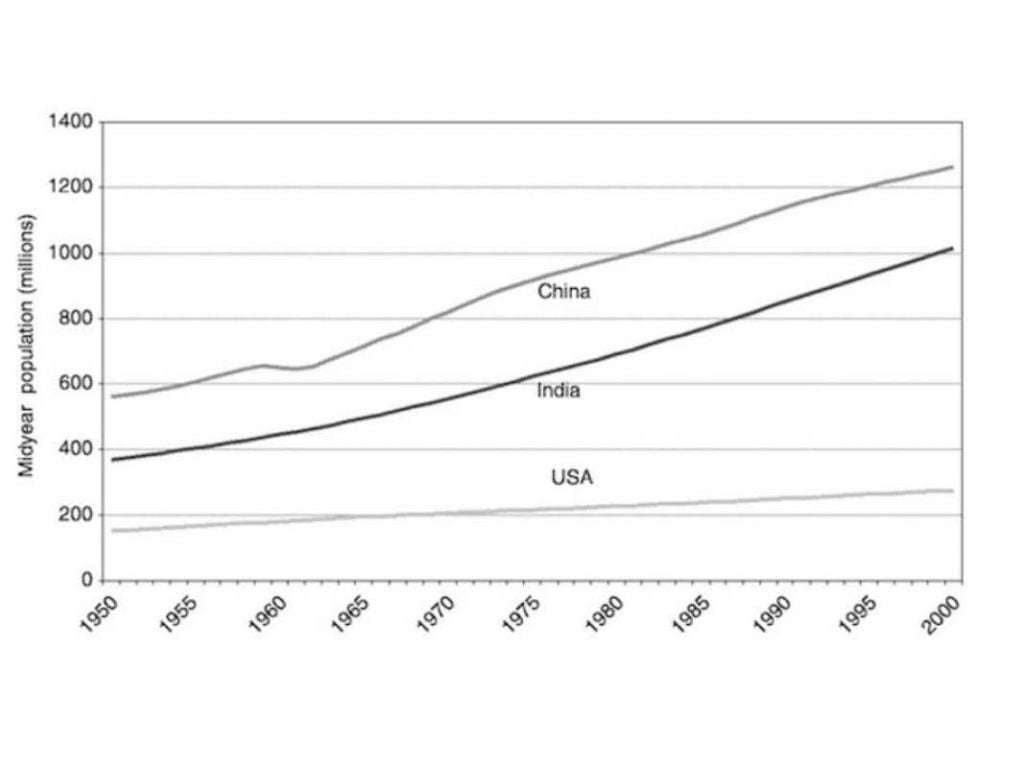
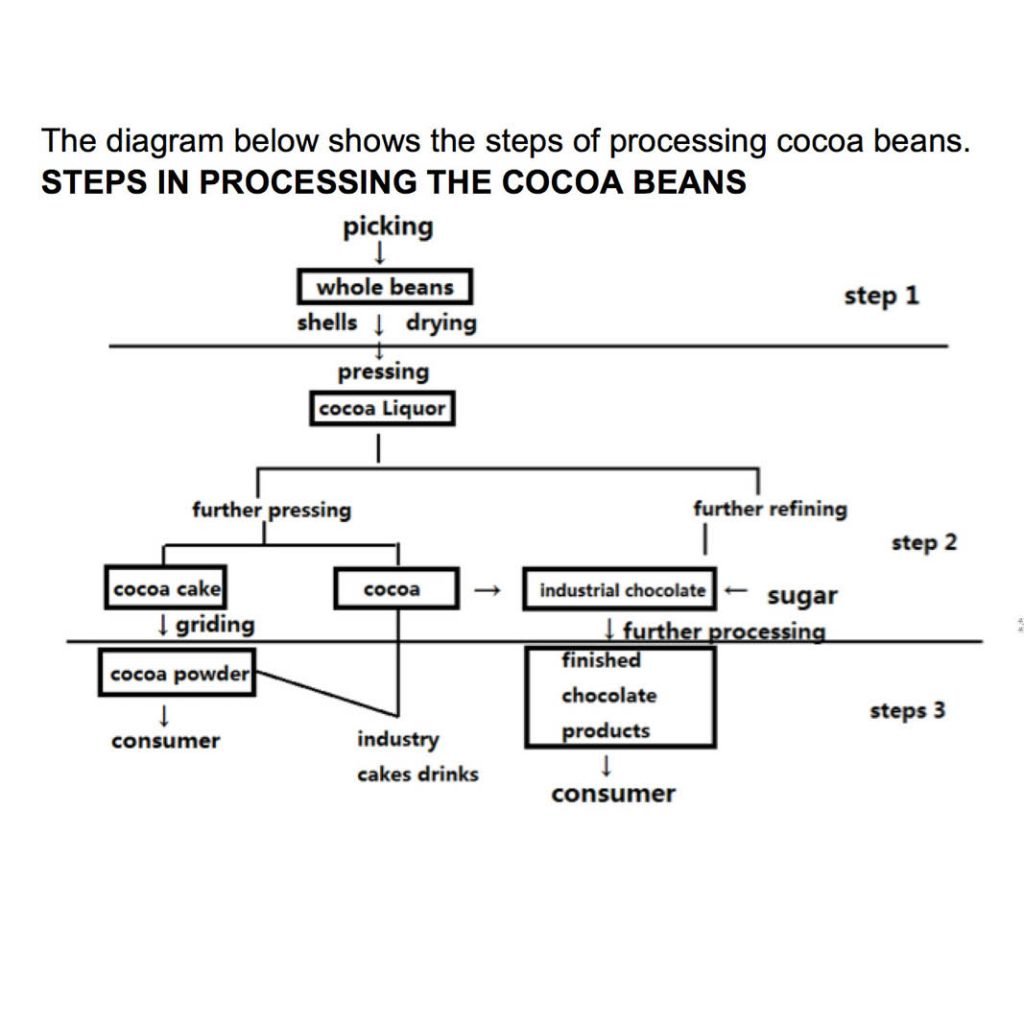
IELTS Exam Writing Task 1 Exam posted in IELTS Ngoc Bach by Nguyễn Huyền January 29th Read my sample answer for these charts here.IELTS Exam Writing Task 1 Process (Reported January 22nd to IELTS Ngoc Bach) IELTS Writing Task 1 Bar Chart (Reported January 17th on Facebook) Read my sample answer for this bar chart question here.Reported by students January 2020 Reported December 2019 by Vietop on Facebook
Reported December 2019 from IELTS with Datio
Reported November 2019 from ielts-exam.net
Reported November 2019Reported October 2019Reported August 2019Reported June 2019 from the IELTS Speaking and Writing Corner on Facebook
Reported December 2019
I want to make some simple suggestions for how you can use these recent graphs to practice.
To be honest, students get too obsessed with the most recent questions.
You can practice with a question from years ago and a question from yesterday – it makes absolutely no difference.
What makes an actual difference is how you study.
Here is what I recommend:
Practice writing about a graph in 20 minutes, in test conditions.
This is your ability. Now, check it by underlining the vocabulary, grammar, data. Are there many grammar mistakes? Do you use the same words over and over? Do you include all the data?
Now that you know your weaknesses, you can also sign up to have them marked by me here.
Write about another one focusing on your mistakes. Don’t worry about timing. Take as long as you need to make it perfect.
Repeat this process over and over until your start to notice your writing improving.
This is an IELTS writing task 2 sample answer essay on the topic of television from the real IELTS test.
I took the question in an interesting direction by focusing on television in terms of how it is streamed online and not actually watched on a physical TV.
It is a little risky so let me know what you think of it in the comments!
IELTS Writing Task 2 Sample Answer: Television (Real IELTS Test)
Nowadays children watch much more television than they did in the past and spend less time being active or creative.
What is the reason for this?
What measures should be taken to encourage children to be more active?
Today children spend more time watching television than at any point in the past. The reason for this is the development of online streaming websites and parents should eschew smartphones to curb this trend towards passivity.
The main reason that many children today spend an outsized amount of time watching television is that it is widely available on streaming websites. YouTube was the earliest, and now the most popular, streaming website for video content. Children are often allowed to watch it on smartphones or iPads. The more recent rise of streaming websites like Netflix and Hulu provide the same experience as television on the internet. Simply put, children spend more time watching because they have the ability to choose whatever show they want, pause it, and binge watch TV shows on a variety of portable devices with limited adult supervision.
In order to discourage children from watching television, parents should not give their children smartphones under any circumstances. This is the first step that responsible parents must undertake. Once children are no longer tempted by phones, it is much easier to get them interested in creative outlets. Parents can sign up their children for art or music lessons. They could encourage them to do art at home and instead of putting a TV in their room, fill it with books and art supplies. Children’s natural curiosity and artistic energy will naturally take over from that point and parents then need only supervise, guide and intervene when called upon.
In conclusion, parents can counterbalance the rise of streaming by banning portable devices and stocking up on art supplies. Unfortunately, it will take a concerted effort from the majority of parents to prevent children without devices from being ostracised socially.
Analysis
1. Today children spend more time watching television than at any point in the past. 2. The reason for this is the development of online streaming websites and parents should eschew smartphones to curb this trend towards passivity.
Your first sentence should simply restate the topic for the essay – write it quickly and simply.
For the second sentence, answer the two questions clearly. You will repeat this again in the conclusion.
1. The main reason that many children today spend an outsized amount of time watching television is that it is widely available on streaming websites. 2. YouTube was the earliest, and now the most popular, streaming website for video content. 3. Children are often allowed to watch it on smartphones or iPads. 4. The more recent rise of streaming websites like Netflix and Hulu provide the same experience as television on the internet. 5. Simply put, children spend more time watching because they have the ability to choose whatever show they want, pause it, and binge watch TV shows on a variety of portable devices with limited adult supervision.
Your first sentence should be a topic sentence that clearly states your main idea. Read more about topic sentences here.
In the next sentence, I begin to talk about YouTube. Start your examples quickly and make them as specific as you can.
Your third sentence should keep develop the same example. Don’t introduce a new main idea or a second example.
The fourth sentence also develops the same example with more specific detail. Be specific!
My fifth sentence also develops the same example. Develop, develop, develop!
1. In order to discourage children from watching television, parents should not give their children smartphones under any circumstances. 2. This is the first step that responsible parents must undertake. 3. Once children are no longer tempted by phones, it is much easier to get them interested in creative outlets. 4. Parents can sign up their children for art or music lessons. 5. They could encourage them to do art at home and instead of putting a TV in their room, fill it with books and art supplies. 6. Children’s natural curiosity and artistic energy will naturally take over from that point and parents then need only supervise, guide and intervene when called upon.
Just like the last paragraph, this first sentence is a topic sentence with the main idea for this paragraph. In this essay the first paragraph describes the reason and the second one describes my solution.
My second sentence here explains my main idea. You don’t always need this sentence.
Your third sentence should give specific support through an example or hypothetical situation.
The fourth sentence should continue developing…
The fifth sentence does the same – don’t go off topic – stick the same main idea!
Conclude your paragraph with more support.
1. In conclusion, parents can counterbalance the rise of streaming by banning portable devices and stocking up on art supplies. 2. Unfortunately, it will take a concerted effort from the majority of parents to prevent children without devices from being ostracised socially.
The first sentence of the conclusion should repeat your answer to the two questions asked. If you don’t answer them directly, you will get band 5 for task achievement.
You last sentence should add a final thought/extra detail. Don’t forget to include this sentence.
Vocabulary
Today children spend more time watching television than at any point in the past. The reason for this is the development of online streaming websites and parents should eschew smartphones to curb this trend towards passivity.
The main reason that many children today spend an outsized amount of time watching television is that it is widely available on streaming websites. YouTube was the earliest, and now the most popular, streaming website for video content. Children are often allowed to watch it on smartphones or iPads. The more recent rise of streaming websites like Netflix and Hulu provide the same experience as television on the internet. Simply put, children spend more time watching because they have the ability to choose whatever show they want, pause it, and binge watch TV shows on a variety of portable devices with limited adult supervision.
In order to discourage children from watching television, parents should not give their children smartphones under any circumstances. This is the first step that responsible parents must undertake. Once children are no longer tempted by phones, it is much easier to get them interested in creative outlets. Parents can sign up their children for art or music lessons. They could encourage them to do art at home and instead of putting a TV in their room, fill it with books and art supplies. Children’s natural curiosity and artistic energy will naturally take over from that point and parents then need only supervise, guide and intervene when called upon.
In conclusion, parents can counterbalance the rise of streaming by banning portable devices and stocking up on art supplies. Unfortunately, it will take a concerted effort from the majority of parents to prevent children without devices from being ostracised socially.
Answers
at any point at any time
online streaming sites like YouTube and Netflix
eschew avoid
curb slow down
passivity not active, lazy
outsized too much importance
video content videos
simply put said in a simple way
binge watch watch multiple episodes in a row
portable devices phones and tablets
limited adult supervision parents not paying attention
Today children spend more time watching television than _______________ in the past. The reason for this is the development of _______________ websites and parents should _______________ smartphones to _______________ this trend towards _______________.
The main reason that many children today spend an _______________ amount of time watching television is that it is widely available on streaming websites. YouTube was the earliest, and now the most popular, streaming website for _______________. Children are often allowed to watch it on smartphones or iPads. The more recent rise of streaming websites like Netflix and Hulu provide the same experience as television on the internet. _______________, children spend more time watching because they have the ability to choose whatever show they want, pause it, and _______________ TV shows on a variety of _______________ with _______________.
In order to _______________ children from watching television, parents should not give their children smartphones _______________. This is the first step that responsible parents must _______________. Once children are no longer _______________ by phones, it is much easier to get them interested in _______________. Parents can sign up their children for art or music lessons. They could encourage them to do art at home and instead of putting a TV in their room, fill it with books and art supplies. Children’s _______________ and _______________ will naturally _______________ from that point and parents then need only _______________, guide and _______________ when _______________.
In conclusion, parents can _______________ the rise of streaming by portable devices and _______________ on art supplies. Unfortunately, it will take a _______________ effort from the majority of parents to prevent children without devices from being _______________.
Listening Practice
Watch the video below and review the ideas/vocabulary from my sample answer:
Reading Practice
Read more about the impact of television on children:
Many people believe that social networking sites (such as Facebook) have a huge negative impact on both individuals and society.
To what extent do you agree or disagree?
The advent of social networking sites, mainly Facebook and Instagram, in the early decades of the 21st century have transformed the ways that people interact with their friends and community. I am in complete agreement that they have had a negative overall impact on both individuals and society.
Social networking sites hurt individuals by replacing more active forms of enjoyment with transitory, unhealthy self-esteem boosts. In the past, people were more likely to take up an active hobby such as painting, playing a sport or learning a musical instrument. Over time those hobbies increase self-esteem, provide hours of enjoyment, and can be seen as active and healthy to varying degrees. Facebook and Instagram replace not only the time spent on worthwhile hobbies but users also get stuck in a feedback loop which gives them temporary bursts of dopamine in place of longer lasting feelings of accomplishment.
Just as social media has undoubtedly hurt individuals, it has also taken its toll on society. It is a common refrain to hear older people complaining about how generations today are narcissists, glued to their phones. There is an element of truth in this. Social networking sites, coupled with smartphones, allow people to withdraw and be anonymous in public places. Over time people will come to feel they have less in common with their fellow man and society will become fragmented and more insular with deeply complex political, individual and social consequences.
In conclusion, the rise of social networking platforms has hurt individuals and society greatly. In order to combat this, governments and parents should at least better regulate their availability to children and young teens.
Analysis
1. The advent of social networking sites, mainly Facebook and Instagram, in the early decades of the 21st century have transformed the ways that people interact with their friends and community. 2. I am in complete agreement that they have had a negative overall impact on both individuals and society.
My first sentence gives the topic for the whole essay – keep this sentence short, simple and clear (mine is a bit long because I try to show off with it).
Your second sentence should give your opinion. I chose to agree completely so that I could fully develop my ideas about individuals and society in separate paragraphs – use this structure in your writing!
1. Social networking sites hurt individuals by replacing more active forms of enjoyment with transitory, unhealthy self-esteem boosts. 2. In the past, people were more likely to take up an active hobby such as painting, playing a sport or learning a musical instrument. 3. Over time those hobbies increase self-esteem, provide hours of enjoyment, and can be seen as active and healthy to varying degrees. 4. Facebook and Instagram replace not only the time spent on worthwhile hobbies but users also get stuck in a feedback loop which gives them temporary bursts of dopamine in place of longer lasting feelings of accomplishment.
Your first sentence should be a simple topic sentence containing the topic and your single main idea. Read more about topic sentences here.
For the second sentence begin to develop, not explain, your main idea.
Keep developing it – be as clear, specific and detailed as possible. Notice the strong vocabulary that comes out in my answer because I’m writing very specifically.
Finish developing the main idea for the paragraph. Don’t mention a second main idea!
1. Just as social media has undoubtedly hurt individuals, it has also taken its toll on society. 2. It is a common refrain to hear older people complaining about how generations today are narcissists, glued to their phones. 3. There is an element of truth in this. 4. Social networking sites, coupled with smartphones, allow people to withdraw and be anonymous in public places. 5. Over time people will come to feel they have less in common with their fellow man and society will become fragmented and more insular with deeply complex political, individual and social consequences.
Just like in the last paragraph, simple topic sentence!
Develop this main idea as well – try to show off a bit with your vocabulary like I did.
Vary your sentences – sometimes long and complex, sometimes simple and accurate. Like taking a pause when you talk.
The more nuance and detail the better!
My last sentence concludes the main idea for this paragraph.
1. In conclusion, the rise of social networking platforms has hurt individuals and society greatly. 2. In order to combat this, governments and parents should at least better regulate their availability to children and young teens.
The first sentence of your conclusion should repeat your opinion (and offer some summary).
Your final sentence must add a final detail that many examiners require for band 7+ for task achievement.
Vocabulary
Try to figure out what all the words in bold mean below:
The advent of social networking sites, mainly Facebook and Instagram, in the early decades of the 21st century have transformed the ways that people interact with their friends and community. I am in complete agreement that they have had a negative overall impact on both individuals and society.
Social networking sites hurt individuals by replacing more active forms of enjoyment with transitory, unhealthy self-esteem boosts. In the past, people were more likely to take up an active hobby such as painting, playing a sport or learning a musical instrument. Over time those hobbies increase self-esteem, provide hours of enjoyment, and can be seen as active and healthy to varying degrees. Facebook and Instagram replace not only the time spent on worthwhile hobbies but users also get stuck in a feedback loop which gives them temporary bursts of dopamine in place oflonger lasting feelings of accomplishment.
Just as social media has undoubtedly hurt individuals, it has also taken its toll on society. It is a common refrain to hear older people complaining about how generations today are narcissists, glued to their phones. There is an element of truth in this. Social networking sites, coupled with smartphones, allow people to withdraw and be anonymous in public places. Over time people will come to feel they have less in common with their fellow man and society will become fragmented and more insular with deeply complex political, individual and social consequences.
In conclusion, the rise of social networking platforms has hurt individuals and society greatly. In order to combat this, governments and parents should at least better regulate their availability to children and young teens.
Answers
advent beginning
early decades of the 21st century 2000 – 2020
transformed revolutionised
interact with communicate
complete agreement agree 100%
overall impact total effect
replacing swapping positions with
active forms not passive ways
transitory not lasting
unhealthy self-esteem boosts bad ways to feel good about yourself
active hobby not passive pasttime
increase self-esteem feel better about yourself
varying degrees different levels of
worthwhile hobbies worth spending time on
stuck can’t get out of
feedback loop back and forth relationship
temporary bursts short jolts
dopamine a happy neurochemical
in place oflonger lasting instead of something more permanent
Try to remember and fill in the vocabulary from my sample answer:
The ______________ of social networking sites, mainly Facebook and Instagram, in the______________ have ______________ the ways that people ______________ their friends and community. I am in ______________ that they have had a negative ______________ on both individuals and society.
Social networking sites hurt individuals by ______________ more ______________ of enjoyment with ______________, ______________. In the past, people were more likely to take up an ______________ such as painting, playing a sport or learning a musical instrument. Over time those hobbies ______________, provide hours of enjoyment, and can be seen as active and healthy to ______________. Facebook and Instagram replace not only the time spent on ______________ but users also get ______________ in a ______________ which gives them ______________ of ______________ feelings of accomplishment.
Just as social media has ______________ hurt individuals, it has also ______________ on society. It is a ______________ to hear older people complaining about how generations today are ______________, ______________ to their phones. There is an ______________ in this. Social networking sites, ______________ smartphones, allow people to ______________ and be ______________ in ______________. Over time people will come to feel they have less ______________ their ______________ and society will become ______________ and more ______________ with ______________ political, individual and social ______________.
In conclusion, the rise of social networking platforms has hurt individuals and society greatly. In order to combat this, governments and parents should at least ______________ their ______________ to children and young teens.
"The highest quality materials anywhere on the internet! Dave improved my writing and vocabulary so much. Really affordable options you don't want to miss out on!"