The growth of multinational companies and the resulting rise of globalization creates positive effects for all.
To what extent do you agree or disagree?
The pervasiveness of multinationals has led many to question their relative merits. In my opinion, their impact is negative on the whole despite legitimate economic advantages.
Those in favor of a globalised world argue that international conglomerates bring wealth to a country. This is the result of a variety of related effects including increased tax revenue, employment opportunities, and, most importantly, the spread of expertise. A good example of this would be producers of consumer electronics such as Apple. Apple provides jobs in countries all around the world ranging from marketers and factory workers to graphic designers and supply agents. All these employees receive salaries typically above the average wages in a given region, which is then directed back towards the local consumer economy. Such workers are also likely to pick up specialised skills that they can utilize in the long-term and later pass on to others.
Nonetheless, multinationals are negative due to their effects on local businesses and the environment. A good example of the former point would be the rise of fast food chains globally. Well-known brands such as McDonald’s and KFC are in hundreds of countries and provide serious competition to local restaurants. Their ability to offer cheap, uniform meals with limited nutritional value that are very addictive hurt both the health of the local populace and also make it harder for small restaurants to turn a profit and remain in operation. Moreover, such large corporations contribute to climate change by exploiting the use of airplanes and trucks to ship their products globally. Combined with the plastic packaging often employed by these companies, their impact on the environment far surpasses the minor lifestyle choices of individuals.
In conclusion, despite meagre economic benefits arising from multinationals, I believe this is a negative trend due to the effect on small businesses and the environment. Governments must therefore attempt to carefully regulate and balance the introduction of international companies.
Analysis
1. The pervasiveness of multinationals has led many to question their relative merits. 2. In my opinion, their impact is negative on the whole despite legitimate economic advantages.
Paraphrase the overall essay topic.
Write a clear opinion. Read more about introductions here.
1. Those in favor of a globalised world argue that international conglomerates bring wealth to a country. 2. This is the result of a variety of related effects including increased tax revenue, employment opportunities, and, most importantly, the spread of expertise. 3. A good example of this would be producers of consumer electronics such as Apple. 4. Apple provides jobs in countries all around the world ranging from marketers and factory workers to graphic designers and supply agents. 5. All these employees receive salaries typically above the average wages in a given region, which is then directed back towards the local consumer economy. 6. Such workers are also likely to pick up specialised skills that they can utilize in the long-term and later pass on to others.
Write a topic sentence with a clear main idea at the end.
Explain your main idea.
Develop it with specific examples.
Keep developing.
Develop it fully.
The more detail, the higher your task achievement score.
1. Nonetheless, multinationals are negative due to their effects on local businesses and the environment. 2. A good example of the former point would be the rise of fast food chains globally. 3. Well-known brands such as McDonald’s and KFC are in hundreds of countries and provide serious competition to local restaurants. 4. Their ability to offer cheap, uniform meals with limited nutritional value that are very addictive hurt both the health of the local populace and also make it harder for small restaurants to turn a profit and remain in operation. 5. Moreover, such large corporations contribute to climate change by exploiting the use of airplanes and trucks to ship their products globally. 6. Combined with the plastic packaging often employed by these companies, their impact on the environment far surpasses the minor lifestyle choices of individuals.
Write a new topic sentence with a new main idea at the end.
Explain your new main idea.
Include specific details and examples.
Continue developing or switch to a second disadvantage.
Develop this one fully.
State the furthest possible result.
1. In conclusion, despite meagre economic benefits arising from multinationals, I believe this is a negative trend due to the effect on small businesses and the environment. 2. Governments must therefore attempt to carefully regulate and balance the introduction of international companies.
Summarise your main ideas.
Include a final thought. Read more about conclusions here.
Vocabulary
What do the words in bold below mean?Make some notes on paper to aid memory and then check below.
The pervasiveness of multinationals has led many to question their relative merits. In my opinion, their impact is negative on the whole despite legitimate economic advantages.
Those in favor of a globalised world argue that international conglomerates bring wealth to a country. This is the result of a variety of related effects including increased tax revenue, employment opportunities, and, most importantly, the spread of expertise. A good example of this would be producers of consumer electronics such as Apple. Apple provides jobs in countries all around the world ranging from marketers and factory workers to graphic designers and supply agents. All these employees receive salaries typically above the average wages in a given region, which is then directed back towards the local consumer economy. Such workers are also likely to pick up specialised skills that they can utilize in the long-term and later pass on to others.
Nonetheless, multinationals are negative due to their effects on local businesses and the environment. A good example of the former point would be the rise of fast food chains globally. Well-known brands such as McDonald’s and KFC are in hundreds of countries and provide serious competition to local restaurants. Their ability to offer cheap, uniform meals with limited nutritional value that are very addictive hurt both the health of the local populace and also make it harder for small restaurants to turn a profit and remain in operation. Moreover, such large corporations contribute to climate change by exploiting the use of airplanes and trucks to ship their products globally. Combined with the plastic packaging often employed by these companies, their impact on the environment far surpasses the minor lifestyle choices of individuals.
In conclusion, despite meagre economic benefits arising from multinationals, I believe this is a negative trend due to the effect on small businesses and the environment. Governments must therefore attempt to carefully regulate and balance the introduction of international companies.
Answers
pervasiveness ubiquity
multinationals international companies
question doubt
relative merits how much value they actually have
negative on the whole bad overall
legitimate real, justified
those in favor of supporters
globalised world world where everyone is connected
international conglomerates big companies
wealth money
this is the result of the cause of this is
variety lots of different kinds
increased tax revenue more money from taxes
employment opportunities chances to get a job
most importantly more valuable
spread of expertise people learning more
producers of consumer electronics people who make phones, etc.
ranging from marketers including advertisers
factory workers people working in factories
graphic designers those who design images for publications and online
supply agents those who help in supplying, getting items
average wages normal salaries
in a given region in one specific area
directed back sent back to
local consumer economy the economy in the country
pick up learn
specialised skills useful abilities
utilize take advantage of
long-term over a long period of time
later pass on to others after that tell other people
nonetheless regardless
former point mentioned before
fast food chains KFC, McDonald’s, etc.
well-known brands famous companies
provide serious competition make it very difficult
uniform meals food all the same
limited nutritional value not healthy
addictive can’t stop eating
local populace people living there
turn a profit earn money
remain in operation stay in business
contribute add to
exploiting tasking advantage of
ship their products globally send items around the world
I recommend getting a pencil and piece of paper because that aids memory. Then write down the missing vocabulary from my sample answer in your notebook:
The p______________s of m________________s has led many to q_________n their r__________________s. In my opinion, their impact is n_______________________e despite l____________e economic advantages.
T________________f a g_________________d argue that i__________________________s bring w_________h to a country. T_____________________f a v___________y of related effects including i_____________________e, e__________________________________s, and, m__________________y, the s_________________e. A good example of this would be p______________________________s such as Apple. Apple provides jobs in countries all around the world r________________________s and f_____________________s to g___________________s and s________________s. All these employees receive salaries typically above the a_________________si___________________________n, which is then d__________________k towards the l_______________________________y. Such workers are also likely to p___________________________________s that they can u_________e in the l____________m and l______________________________s.
N___________________s, multinationals are negative due to their effects on local businesses and the environment. A good example of the f________________t would be the rise of f___________________s globally. W______________________s such as McDonald’s and KFC are in hundreds of countries and p_________________________n to local restaurants. Their ability to offer cheap, u___________________s with l__________________________e that are very a_____________e hurt both the health of the l________________e and also make it harder for small restaurants to t_______________t and r___________________________n. Moreover, such large corporations c_____________e to climate change by e______________g the use of airplanes and trucks to s_____________________________y. C_________________h the p______________________g often employed by these companies, their impact on the environment f___________________s the m__________r lifestyle choices of individuals.
In conclusion, despite m___________e economic benefits a______________m multinationals, I believe this is a negative trend due to the effect on small businesses and the environment. Governments must therefore attempt to c_______________________e and b___________e the i___________________n of international companies.
Listening Practice
Learn more about this topic in the video below and practice with these activities:
This is an IELTS writing task 1 sample answer essay on the topic of the process of how pineapples are produced.
Please consider supporting my efforts to creative high quality IELTS materials for students around the world by signing up for my Patreon (and so you won’t miss out on any of my exclusive IELTS Ebooks)!
Dave
IELTS Essay Task 1: Pineapple Process
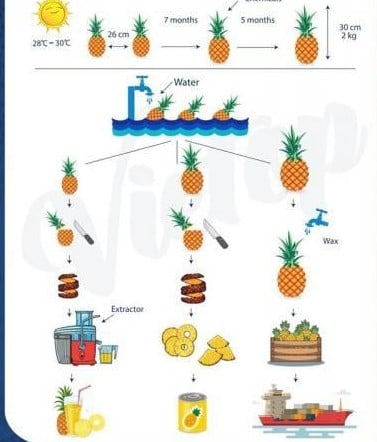
The process diagram details the steps by which pineapples are produced for sale.
The process details the steps by which pineapple is produced and shipped for later retail. Looking from an overall perspective, it is readily apparent that pineapple production involves both man-made and natural processes beginning with the ripening of the fruit, its preparation and division into different sizes before final processing. Smaller pineapples are used for juice, medium sized ones are canned and the largest ones are sold whole.
The processing of all pineapple products begins in a tropical climates (28 °C to 30 °C) during which pineapples are harvested at various sizes including 26cm, 28cm and 30cm (2kg) in total height. The pineapples are then cleaned and divided into three groups with the smallest and medium sized ones both having their tops sliced off and the rinds peeled. The smaller ones are then sent through a juice extractor, while the larger ones are sliced and canned.
In contrast, the 30cm pineapples are simply washed, coated in wax, placed in crates and then shipped on freights overseas.
Analysis
1. The process details the steps by which pineapple is produced and shipped for later retail. 2. Looking from an overall perspective, it is readily apparent that pineapple production involves both man-made and natural processes beginning with the ripening of the fruit, its preparation and division into different sizes before final processing. 3. Smaller pineapples are used for juice, medium sized ones are canned and the largest ones are sold whole.
Paraphrase what the process shows.
Write a clear overview summarising the major trends and differences.
The overview might need a second sentence.
1. The processing of all pineapple products begins in a tropical climates (28 °C to 30 °C) during which pineapples are harvested at various sizes including 26cm, 28cm and 30cm (2kg) in total height. 2. The pineapples are then cleaned and divided into three groups with the smallest and medium sized ones both having their tops sliced off and the rinds peeled. 3. The smaller ones are then sent through a juice extractor, while the larger ones are sliced and canned.
Begin writing about the details of the process.
Compare as much as possible.
Finish the last steps of the process.
1. In contrast, the 30cm pineapples are simply washed, coated in wax, placed in crates and then shipped on freights overseas.
Write about the rest of the process – include everything!
Vocabulary
What do the words in bold below mean?Take some notes on a piece of paper to aid your memory:
The process details the steps by which pineapple is produced and shipped for later retail. Looking from an overall perspective, it is readily apparent that pineapple production involves both man-made and natural processesbeginning with the ripening of the fruit, its preparation and division into different sizes before final processing. Smaller pineapples are used for juice, medium sized ones are canned and the largest ones are sold whole.
The processing of all pineapple products begins in a tropical climates (28 °C to 30 °C) during which pineapples are harvested at various sizes including 26cm, 28cm and 30cm (2kg) in total height. The pineapples are then cleaned and divided into three groups with the smallest and medium sized ones both having their tops sliced off and the rinds peeled. The smaller ones are then sent through a juice extractor, while the larger ones are sliced and canned.
In contrast, the 30cm pineapples are simply washed, coated in wax, placed in crates and then shipped on freights overseas.
Answers
details describes
steps stages
later retail sold after that
Looking from an overall perspective, it is readily apparent that overall
The process d_______s the s_____s by which pineapple is produced and shipped for l____________l. L________________________________________________t pineapple production involves both m_________e and n_________________sb___________________h the r__________g of the fruit, its p_____________n and d__________n into different sizes b_______e f___________________g. Smaller pineapples are used for juice, medium sized ones are c_________d and the largest ones are sold w______e.
The processing of all pineapple products begins in a t_____________s (28 °C to 30 °C) during which pineapples are h____________d at various sizes including 26cm, 28cm and 30cm (2kg) in total height. The pineapples are then cleaned and d________________o three groups with the smallest and medium sized ones both having their t_____s s_______________f and the r______s p________d. The smaller ones are then s______________________________r, while the larger ones are s_______________________d.
I_________________t, the 30cm pineapples are s__________y washed, coated in w___x, p___________________s and then shipped on f_______________________s.
Listening Practice
Listen to the related topic below and practice with these activities:
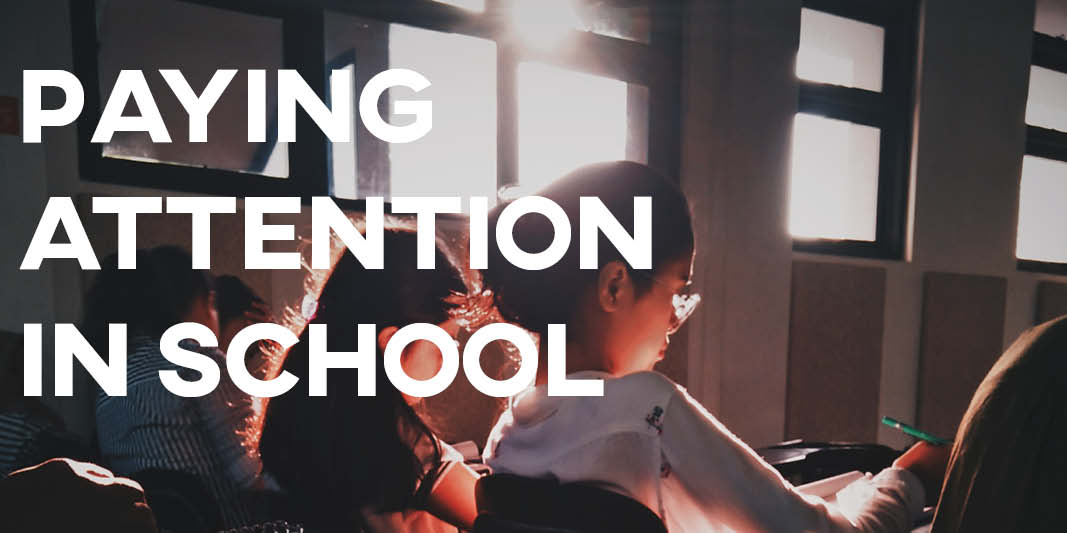
Many students find it difficult to pay attention at school.
What are the reasons for this?
What could be done to solve this problem?
Many students these days find it increasingly difficult to pay attention during lessons. In my opinion, this is partly a natural reaction that has been exacerbated by technology and the solutions lie in school reform.
Students struggle to stay engaged both due to a natural predisposition and the pervasive impact of screen time. Students throughout history have always wanted to escape their school lessons. This is because learning is difficult and provides little pleasure itself relative to both passive and active pastimes like hanging out with friends, watching TV, listening to music, or playing sports. Moreover, the advent of the ubiquitous internet era and portable devices such as smartphones has had an exponential effect on attention spans and diversionary priorities. Most students today are addicted to short videos and posts on social media networks and therefore struggle to follow the intricate arguments of lengthy lectures and extended readings.
On a small scale, individuals can remedy these problems through sheer willpower but for broader change schools must play an active role. The most immediate fix would be to ban phones. This is difficult since phones serve practical purposes such as allowing students to call their parents or book a ride home, but they could be taken at the beginning of the day and returned when school finishes. Another step schools could take would be to modernise the curriculum and account for reduced attention spans. Lessons could be shorter and could include more interactivity in order to stimulate learning, rather than the passive learning environment that has led to daydreaming students for generations.
In conclusion, although this trend is likely an irreversible part of human nature and progress, schools can implement changes to curb its effects. It is important for parents and governments to be supportive of such reforms as well.
Analysis
1. Many students these days find it increasingly difficult to pay attention during lessons. 2. In my opinion, this is partly a natural reaction that has been exacerbated by technology and the solutions lie in school reform.
Paraphrase the overall essay topic.
Write a clear opinion. Read more about introductions here.
1. Students struggle to stay engaged both due to a natural predisposition and the pervasive impact of screen time. 2. Students throughout history have always wanted to escape their school lessons. 3. This is because learning is difficult and provides little pleasure itself relative to both passive and active pastimes like hanging out with friends, watching TV, listening to music, or playing sports. 4. Moreover, the advent of the ubiquitous internet era and portable devices such as smartphones has had an exponential effect on attention spans and diversionary priorities. 5. Most students today are addicted to short videos and posts on social media networks and therefore struggle to follow the intricate arguments of lengthy lectures and extended readings.
Write a topic sentence with a clear main idea at the end.
Explain your main idea.
Develop it with specific examples.
Switch to a second reason.
Develop it fully.
1. On a small scale, individuals can remedy these problems through sheer willpower but for broader change schools must play an active role. 2. The most immediate fix would be to ban phones. 3. This is difficult since phones serve practical purposes such as allowing students to call their parents or book a ride home, but they could be taken at the beginning of the day and returned when school finishes. 4. Another step schools could take would be to modernise the curriculum and account for reduced attention spans. 5. Lessons could be shorter and could include more interactivity in order to stimulate learning, rather than the passive learning environment that has led to daydreaming students for generations.
Write a new topic sentence with a new main idea at the end.
Explain your new main idea.
Include specific details and examples.
Continue developing or switch to a related solution.
Develop this one fully.
1. In conclusion, although this trend is likely an irreversible part of human nature and progress, schools can implement changes to curb its effects. 2. It is important for parents and governments to be supportive of such reforms as well.
Summarise your main ideas.
Include a final thought. Read more about conclusions here.
Vocabulary
What do the words in bold below mean?Make some notes on paper to aid memory and then check below.
Many students these days find it increasingly difficult to pay attention during lessons. In my opinion, this is partly a natural reaction that has been exacerbated by technology and the solutions lie in school reform.
Students struggle to stay engaged both due to a natural predisposition and the pervasive impact of screen time. Students throughout history have always wanted to escape their school lessons. This is because learning is difficult and provides little pleasure itself relative to both passive and active pastimes like hanging out with friends, watching TV, listening to music, or playing sports. Moreover, the advent of the ubiquitous internet era and portable devices such as smartphones has had an exponential effect on attention spans and diversionary priorities. Most students today are addicted to short videos and posts on social media networks and therefore struggle to follow the intricate arguments of lengthy lectures and extended readings.
On a small scale, individuals can remedy these problems through sheer willpower but for broader change schools must play an active role. The most immediate fix would be to ban phones. This is difficult since phones serve practical purposes such as allowing students to call their parents or book a ride home, but they could be taken at the beginning of the day and returned when school finishes. Another step schools could take would be to modernise the curriculum and account for reduced attention spans. Lessons could be shorter and could include more interactivity in order to stimulate learning, rather than the passive learning environment that has led to daydreaming students for generations.
In conclusion, although this trend is likely an irreversible part of human nature and progress, schools can implement changes to curb its effects. It is important for parents and governments to be supportive of such reforms as well.
Answers
these days nowadays
increasingly difficult harder
pay attention focus, concentrate
partly somewhat
exacerbated made worse
solutions lie in remedies include
school reform changes to schools
stay engaged pay attention
natural predisposition normal inclination
pervasive throughout
screen time spending time on phones, computers
escape get away from
provides little pleasure itself doesn’t make you happy on your own
relative to compared to
passive not active
active pastimes not passive activities
advent beginning of
ubiquitous common
internet era online
portable devices smartphones, tablets, etc.
exponential effect gets worse and worse quickly
attention spans amount of time you can focus
diversionary priorities paying attention to other things
I recommend getting a pencil and piece of paper because that aids memory. Then write down the missing vocabulary from my sample answer in your notebook:
Many students t____________s find it i_____________________t to p________________n during lessons. In my opinion, this is p________y a natural reaction that has been e_______________d by technology and the s__________________n s______________m.
Students struggle to s_____________d both due to a n____________________n and the p_______________e impact of s______________e. Students throughout history have always wanted to e__________e their school lessons. This is because learning is difficult and p____________________________f r_____________o both p_________e and a___________________s like hanging out with friends, watching TV, listening to music, or playing sports. Moreover, the a_______t of the u_______________s i______________a and p________________s such as smartphones has had an e___________________t on a_________________s and d_________________________s. Most students today are a_____________d to short videos and posts on social media networks and therefore s_________e to follow the i_________________________s of l____________________s and e______________________s.
On a s________________e, individuals can r_________y these problems through s____________________r but for b_____________r change schools must p________________________e. The m______________________x would be to b___n phones. This is difficult since phones s___________________________s such as allowing students to call their parents or b_________________e, but they could be t__________n at the beginning of the day and r______________d when school finishes. Another step schools could take would be to m______________e the c______________m and a_______________r reduced attention spans. Lessons could be shorter and could include more i_______________y in order to s_____________e learning, r____________n the p______________________t that has led to d__________________g students for g______________s.
In conclusion, although this trend is likely an i_______________e part of human nature and p___________s, schools can i______________________s to c______b its effects. It is important for parents and governments to be s_______________e of such r__________s as well.
Listening Practice
Learn more about this topic in the video below and practice with these activities:
This is an IELTS writing task 1 sample answer essay on the topic of a table related to independent films released in the UK and Ireland by genre in 2012.
Tough one because there is so much data to describe in it!
Please consider supporting my efforts to creative high quality IELTS materials for students around the world by signing up for my Patreon (and so you won’t miss out on any of my exclusive IELTS Ebooks)!
Dave
IELTS Essay Task 1: Independent Films Table
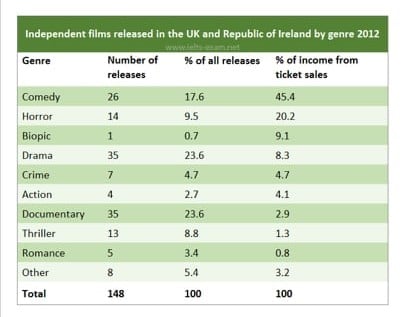
The table shows independent film releases by genre in the UK and Republic of Ireland in 2012.
The table gives information about films released independently according to genre in the UK and the Republic of Ireland in a single year, 2012. Looking from an overall perspective, it is readily apparent that the vast majority of money was generated by comedy followed closely by horror, then more distantly biopic, and drama, while other genres earned far less. This contrasts with the total number of films in some areas as dramas, documentaries and comedies were most common.
Looking at the genres with the greatest disparity first of all, there were 70 documentaries and dramas released though their box office numbers accounted for just 2.9% and 8.3% of sales, respectively. A divergent trend can be seen for comedies and horror in particular with the former constituting 17.6% of all releases and 45.4% of sales and the latter at 9.5% and 20.2%
Differences in the remaining genres were more marginal as biopics were .7% of all releases and 9.1% of revenue. The totals for crime were proportionate at 4.7% each, action made up 2.7% of all releases and a slightly higher 4.1% of sales. Finally, thrillers were 8.8% of releases and just 1.3% of sales, romance stood at 3.4% and .8%, with other representing 5.4% of films and 3.2% of tickets sales tabulated.
Analysis
1. The table gives information about films released independently according to genre in the UK and the Republic of Ireland in a single year, 2012. 2. Looking from an overall perspective, it is readily apparent that the vast majority of money was generated by comedy followed closely by horror, then more distantly biopic, and drama, while other genres earned far less. 3. This contrasts with the total number of films in some areas as dramas, documentaries and comedies were most common.
Paraphrase what the table shows.
Write a clear overview summarising the major trends and differences.
Add an extra sentence to be sure that you have covered everything.
1. Looking at the genres with the greatest disparity first of all, there were 70 documentaries and dramas released though their box office numbers accounted for just 2.9% and 8.3% of sales, respectively. 2. A divergent trend can be seen for comedies and horror in particular with the former constituting 17.6% of all releases and 45.4% of sales and the latter at 9.5% and 20.2%
Begin writing about the differences.
Compare as much as possible.
1. Differences in the remaining genres were more marginal as biopics were .7% of all releases and 9.1% of revenue. 2. The totals for crime were proportionate at 4.7% each, action made up 2.7% of all releases and a slightly higher 4.1% of sales. 3. Finally, thrillers were 8.8% of releases and just 1.3% of sales, romance stood at 3.4% and .8%, with other representing 5.4% of films and 3.2% of tickets sales tabulated.
Write about the rest of the information.
Make sure you have detailed all the information.
If you miss any, it will hurt your task achievement score.
Vocabulary
What do the words in bold below mean?Take some notes on a piece of paper to aid your memory:
The table gives information about films released independently according togenre in the UK and the Republic of Ireland in a single year, 2012. Looking from an overall perspective, it is readily apparent that the vast majority of money was generated by comedy followed closely byhorror, then more distantly biopic, and drama, while other genres earned far less. This contrasts with the total number of films in some areas as dramas, documentaries and comedies were most common.
Looking at the genres with the greatest disparity first of all, there were 70 documentaries and dramas released though their box office numbersaccounted for just 2.9% and 8.3% of sales, respectively. A divergent trend can be seen for comedies and horror in particular with the former constituting 17.6% of all releases and 45.4% of sales and the latter at 9.5% and 20.2%
Differences in the remaining genres were more marginal as biopics were .7% of all releases and 9.1% of revenue. The totals for crime were proportionate at 4.7% each, action made up 2.7% of all releases and a slightly higher 4.1% of sales. Finally, thrillers were 8.8% of releases and just 1.3% of sales, romance stood at 3.4% and .8%, with other representing 5.4% of films and 3.2% of tickets sales tabulated.
Answers
gives information about illustrates
independently on its own
according to by
genre type of film
in a single year over 1 year
Looking from an overall perspective, it is readily apparent that overall
vast majority most of
generated created
comedy funny movie
followed closely by right after it
horror scary movie
distantly far behind
biopic movie about a person
drama serious movie
earned far less made less money
contrasts shows the difference
documentaries about reality
common popular
looking at the genres with the greatest disparity first of all considering the kinds of films showing the biggest differences to begin with
The table g_____________________t films released i___________________y a__________________og______e in the UK and the Republic of Ireland i_________________r, 2012. L______________________________________________t the v_______________y of money was g______________d by c_________y f_________________yh_________r, then more d__________y b__________c, and d________a, while other genres e_________________s. This c____________s with the total number of films in some areas as dramas, d__________________s and comedies were most c_________n.
L__________________________________________________________l, there were 70 documentaries and dramas released though their b____________________sa________________r just 2.9% and 8.3% of sales, r_____________y. A d___________________d can be seen for comedies and horror i________________r with the f_________r c__________________g 17.6% of all releases and 45.4% of sales and the l_______r at 9.5% and 20.2%
Differences in the r________________g genres were more m____________l as biopics were .7% of all releases and 9.1% of r__________e. The totals for crime were p____________________e at 4.7% each, action made up 2.7% of all releases and a s________________r 4.1% of sales. Finally, t_____________s were 8.8% of releases and just 1.3% of sales, r__________e s__________t 3.4% and .8%, with other r___________g 5.4% of films and 3.2% of tickets sales t___________d.
Listening Practice
Listen to the related topic below and practice with these activities:
This is an IELTS writing task 2 sample answer essay on the topic of taking care of parents from the real IELTS general training exam.
Tough one for me to write about it – let me know what you think in the comments!
Please consider supporting me on Patreon.com/howtodoielts so that I can continue publishing these essays!
Dave
IELTS Essay: Taking Care of Parents
Fewer and fewer children are willing to look after their parents as they get olderthese days.
Do the advantages of this trend outweigh the disadvantages?
Many people today believe that since children are less and less likely to look after their parents, this has a negative impact on society. In my opinion, though there are decided social drawbacks, the advantages for both the elderly and younger people are greater.
Those who decry the perceived selfishness of children these days point out the vulnerability of the elderly. Firstly, many elderly people suffer from chronic, degenerative conditions such as declining eyesight, arthritis, dementia, and more serious diseases such as cancer. They therefore rely on the support of those around them and may not still have a spouse capable of looking after them. Secondly, those on fixed incomes might need financial assistance. In many countries, the social welfare systems are weak and elderly people who have not been able to save for retirement can find themselves living in destitute conditions or relying on soup kitchens and, in extreme cases, driven to homelessness.
However, the cases above are exceptions and it is more important for both parents and children to be independent. Many children end up in a situation where they must neglect their own plans and family in order to spend time and pay exorbitant medical bills for the elderly. This has an impact disproportionate with its benefits and younger people would be better off prioritising their own lives. Moreover, the elderly themselves may come to think of themselves as burdens. If they are constantly asking for help and impairing the progress of their children, then they have not done an adequate job as a parent to begin with. A greater degree of self-reliance will preserve their dignity and allow their children to prosper.
In conclusion, despite the necessity of aid from children in specific instances, most families benefit valuing independence. Therefore, looking after ones parents ought to be a last resort option.
Analysis
1. Many people today believe that since children are less and less likely to look after their parents, this has a negative impact on society. 2. In my opinion, though there are decided social drawbacks, the advantages for both the elderly and younger people are greater.
Paraphrase the overall essay topic.
Write a clear opinion. Read more about introductions here.
1. Those who decry the perceived selfishness of children these days point out the vulnerability of the elderly. 2. Firstly, many elderly people suffer from chronic, degenerative conditions such as declining eyesight, arthritis, dementia, and more serious diseases such as cancer. 3. They therefore rely on the support of those around them and may not still have a spouse capable of looking after them. 4. Secondly, those on fixed incomes might need financial assistance. 5. In many countries, the social welfare systems are weak and elderly people who have not been able to save for retirement can find themselves living in destitute conditions or relying on soup kitchens and, in extreme cases, driven to homelessness.
Write a topic sentence with a clear main idea at the end.
Explain your main idea.
Develop it with specific detail.
Continue to develop it.
Develop it as fully as possible.
1. However, the cases above are exceptions and it is more important for both parents and children to be independent. 2. Many children end up in a situation where they must neglect their own plans and family in order to spend time and pay exorbitant medical bills for the elderly. 3. This has an impact disproportionate with its benefits and younger people would be better off prioritising their own lives. 4. Moreover, the elderly themselves may come to think of themselves as burdens. 5. If they are constantly asking for help and impairing the progress of their children, then they have not done an adequate job as a parent to begin with. 6. A greater degree of self-reliance will preserve their dignity and allow their children to prosper.
Write a new topic sentence with a new main idea at the end.
Explain your new main idea.
Include specific details and examples.
The more specific, the better.
Add on any extra detail that you can that is related for a better task achievement score.
This paragraph can be slightly longer but not too much!
1. In conclusion, despite the necessity of aid from children in specific instances, most families benefit valuing independence. 2. Therefore, looking after ones parents ought to be a last resort option.
Summarise your main ideas.
Include a final thought. Read more about conclusions here.
Vocabulary
What do the words in bold below mean?Take notes on a piece of paper so that you remember them better:
Many people today believe that since children are less and less likely to look after their parents, this has a negative impact on society. In my opinion, though there are decided social drawbacks, the advantages for both the elderly and younger people are greater.
Those who decry the perceived selfishness of children these days point out the vulnerability of the elderly. Firstly, many elderly people suffer from chronic, degenerative conditions such as declining eyesight, arthritis, dementia, and more serious diseases such as cancer. They therefore rely on the support of those around them and may not still have a spouse capable of looking after them. Secondly, those on fixed incomes might need financial assistance. In many countries, the social welfare systems are weak and elderly people who have not been able to save for retirement can find themselves living in destitute conditions or relying on soup kitchens and, in extreme cases, driven to homelessness.
However, the cases above are exceptions and it is more important for both parents and children to be independent. Many children end up in a situation where they must neglect their own plans and family in order to spend time and pay exorbitant medical bills for the elderly. This has an impact disproportionate with its benefits and younger people would be better offprioritising their own lives. Moreover, the elderly themselves may come to think of themselves asburdens. If they are constantly asking for help and impairing the progress of their children, then they have not done an adequate job as a parent to begin with. A greater degree of self-reliance will preserve their dignity and allow their children to prosper.
In conclusion, despite the necessity of aid from children in specific instances, most families benefit valuing independence. Therefore, looking after ones parents ought to be a last resort option.
Answers
less and less likely not as common
look after take care of
decided definite
drawbacks downsides
greater more important
decry question
perceived selfishness apparently only caring about themselves
point out argue
vulnerability weakness
suffer hurt
chronic your whole life
degenerative conditions conditions that only get worse, not better
declining eyesight worse seeing
arthritis aching joints
dementia can’t remember, Alzheimer’s
rely depend on
support help
spouse capable significant other can
fixed incomes no extra money
financial assistance extra money
social welfare systems support from the government, housing, etc.
retirement stopping working after 65
find themselves end up
destitute conditions very poor
soup kitchens places that provide free meals
in extreme cases the worst examples
driven to homelessness have to live on the streets
exceptions outliers
independent self-reliant
end up finally become
neglect not pay attention to
pay exorbitant medical bills expensive medicine, treatments
impact disproportionate with its benefits not as much result as what it costs
better offprioritising should care about
may come to think of themselves asburdens feel they are a hindrance
I recommend getting a pencil and piece of paper because that aids memory. Then write down the missing vocabulary from my sample answer in your notebook:
Many people today believe that since children are l__________________y to l______________r their parents, this has a negative impact on society. In my opinion, though there are d__________d social d_____________s, the advantages for both the elderly and younger people are g_________r.
Those who d________y the p____________________s of children these days p__________t the v______________y of the elderly. Firstly, many elderly people s__________r from c__________c, d_______________________s such as d__________________t, a_____________s, d____________a, and more serious diseases such as cancer. They therefore r____y on the s____________t of those around them and may not still have a s______________e of looking after them. Secondly, those on f_________________s might need f_____________________e. In many countries, the s_______________________s are weak and elderly people who have not been able to save for r________________t can f_______________s living in d___________________s or relying on s_____________s and, i___________________s, d_____________________s.
However, the cases above are e_________________s and it is more important for both parents and children to be i______________t. Many children e_______p in a situation where they must n________t their own plans and family in order to spend time and p________________________s for the elderly. This has an i__________________________________s and younger people would be b__________________________g their own lives. Moreover, the elderly themselves m___________________________________________s. If they are c_____________y asking for help and i________________g the p_________s of their children, then they have not done an a_____________e job as a parent t___________________h. A____________________e of s_________________e will p__________e their d__________y and allow their children to p_________r.
In conclusion, despite the n____________y of aid from children in s___________________s, most families benefit valuing independence. Therefore, looking after ones parents ought to be a l__________________n.
Listening Practice
Learn more about this topic in the video below and practice with these activities:
"The highest quality materials anywhere on the internet! Dave improved my writing and vocabulary so much. Really affordable options you don't want to miss out on!"