This is an IELTS writing task 2 sample answer essay on the topic of packaging from the real IELTS exam.
Sign up for my Patreon here so you don’t miss my exclusive IELTS PDFs!
Dave
IELTS Essay: Packaging
Some people say that supermarkets and manufacturers have a responsibility to reduce the amount of packaging on products they sell. Others believe that it is the consumer’s responsibility to avoid buying products which have a lot of packaging.
Discuss both views and give your opinions.
It is often argued that curtailing the over-packaging of products is the onus of supermarkets and manufacturers rather than consumers. From my point of view, I am largely in agreement with the latter viewpoint.
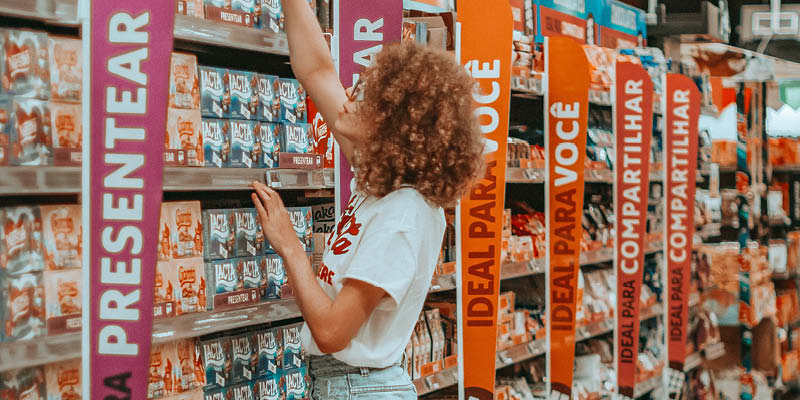
On the one hand, supermarkets and manufacturers are responsible for using less packaging because they are the ones who have instituted unnecessary packaging on a large scale. There is no discernible reason, in light of its dire environmental impact, that toothpaste manufacturers have historically chosen to pack tubes in extra boxes or supermarkets have opted to wrap bananas and apples in Styrofoam trays, covered with plastic. These redundant practices contribute greatly to both the initial production of plastic and its subsequent disposal in landfills. Since supermarkets and manufacturers are the ones with the power to reform their own policies, it is only logical that they should be responsible.
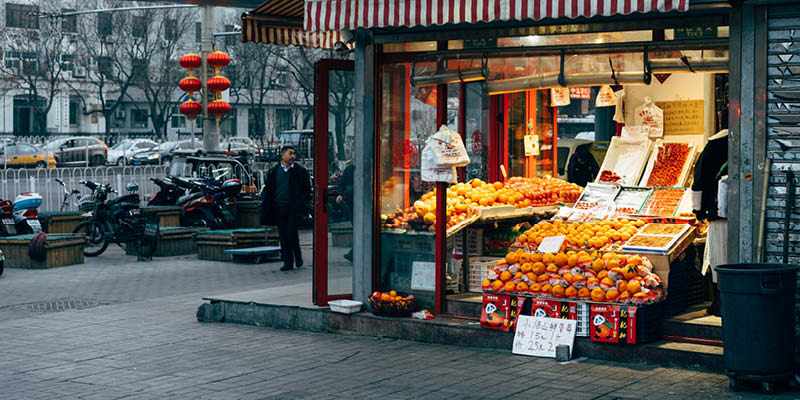
On the other hand, only consumers can force the hands of large corporations by boycotting their products. This is best evidenced in cities where it used to be common to package fruits and vegetables in plastic, such as Chiang Mai in Thailand. Consumer awareness movements among locals have had a discernible impact on companies. It is now much more common to find bananas bare or simply wrapped in natural leaves and vegetables tied together with a single piece of string to lessen their environmental footprint. This same practice employed in cities around the world will have the largest possible impact on the environment.
In conclusion, the only pragmatic way to persuade shareholder-controlled corporations to reform packaging policies is by putting consumer pressure on their bottom lines. If customers make more of an effort to steer clear of heavily packaged products in favour of more environmentally conscious ones, this will lead to a shift in thinking when it comes to the environmental toll of plastics.
Analysis
1. It is often argued that curtailing the over-packaging of products is the onus of supermarkets and manufacturers rather than consumers. 2. From my point of view, I am largely in agreement with the latter viewpoint.
First I paraphrased the overall essay topic.
Then I wrote my opinion. Read more about introductions here.
1. On the one hand, supermarkets and manufacturers are responsible for using less packaging because they are the ones who have instituted unnecessary packaging on a large scale. 2. There is no discernible reason, in light of its dire environmental impact, that toothpaste manufacturers have historically chosen to pack tubes in extra boxes or supermarkets have opted to wrap bananas and apples in Styrofoam trays, covered with plastic. 3. These redundant practices contribute greatly to both the initial production of plastic and its subsequent disposal in landfills. 4. Since supermarkets and manufacturers are the ones with the power to reform their own policies, it is only logical that they should be responsible.
I then wrote a topic sentence with a clear main idea at the end.
Next, I explain my main idea and add specific support.
Then I state the results of my examples.
Finally, I relate my ideas back to the overall essay question.
1. On the other hand, only consumers can force the hands of large corporations by boycotting their products. 2. This is best evidenced in cities where it used to be common to package fruits and vegetables in plastic, such as Chiang Mai in Thailand. 3. Consumer awareness movements among locals have had a discernible impact on companies. 4. It is now much more common to find bananas bare or simply wrapped in natural leaves and vegetables tied together with a single piece of string to lessen their environmental footprint. 5. This same practice employed in cities around the world will have the largest possible impact on the environment.
I then wrote another topic sentence with a new main idea at the end.
Then I explained my main idea and started a specific example.
I developed the example.
Next, I stated the results of my example.
Finally, I generalised to other cases.
1. In conclusion, the only pragmatic way to persuade shareholder-controlled corporations to reform packaging policies is by putting consumer pressure on their bottom lines. 2. If customers make more of an effort to steer clear of heavily packaged products in favour of more environmentally conscious ones, this will lead to a shift in thinking when it comes to the environmental toll of plastics.
I summarise my main ideas and repeat my opinion.
Then I add a final thought/detail. This introduction is a little bit long – yours can be shorter. Read more about conclusions here.
Vocabulary
What do the words in bold below mean?
It is often argued that curtailing the over-packaging of products is the onus of supermarkets and manufacturers rather than consumers. From my point of view, I am largely in agreement with the latter viewpoint.
On the one hand, supermarkets and manufacturers are responsible for using less packaging because they are the ones who have instituted unnecessary packaging on a large scale. There is no discernible reason, in light of its dire environmental impact, that toothpaste manufacturers have historically chosen to pack tubes in extra boxes or supermarkets have opted to wrap bananas and apples in Styrofoam trays, covered with plastic. These redundant practices contribute greatly to both the initial production of plastic and its subsequent disposal in landfills. Since supermarkets and manufacturers are the ones with the power to reform their own policies, it is only logical that they should be responsible.
On the other hand, only consumers can force the hands of large corporations by boycotting their products. This is best evidenced in cities where it used to be common to package fruits and vegetables in plastic, such as Chiang Mai in Thailand. Consumer awareness movements among locals have had a discernible impact on companies. It is now much more common to find bananas bare or simply wrapped in natural leaves and vegetables tied together with a single piece of string to lessen their environmental footprint. This same practice employed in cities around the world will have the largest possible impact on the environment.
In conclusion, the only pragmatic way to persuade shareholder–controlled corporations to reform packaging policies is by putting consumer pressure on their bottom lines. If customers make more of an effort to steer clear of heavily packaged products in favour of more environmentally conscious ones, this will lead to a shift in thinking when it comes to the environmental toll of plastics.
Answers
often argued frequently debated
curtailing lessening
over-packaging wrapping up too much
onus responsibility
manufacturers companies producing products
rather than instead of
from my point of view in my opinion
largely in agreement mostly agree
latter viewpoint opinion I mentioned second
instituted unnecessary packaging on a large scale put in place lots of wrapping up of products
discernible reason clear cause
in light of because of
dire environmental impact series effect on the environment
toothpaste manufacturers companies that make toothpaste
historically chosen in that past opted to
pack tubes package toothpaste tubes
opted chose
Styrofoam a packaging material
covered with wrapped in
redundant practices repetitive uses
initial first
subsequent disposal later throwing away
landfills putting trash in the ground
power to reform ability to change
policies guidelines
force the hands make them
boycotting not buying the products
best evidenced clearly supported
common happens a lot
consumer awareness movements people caring more about an issue
locals people from that area
discernible impact clear effect
bare not packaged
tied together wrapped together
lessen their environmental footprint make more environmentally friendly
employed used
largest possible impact biggest effect achievable
pragmatic way realistic route
persuade shareholder–controlled convince big companies
reform packaging policies change the way they package
consumer pressure customers buying/not buying
bottom lines profits
customers consumers
steer clear avoid
environmentally conscious ones those who care about the environment
lead to a shift in thinking will change how people view
environmental toll of plastics effect of packaging on the environment
It is o________________d that c_____________g the o_________________g of products is the o______s of supermarkets and m________________s r_____________________n consumers. F_____________________w, I am l________________________t with the l____________________t.
On the one hand, supermarkets and manufacturers are responsible for using less packaging because they are the ones who have i____________________________________________e. There is no d____________________n, i_______________f its d__________________________t, that t______________________________s have h____________________n to p______________s in extra boxes or supermarkets have o_______d to wrap bananas and apples in S______________m trays, c_______________h plastic. These r_____________________s contribute greatly to both the i__________l production of plastic and its s_____________________l in l___________s. Since supermarkets and manufacturers are the ones with the p________________m their own p___________s, it is only logical that they should be responsible.
On the other hand, only consumers can f______________s of large corporations by b________________g their products. This is b_______________d in cities where it used to be c______________n to package fruits and vegetables in plastic, such as Chiang Mai in Thailand. C___________________________s among l_________s have had a d_______________________t on companies. It is now much more common to find bananas b______e or simply wrapped in natural leaves and vegetables t_________________r with a single piece of string to l_______________________________t. This same practice e_______________d in cities around the world will have the l_________________________t on the environment.
In conclusion, the only p__________________y to p____________________________________d corporations to r_______________________________s is by putting c__________________e on their b____________________s. If c______________s make more of an effort to s______________r of heavily packaged products in favour of more e______________________________s, this will l_______________________________g when it comes to the e____________________________s.
This is an IELTS writing task 2 sample answer essay on the topic of large supermarkets and smaller shops from the real IELTS exam.
If you want more essays like this, support me here on Patreon.
Dave
IELTS Essay General Training: Supermarkets and Small Shops
Many large supermarkets are being built today while the number of small shops is decreasing.
Do the advantages of this outweigh the disadvantages?
The increasing number of large supermarkets has called into question their value for locals relative to smaller shops. In my opinion, though supermarkets are more convenient, local people benefit more from supporting their community rather than large conglomerates.
The obvious benefits to supermarkets relates to their convenience. They allow consumers to select from a wide variety of products that are consistently available, clearly labelled, fresh, and reasonably priced, depending on the supermarket in question. This contrasts with local shops which are necessarily smaller and therefore cannot stock as many products. These smaller stores are also more likely to run out of goods and charge higher prices. A supermarket can typically operate on smaller profit margins because of the volume of shoppers, which then allows them to offer discounts and special deals. All these factors combine to explain the inevitable dominance of large chain supermarkets over local retailers.
Regardless, by contributing to small shops, consumers fund those in their immediate community and deprive large companies of outsized profits. The money spent at a supermarket barely trickles down to the local area, through subsistence wages for employees, while the majority of the profits go to distant corporate executives and shareholders. Over time, these large companies have amassed considerable capital, as in the case of a company like Walmart, and now generate disproportionately large sums of money for a handful of individuals while paying minimum wage to most workers and leveraging their distribution power to slash rates with their suppliers. In effect, this means that the people producing and selling the food are not reaping the rewards of their efforts.
In conclusion, the modern conveniences of supermarkets do not outweigh their pernicious economic impact. Buying from a local shop is one way to better disperse power within a community.
Analysis
1. The increasing number of large supermarkets has called into question their value for locals relative to smaller shops. 2. In my opinion, though supermarkets are more convenient, local people benefit more from supporting their community rather than large conglomerates.
Here I paraphrased the overall essay topic.
Then I added my overall opinion and included my main ideas. Read more about introductions here.
1. The obvious benefits to supermarkets relates to their convenience. 2. They allow consumers to select from a wide variety of products that are consistently available, clearly labelled, fresh, and reasonably priced, depending on the supermarket in question. 3. This contrasts with local shops which are necessarily smaller and therefore cannot stock as many products. 4. These smaller stores are also more likely to run out of goods and charge higher prices. 5. A supermarket can typically operate on smaller profit margins because of the volume of shoppers, which then allows them to offer discounts and special deals. 6. All these factors combine to explain the inevitable dominance of large chain supermarkets over local retailers.
I wrote a clear topic sentence with my main idea at the end.
Then I explained it with specific examples.
I contract with local shops to make my argument strong.
Next, I wrote a shorter sentence and developed the comparison.
Here I keep developing the comparison.
I conclude the paragraph with a strong statement.
1. Regardless, by contributing to small shops, consumers fund those in their immediate community and deprive large companies of outsized profits. 2. The money spent at a supermarket barely trickles down to the local area, through subsistence wages for employees, while the majority of the profits go to distant corporate executives and shareholders. 3. Over time, these large companies have amassed considerable capital, as in the case of a company like Walmart, and now generate disproportionately large sums of money for a handful of individuals while paying minimum wage to most workers and leveraging their distribution power to slash rates with their suppliers. 4. In effect, this means that the people producing and selling the food are not reaping the rewards of their efforts.
I wrote another clear topic sentence with a new main idea.
Then I explain and begin to develop my idea.
Here I wrote a long sentence fully developing why people should not contribute to large supermarket companies.
I state the full results at the end of the paragraph.
1. In conclusion, the modern conveniences of supermarkets do not outweigh their pernicious economic impact. 2. Buying from a local shop is one way to better disperse power within a community.
I repeat my opinion and include my main ideas.
Finally, I include a final thought/extra detail. Read more about conclusions here.
Vocabulary
What do the words in bold below mean?
The increasing number of large supermarkets has called into question their value for locals relative to smaller shops. In my opinion, though supermarkets are more convenient, local people benefit more from supporting their community rather than large conglomerates.
The obvious benefits to supermarkets relates to their convenience. They allow consumers to select from a wide variety of products that are consistently available, clearly labelled, fresh, and reasonably priced, depending on the supermarket in question. This contrasts with local shops which are necessarily smaller and therefore cannot stock as many products. These smaller stores are also more likely to run out of goods and charge higher prices. A supermarket can typically operate on smaller profit margins because of the volume of shoppers, which then allows them to offer discounts and special deals. All these factors combine to explain the inevitable dominance of large chain supermarkets over local retailers.
Regardless, by contributing to small shops, consumers fund those in their immediate community and deprive large companies of outsized profits. The money spent at a supermarket barely trickles down to the local area, through subsistence wages for employees, while the majority of the profits go to distant corporate executives and shareholders. Over time, these large companies have amassed considerable capital, as in the case of a company like Walmart, and now generate disproportionately large sums of money for a handful of individuals while paying minimum wage to most workers and leveraging their distribution power to slash rates with their suppliers. In effect, this means that the people producing and selling the food are not reaping the rewards of their efforts.
In conclusion, the modern conveniences of supermarkets do not outweigh their pernicious economic impact. Buying from a local shop is one way to better disperse power within a community.
Answers
increasing number becoming more common
called into question questioned, dubious
value importance
locals relative to people who live around there related to
convenient easy
benefit more more advantageous
supporting their community help the local area
large conglomerates big companies
relates to has to do with
convenience ease
select from a wide variety choose from a lot of
consistently available can be found at any time
clearly labelled priced, clear ingredients
fresh not old
reasonably priced not too expensive
depending on hinging on
in question being discussed
contrasts differences
necessarily smaller must be not as large
stock products placed on shelves
more likely probably will happen
run out not have anymore
goods products
charge higher prices foods cost more
operate stay open
smaller profit margins making less money per product
volume of shoppers number of customers
offer discounts coupons, reduced prices
special deals discounts
factors combine elements add up to
explain show the reason how
inevitable dominance will be in control
large chain supermarkets big supermarkets owned by companies
local retailers neighborhood shops
regardless nonetheless
contributing to adding to
fund give money to
immediate community nearby area
deprive take away from
outsized profits disproportionate money
barely trickles down doesn’t reach many people
local area local community
subsistence wages just enough money to survive
majority most
distant corporate executives far away rich guys
shareholders people invested in the company
over time over a long period
amassed considerable capital accumulated a lot of money
Walmart a big supermarket/department store in America
generate disproportionately large sums make too much money
handful of some
paying minimum wage low salaries
leveraging their distribution power exploiting their control of sales
slash rates reduce prices
suppliers people/companies that sell to supermarkets
The i______________________r of large supermarkets has c_____________________n their v_______e for l__________________o smaller shops. In my opinion, though supermarkets are more c______________t, local people b________________e from s_________________________y rather than l_________________________s.
The obvious benefits to supermarkets r___________o their c_______________e. They allow consumers to s_________________________y of products that are c__________________________e, c_________________d, f_______h, and r___________________d, d________________n the supermarket i______________n. This c______________s with local shops which are n____________________r and therefore cannot s_______k as many products. These smaller stores are also m___________y to r___________t of g_________s and c____________________s. A supermarket can typically o__________e on s______________________s because of the v______________________s, which then allows them to o_________________s and s_________________s. All these f_________________e to e____________n the i___________________e of l_________________________s over l__________________s.
R_____________s, by c____________________o small shops, consumers f_______d those in their i___________________y and d__________e large companies of o__________________s. The money spent at a supermarket b____________________n to the l____________a, through s__________________s for employees, while the m______________y of the profits go to d_______________________s and s_______________s. O____________e, these large companies have a_________________________________l, as in the case of a company like W_______________t, and now g_________________________________________s of money for a h_______________f individuals while p__________________________e to most workers and l_______________________________________r to s_____________s with their s______________s. I_________________t, this means that the people producing and selling the food are not r_________________________s of their e___________s.
In conclusion, the modern conveniences of supermarkets do not o___________h their p_____________________________t. Buying from a local shop is one way to b______________________e power w____________________y.
Listening Practice
Watch the difference between supermarkets and farmer’s markets below:
Many companies sponsor sports as a way of advertising themselves. Some people think this is good for the world of sport, while others think it is a negative.
Discuss both views and give your own opinion.
Many believe that the influence of multinational companies on sports through sponsorship deals has a harmful effect. In my opinion, while advertising creates potential conflicts of interest, this a positive situation overall as it funds the sports industry.
The growing primacy of sponsorships in sports can be problematic when it precipitates an ethical dilemma. In recent years, many Middle Eastern corporate entities linked closely to governments with poor human rights records such as Saudi Arabia and Qatar have purchased and are now endorsed by major footballing leagues and teams. This raises the question of whether such leagues should accept morally bankrupt ownership. A similar example was seen in the NBA recently, which has signed various lucrative sponsorships with Chinese companies and was put in a difficult position when a league executive expressed support for the independence movement in Hong Kong. The league was forced to backtrack amid pressure of boycotts from China.
Nonetheless, advertising is a key part of the viewing experience fans have come to expect. The advertisements themselves are slightly annoying at best, but they allow leagues to make games widely available to watch and guarantees the salaries of the best players. Most games, whether it be football, basketball, tennis or another sport, can be viewed for free on major television networks or online. Advertising allows the distributors and owners to earn enough for this to be a viable option. Moreover, leagues do not operate in a vacuum. If one league banned all advertising, then players would simply switch to play somewhere else where salaries are higher. Advertising is therefore an unavoidable, crucial prerequisite to having the top players.
In conclusion, the fan benefits outweigh the pernicious impact of sponsorship deals in sport. It is regardless important for leagues to balance competing ethical, economic, and entertainment priorities.
Analysis
1. Many believe that the influence of multinational companies on sports through sponsorship deals has a harmful effect. 2. In my opinion, while advertising creates potential conflicts of interest, this a positive situation overall as it funds the sports industry.
I paraphrase the overall essay topic first.
Then I include my overall opionion. Read more about introductions here.
1. The growing primacy of sponsorships in sports can be problematic when it precipitates an ethical dilemma. 2. In recent years, many Middle Eastern corporate entities linked closely to governments with poor human rights records such as Saudi Arabia and Qatar have purchased and are now endorsed by major footballing leagues and teams. 3. This raises the question of whether such leagues should accept morally bankrupt ownership. 4. A similar example was seen in the NBA recently, which has signed various lucrative sponsorships with Chinese companies and was put in a difficult position when a league executive expressed support for the independence movement in Hong Kong. 5. The league was forced to backtrack amid pressure of boycotts from China.
I first write a topic sentence with a clear main idea at the end.
Next, I describe some specific examples that I know about.
I draw conclusions from those examples.
Then I switch to another related example and develop it fully.
I conclude with a more general statement.
1. Nonetheless, advertising is a key part of the viewing experience fans have come to expect. 2. The advertisements themselves are slightly annoying at best, but they allow leagues to make games widely available to watch and guarantees the salaries of the best players. 3. Most games, whether it be football, basketball, tennis or another sport, can be viewed for free on major television networks or online. 4. Advertising allows the distributors and owners to earn enough for this to be a viable option. 5. Moreover, leagues do not operate in a vacuum. 6. If one league banned all advertising, then players would simply switch to play somewhere else where salaries are higher. 7. Advertising is therefore an unavoidable, crucial prerequisite to having the top players.
Here is another topic sentence with a new main idea at the end.
First I qualify my main idea and then I explain it.
Then I start to focus on more specific sports.
I explain how sponsorships help earn money specifically.
Notice how I vary the long and short sentences.
Next, I state the possible results of banning ads.
Finally, I summarise my thoughts with a general statement.
1. In conclusion, the fan benefits outweigh the pernicious impact of sponsorship deals in sport. 2. It is regardless important for leagues to balance competing ethical, economic, and entertainment priorities.
I repeat my opinion and summarise my main ideas briefly.
Then I add a final thought/detail. Read more about conclusions here.
Vocabulary
What do the words in bold below mean?
Many believe that the influence of multinational companies on sports through sponsorship deals has a harmful effect. In my opinion, while advertising creates potential conflicts of interest, this a positive situation overall as it funds the sports industry.
The growing primacy of sponsorships in sports can be problematic when it precipitates an ethical dilemma. In recent years, many Middle Eastern corporate entities linked closely to governments with poor human rights records such as Saudi Arabia and Qatar have purchased and are now endorsed by major footballing leagues and teams. This raises the question of whether such leagues should accept morally bankrupt ownership. A similar example was seen in the NBA recently, which has signed various lucrative sponsorships with Chinese companies and was put in a difficult position when a league executive expressed support for the independence movement in Hong Kong. The league was forced to backtrack amid pressure of boycotts from China.
Nonetheless, advertising is a key part of the viewing experience fans have come to expect. The advertisements themselves are slightly annoying at best, but they allow leagues to make games widely available to watch and guarantees the salaries of the best players. Most games, whether it be football, basketball, tennis or another sport, can be viewed for free on major television networks or online. Advertising allows the distributors and owners to earn enough for this to be a viable option. Moreover, leagues do not operate in a vacuum. If one league banned all advertising, then players would simply switch to play somewhere else where salaries are higher. Advertising is therefore an unavoidable, crucial prerequisite to having the top players.
In conclusion, the fan benefits outweigh the pernicious impact of sponsorship deals in sport. It is regardless important for leagues to balance competingethical, economic, and entertainment priorities.
What do the words in bold below mean?
Answers
influence effect
multinational companies international corporations
sponsorship deals paying to use representatives from a sport or to have your logo associated with the team
harmful effect negative impact
creates potential conflicts of interest causes possible thorny ethical problems
positive situation overall good in general
funds the sports industry supports sports
growing primacy more and more important
problematic causes problems
precipitates starts/causes
ethical dilemma moral choice
corporate entities companies
linked closely connected deeply
poor human rights records don’t have rights for their citizens
endorsed by supported by
morally bankrupt ownership owners without ethics
signed various lucrative sponsorships contracted to work together
difficult position tough spot
league executive high up official
expressed support said he was in favour of
independence movement fighting for freedom
backtrack amid pressure take back what was said because of threats
boycotts not buying
nonetheless regardless
key part important piece
viewing experience watching the sport
come to expect now feel entitled to
slightly annoying at best a little irritating in the best case scenario
allow leagues let sporting federations
make games widely available everyone can watch them
guarantees the salaries makes it sure they can pay a lot
major television networks big TV stations
distributors those who broadcast the games
owners those who own the teams
viable option possible choice
do not operate in a vacuum are always in a context
Many believe that the i_____________e of m________________________s on sports through s_____________________s has a h__________________t. In my opinion, while advertising c________________________________________t, this a p_____________________________l as it f_______________________y.
The g____________________y of sponsorships in sports can be p________________c when it p_________________s an e___________________a. In recent years, many Middle Eastern c___________________s l___________________y to governments with p_________________________s such as Saudi Arabia and Qatar have purchased and are now e_______________y major footballing leagues and teams. This raises the question of whether such leagues should accept m____________________________p. A similar example was seen in the NBA recently, which has s________________________________________s with Chinese companies and was put in a d_______________________n when a l_______________________e e____________________________t for the i__________________________t in Hong Kong. The league was forced to b________________________e of b_________________s from China.
N__________________s, advertising is a k______________t of the v______________________e fans have c__________________t. The advertisements themselves are s____________________________t, but they a_________________s to m______________________________e to watch and g_________________________s of the best players. Most games, whether it be football, basketball, tennis or another sport, can be viewed for free on m_____________________________s or online. Advertising allows the d_______________s and o____________s to earn enough for this to be a v______________n. Moreover, leagues d___________________________m. If one league b___________d all advertising, then players would simply s___________h to play somewhere else where salaries are higher. Advertising is t_____________e an u________________e, c________________________e to having the top players.
In conclusion, the fan benefits o____________h the p______________________t of sponsorship deals in sport. It is regardless important for leagues to b____________________ge__________l, e_______________c, and entertainment p_________________s.
This is an IELTS writing task 2 sample answer essay on the topic of children living in the city or the countryside from the general training exam.
For all my exclusive IELTS PDFs, sign up for my Patreon here.
Dave
IELTS Essay General Training: Children & the Countryside
Some people believe that children should grow up in the city while others believe the countryside is a better choice.
Discuss both sides and give your opinion.
Many think that children ought to be raised in the city, while others feel a rural setting contributes to a better childhood. In my opinion, though living in the countryside allows children to learn a variety of useful skills, the crucial life skill is learned in the city.
Children who grow up in the countryside tend to have a good grasp of many household jobs. In the countryside, it is more difficult and expensive to bring in a maid or handyman for assistance. As a result, many country kids that live on farms or in remote areas must lend a hand in taking care of the livestock, cooking for the family, and undertaking various small repairs around the home. Children living in the city, in contrast, are more likely to get their food from restaurants and spend more time focused on their homework, not taking on an active engagement with the environment around them. Over time, the gulf in terms of what a child from the countryside from city can do widens.
Nonetheless, the city is better for raising children because of the social skills one can learn there. Children from country often find themselves a product of their unique household and struggle to adapt to different social spheres if they move to the city for work. Those who grow up in the city have to interact with other children from a variety of ethnic and socioeconomic backgrounds on a daily basis. In order to do this, they develop greater empathy for others and improve their conversational skills. They may switch from one group of friends to another or interact with adults with diverse occupations and nationalities, all contributing to their social education. The end result is that they grow up with a far keener understanding of how to communicate and connect with people, a skill of singular value.
In conclusion, children in the country learn a number of practical skills but lag behind in terms of social skills. Parents must weigh many competing priorities but if all factors are equal, they should opt for urban life.
Analysis
1. Many think that children ought to be raised in the city, while others feel a rural setting contributes to a better childhood. 2. In my opinion, though living in the countryside allows children to learn a variety of useful skills, the crucial life skill is learned in the city.
Paraphrase the overall essay topic.
Write a clear opinion and choose a side. Read more about introductions here.
1. Children who grow up in the countryside tend to have a good grasp of many household jobs. 2. In the countryside, it is more difficult and expensive to bring in a maid or handyman for assistance. 3. As a result, many country kids that live on farms or in remote areas must lend a hand in taking care of the livestock, cooking for the family, and undertaking various small repairs around the home. 4. Children living in the city, in contrast, are more likely to get their food from restaurants and spend more time focused on their homework, not taking on an active engagement with the environment around them. 5. Over time, the gulf in terms of what a child from the countryside from city can do widens.
Write a topic sentence with a clear main idea at the end.
Focus on the countryside and include specific details.
Explain the results.
Contrast with city kids.
Conclude with a strong statement.
1. Nonetheless, the city is better for raising children because of the social skills one can learn there. 2. Children from country often find themselves a product of their unique household and struggle to adapt to different social spheres if they move to the city for work. 3. Those who grow up in the city have to interact with other children from a variety of ethnic and socioeconomic backgrounds on a daily basis. 4. In order to do this, they develop greater empathy for others and improve their conversational skills. 5. They may switch from one group of friends to another or interact with adults with diverse occupations and nationalities, all contributing to their social education. 6. The end result is that they grow up with a far keener understanding of how to communicate and connect with people, a skill of singular value.
Write another clear topic sentences with another clear main idea at the end.
Explain your main idea.
Develop it with specific details/examples.
Continue developing the same main idea.
This paragraph should be longer and more detailed because you agree with this side.
State the end results and their importance.
1. In conclusion, children in the country learn a number of practical skills but lag behind in terms of social skills. 2. Parents must weigh many competing priorities but if all factors are equal, they should opt for urban life.
Summarise your main ideas and repeat your opinion.
Add a final thought/detail. Read more about conclusions here.
Vocabulary
What do the words in bold below mean?
Many think that children ought to be raised in the city, while others feel a rural settingcontributes to a better childhood. In my opinion, though living in the countryside allows children to learn a variety of useful skills, the crucial life skill is learned in the city.
Children who grow up in the countryside tend to have a good grasp of many household jobs. In the countryside, it is more difficult and expensive to bring in a maid or handymanfor assistance. As a result, many country kids that live on farms or in remote areas must lend a hand in taking care of the livestock, cooking for the family, and undertaking various small repairs around the home. Children living in the city, in contrast, are more likely to get their food from restaurants and spend more time focused on their homework, not taking on an active engagement with the environment around them. Over time, the gulf in terms of what a child from the countryside from city can do widens.
Nonetheless, the city is better for raising children because of the social skills one can learn there. Children from country often find themselves aproduct of their unique household and struggle to adapt to different social spheres if they move to the city for work. Those who grow up in the city have to interact with other children from a variety of ethnic and socioeconomic backgrounds on a daily basis. In order to do this, they develop greater empathy for others and improve their conversational skills. They may switch from one group of friends to another or interact with adults with diverse occupations and nationalities, all contributing to their social education. The end result is that they grow up with a far keener understanding of how to communicate and connect with people, a skill of singular value.
In conclusion, children in the country learn a number of practical skills but lag behind in terms of social skills. Parents must weigh many competing priorities but if all factors are equal, they should opt for urban life.
Answers
ought should
raised grow up
rural setting countryside
contributes to give to
countryside rural areas
variety lots of different types
crucial life skill important ability for life
tend to have usually have
good grasp can do well
household jobs chores, odd jobs
handyman person who fixes things
assistance help
remote areas rural areas, isolated places
lend a hand help out
taking care of looking after
livestock animals on a farm
undertaking doing
repairs fixing
in contrast compared to/however
taking on engaged with
active engagement fully involved with
gulf gap
in terms of as it relates to
widens gets larger
nonetheless regardless
social skills communicating with others
aproduct of the result of
unique household idiosyncratic home
struggle have trouble
adapt change
social spheres different groups of people
interact with talk to
ethnic race
socioeconomic backgrounds how rich you are
daily basis everyday
greater empathy for others understand others better
conversational skills being able to talk well
switch change
diverse occupations different jobs
nationalities from different countries
end result final outcome
far keener understanding better handle on
communicate talk to
connect understand
singular value inimitable importance
lag behind fall behind
weigh many competing priorities consider different interests
Many think that children o_______t to be r________d in the city, while others feel a r______________gc__________________o a better childhood. In my opinion, though living in the c_____________e allows children to learn a v__________y of useful skills, the c______________l is learned in the city.
Children who grow up in the countryside t__________________e a g___________p of many h__________________s. In the countryside, it is more difficult and expensive to bring in a maid or h_____________n for a____________e. As a result, many country kids that live on farms or in r______________s must l_________________d in t______________e of the l_____________k, cooking for the family, and u_______________g various small r______________s around the home. Children living in the city, i______________t, are more likely to get their food from restaurants and spend more time focused on their homework, not t_____________n an a____________________t with the environment around them. Over time, the g_____f i______________f what a child from the countryside from city can do w__________s.
N_____________s, the city is better for raising children because of the s_______________s one can learn there. Children from country often find themselves a________________f their u__________________d and s____________e to a_________t to different s__________________s if they move to the city for work. Those who grow up in the city have to i_________________h other children from a variety of e_________c and s___________________________s on a d_______________s. In order to do this, they develop g___________________________s and improve their c________________________s. They may s_________h from one group of friends to another or interact with adults with d______________________s and n_________________s, all contributing to their social education. The e_______________t is that they grow up with a f_________________________g of how to c___________________e and c___________t with people, a skill of s____________________e.
In conclusion, children in the country learn a number of practical skills but l______________d in terms of social skills. Parents must w_______________________s but i________________________l, they should o___t for u__________________e.
Listening Practice
Learn about the costs of raising kids in New York City:
Reading Practice
Learn here about the benefits of raising kids in the countryside:
This is an IELTS writing task 2 sample answer essay from the real exam on the topic of fixed punishments and crimes.
Some people believe that there should be a fixed punishment for each type of crime. Others, however, argue that the circumstances of an individual crime, and the motivation for committing it, should always be taken into account when deciding on the punishment.
Discuss both views and give your own opinion.
This one is only available on my Patreon, but you can sign up for as low as $1 so you don’t miss out on any of my answers (and support me!).
"The highest quality materials anywhere on the internet! Dave improved my writing and vocabulary so much. Really affordable options you don't want to miss out on!"