Some believe that it is beneficial to show foreign films while others feel this can have a negative impact on local culture.
Discuss both views and give your own opinion.
Real Past IELTS Exam
Some believe cinemas should show a wide breadth of films from around the world, while others worry about the globalising effect on local culture. In my opinion, though reliance on domestic film can contribute greatly to the cultural development of a nation, it is too severe a restriction.
Those wary of the pernicious effects of films from other countries point to the importance of nationally produced films. When a country imports few films from abroad, they are forced into making more and better movies to attract audiences. For instance, in the 1980s immediately after the cultural revolution in China, few foreign films were shows. Studios instead funded ambitious Chinese film-makers like Zhang Yimou, who would later go on to lead the early 1990s ascent of Chinese new wave cinema. This same pattern has been repeated in South Korea, Japan, France, and numerous other countries at different periods in the 20th century. The sum effect on culture for each respective nation has been massive and, in many cases, represents their most recent defining cultural achievements.
Nonetheless, watching foreign films allows individuals to enjoy the best entertainment on offer. It would be cruel to ban foreign films and enforce a sub-par viewing experience in countries with under-developed film industries. Film is, after all, mainly an enjoyable form of relaxation. The most popular movies tend to come from Hollywood and include blockbuster superhero franchises, Oscar-worthy dramas, and comedies. Many local theatre chains would struggle to stay in business without foreign films and the new online streaming options mean that audiences would likely just subscribe to Netflix or download movies illegally. The actual cultural benefits of such restrictions might therefore be questionable while theatre-goers would surely be deprived of quality recreation.
In conclusion, the examples of isolated national film industries do not outweigh the diversionary value of film. There are other methods of preserving and encouraging culture besides censoring outside influences.
Analysis
1. Some believe cinemas should show a wide breadth of films from around the world, while others worry about the globalising effect on local culture. 2. In my opinion, though reliance on domestic film can contribute greatly to the cultural development of a nation, it is too severe a restriction.
Paraphrase the overall topic for the whole essay.
Give a clear opinion. Read more about introductions for IELTS here.
1. Those wary of the pernicious effects of films from other countries point to the importance of nationally produced films. 2. When a country imports few films from abroad, they are forced into making more and better movies to attract audiences. 3. For instance, in the 1980s immediately after the cultural revolution in China, few foreign films were shows. 4. Studios instead funded ambitious Chinese film-makers like Zhang Yimou, who would later go on to lead the early 1990s ascent of Chinese new wave cinema. 5. This same pattern has been repeated in South Korea, Japan, France, and numerous other countries at different periods in the 20th century. 6. The sum effect on culture for each respective nation has been massive and, in many cases, represents their most recent defining cultural achievements.
Write a topic sentence with a clear main idea at the end.
Explain your main idea, if necessary.
Give an example.
Develop or extend the example to other countries.
State the full results.
1. Nonetheless, watching foreign films allows individuals to enjoy the best entertainment on offer. 2. It would be cruel to ban foreign films and enforce a sub-par viewing experience in countries with under-developed film industries. 3. Film is, after all, mainly an enjoyable form of relaxation. 4. The most popular movies tend to come from Hollywood and include blockbuster superhero franchises, Oscar-worthy dramas, and comedies. 5. Many local theatre chains would struggle to stay in business without foreign films and the new online streaming options mean that audiences would likely just subscribe to Netflix or download movies illegally. 6. The actual cultural benefits of such restrictions might therefore be questionable while theatre-goers would surely be deprived of quality recreation.
Write another topic sentence with a clear main idea at the end.
Explain this main idea.
Vary short and long sentences.
Give specific examples to support your main idea.
Continue developing the same main idea – don’t switch to a new one.
Conclude with a strong statement.
1. In conclusion, the examples of isolated national film industries do not outweigh the diversionary value of film. 2. There are other methods of preserving and encouraging culture besides censoring outside influences.
Repeat your opinion and summarise your main ideas.
Add a final thought/detail.
Vocabulary
What do the words in bold below mean?
Some believe cinemas should show a wide breadth of films from around the world, while others worry about the globalising effect on local culture. In my opinion, though reliance on domestic film can contribute greatly to the cultural development of a nation, it is too severe a restriction.
Those wary of the pernicious effects of films from other countries point to the importance of nationally produced films. When a country imports few films from abroad, they are forced into making more and better movies to attract audiences. For instance, in the 1980s immediately after the cultural revolution in China, few foreign films were shows. Studios instead funded ambitious Chinese film-makers like Zhang Yimou, who would later go on to lead the early 1990s ascent of Chinese new wave cinema. This same pattern has been repeated in South Korea, Japan, France, and numerous other countries at different periods in the 20th century. The sum effect on culture for each respective nation has been massive and, in many cases, represents their most recent defining cultural achievements.
Nonetheless, watching foreign films allows individuals to enjoy the best entertainment on offer. It would be cruel to ban foreign films and enforce a sub-par viewing experience in countries with under-developed film industries. Film is, after all, mainly an enjoyable form of relaxation. The most popular movies tend to come from Hollywood and include blockbuster superhero franchises, Oscar-worthy dramas, and comedies. Many local theatre chains would struggle to stay in business without foreign films and the new online streaming options mean that audiences would likely just subscribe to Netflix or download movies illegally. The actual cultural benefits of such restrictions might therefore be questionable while theatre-goers would surely be deprived of quality recreation.
In conclusion, the examples of isolated national film industries do not outweigh the diversionary value of film. There are other methods of preserving and encouraging culture besides censoring outside influences.
Answers
wide breadth lots of different
globalising effect making the whole world the same
local culture the country in question
reliance dependence
domestic film film made in their country
contribute greatly add a lot to
cultural development the progress of art/culture
severe extreme
restriction regulation
wary suspicious about
pernicious effects bad impacts
point to argue
nationally produced films movies made in that country
imports what is brought into the country
abroad foreign
forced into must
attract audiences bring people in
immediately after right after, following
cultural revolution in China a program of restriction in China in the 1960s and 70s
studios film companies
funded ambitious gave money to promising
later go on after this would
ascent rise
Chinese new wave cinema early 1990s movement of good Chinese films
same pattern identical trend
repeated happened again
numerous many
different periods various times
20th century 1900-2000
sum effect total impact
respective nation country in question
massive huge
in many cases most of the time
represents total
most recent defining cultural achievements most important art made recently
nonetheless regardless
on offer available
cruel mean
ban restrict
enforce make sure it is followed
sub-par viewing experience bad time at the movies
under-developed not mature, not advanced
form make up
tend to usually
blockbuster superhero franchises Marvel and DC movies
Oscar-worthy dramas high-brow films
local theatre chains cinemas in your country
struggle have a tough time
stay in business continue to operate
streaming options online services for watching videos
audiences the people who watch
subscribe sign up to
download movies illegally steal films
actual cultural benefits real advantages for the culture
restrictions limits
questionable doubtful
theatre-goers people who watch movies
deprived of quality recreation taken away the fun
isolated alone
outweigh more important than
diversionary value important distractions
preserving keeping intact
encouraging helping
censoring outside influences restricting foreign films
Some believe cinemas should show a w___________h of films from around the world, while others worry about the g________________t on l______________e. In my opinion, though r____________e on d_______________m can c________________y to the c______________________t of a nation, it is too s________e a r____________n.
Those w_______y of the p____________________s of films from other countries p_________o the importance of n_________________________s. When a country i__________s few films from a_________d, they are f_____________o making more and better movies to a___________________s. For instance, in the 1980s i_______________________r the c_____________________________a, few foreign films were shows. S________s instead f________________s Chinese film-makers like Zhang Yimou, who would l____________n to lead the early 1990s a________t of C________________________a. This s___________n has been r__________d in South Korea, Japan, France, and n___________s other countries at d____________________s in the 2_______________y. The s____________t on culture for each r___________________n has been m__________e and, i____________s, r________________s their m____________________________________s.
N____________s, watching foreign films allows individuals to enjoy the best entertainment o________r. It would be c_______l to b___n foreign films and e__________e a s___________________________e in countries with u________________d film industries. Film is, after all, mainly an enjoyable f______m of relaxation. The most popular movies t________o come from Hollywood and include b____________________________________s, O_________________________s, and comedies. Many l_______________________s would s______________e to s_________________s without foreign films and the new online s_________________s mean that a______________s would likely just s_______________e to Netflix or d____________________________y. The a__________________________s of such r_______________s might therefore be q__________________e while t_______________s would surely be d____________________________________n.
In conclusion, the examples of i____________d national film industries do not o___________h the d________________________e of film. There are other methods of p_______________g and e_________________g culture besides c_______________________________s.
This is an IELTS writing task 2 sample answer essay on the topic of artificual intelligence and whether or not it is a positive development that computers will be smarter than humans someday.
Be sure that you check out my exclusive IELTS Ebooks and materials on Patreon here (and recommend a friend if you can!).
Some scientists believe that in the future computers will be more intelligent than human beings. While some see this as a positive development others worry about the negative consequences.
Discuss both views and give your opinion.
Real Past IELTS Exam
Many today are worried about the potential drawbacks of artificial intelligence. In my opinion, these concerns are legitimate but on the whole A.I. will allow for new heights to human endeavour.
The chief associated worries concern its misuse by humans initially and machines later. The former is already coming to pass as automation has phased out many traditional jobs. As artificial intelligence becomes more sophisticated, the positions in jeopardy will transition from low-skilled factory staff to data analysts and other white-collar workers. The fear is that companies will be motivated solely by their bottom line, lay off many employees and trigger mass social unrest. Some also believe A.I. portends darker scenarios akin to the apocalyptic dystopias of films like The Matrix and Terminator. This is a possibility though it is impossible to estimate its likelihood.
The speculations above should be taken seriously but they pale in comparison to the technologies A.I. can complement. Companies ranging from Google to Amazon to Tesla are investing heavily in this industry because of its enormous potential. For example, self-driving cars are fast becoming a reality and will reduce the number of vehicular accidents massively. Policymakers in government will be able to take advantage of sophisticated algorithms to project economic policy and positively enhance the lives of billions. In the consumer sphere, smartphones will become increasingly helpful, freeing up individuals to focus their time on work, family, and leisure. This is only a partial list and the most intriguing and impactful applications have yet to be unearthed.
In conclusion, artificial intelligence poses risks to the labour market and the future of humanity, but the opportunities for new projects should take priority. It is important to find a balance and methods of mitigating the dangers.
Analysis
1. Many today are worried about the potential drawbacks of artificial intelligence. 2. In my opinion, these concerns are legitimate but on the whole A.I. will allow for new heights to human endeavour.
Paraphrase the overall topic for the essay.
Write a clear opinion. Read more about introductions here.
1. The chief associated worries concern its misuse by humans initially and machines later. 2. The former is already coming to pass as automation has phased out many traditional jobs. 3. As artificial intelligence becomes more sophisticated, the positions in jeopardy will transition from low-skilled factory staff to data analysts and other white-collar workers. 4. The fear is that companies will be motivated solely by their bottom line, lay off many employees and trigger mass social unrest. 5. Some also believe A.I. portends darker scenarios akin to the apocalyptic dystopias of films like The Matrix and Terminator. 6. This is a possibility though it is impossible to estimate its likelihood.
Write a topic sentence with a clear main idea at the end.
Explain your main idea.
Use specific examples.
Continue to develop your main idea.
Don’t switch to a new idea.
Conclude by generalising.
1. The speculations above should be taken seriously but they pale in comparison to the technologies A.I. can complement. 2. Companies ranging from Google to Amazon to Tesla are investing heavily in this industry because of its enormous potential. 3. For example, self-driving cars are fast becoming a reality and will reduce the number of vehicular accidents massively. 4. Policymakers in government will be able to take advantage of sophisticated algorithms to project economic policy and positively enhance the lives of billions. 5. In the consumer sphere, smartphones will become increasingly helpful, freeing up individuals to focus their time on work, family, and leisure. 6. This is only a partial list and the most intriguing and impactful applications have yet to be unearthed.
Write another clear topic sentence with the main idea that agree with.
Use real companies/people to write very specific examples.
Begin a specific example.
You can write about related examples instead of developing one example.
Here I switch to a third example.
Conclude with a strong statement.
1. In conclusion, artificial intelligence poses risks to the labour market and the future of humanity, but the opportunities for new projects should take priority. 2. It is important to find a balance and methods of mitigating the dangers.
Summarise your main ideas and repeat your opinion.
Add a final thought/detail.
Vocabulary
What do the words in bold below mean?
Many today are worried about the potential drawbacks of artificial intelligence. In my opinion, these concerns are legitimate but on the whole A.I. will allow for new heights to human endeavour.
The chief associated worries concern its misuse by humans initially and machines later. The former is already coming to pass as automation has phased out many traditional jobs. As artificial intelligence becomes more sophisticated, the positions in jeopardy will transition from low-skilled factory staff to data analysts and other white-collar workers. The fear is that companies will be motivated solely by their bottom line, lay off many employees and trigger mass social unrest. Some also believe A.I. portends darker scenarios akinto the apocalyptic dystopias of films like The Matrix and Terminator. This is a possibility though it is impossible to estimate its likelihood.
The speculations above should be taken seriously but they pale in comparison to the technologies A.I. can complement. Companies ranging from Google to Amazon to Tesla are investing heavily in this industry because of its enormous potential. For example, self-driving cars are fast becoming a reality and will reduce the number of vehicular accidents massively. Policymakers in government will be able to take advantage ofsophisticated algorithms to project economic policy and positively enhance the lives of billions. In the consumer sphere, smartphones will become increasingly helpful, freeing up individuals to focus their time on work, family, and leisure. This is only a partial list and the most intriguing and impactful applications have yet to be unearthed.
In conclusion, artificial intelligence poses risks to the labour market and the future of humanity, but the opportunities for new projects should take priority. It is important to find a balance and methods of mitigating the dangers.
Many today are w______________t the p_________________s of a______________________e. In my opinion, these c____________s are l______________e but o______________e A.I. will allow for n____________s to h______________________r.
The c____________________________________n its m___________e by humans i_____________y and machines later. The former is already c_______________s as a________________n has p______________t many t_____________________s. As artificial intelligence becomes more s______________d, the p______________________y will t_______________n from l__________________________f to d_________________s and other w_____________________s. The fear is that companies will be m____________________y by their b________________e, l_____________f many employees and t_____________________________t. Some also believe A.I. p__________________________________o the a________________________s of films like The Matrix and Terminator. This is a p________________y though it is impossible to e________________e its l_________________d.
The s__________________s above should be t__________________y but they p__________________________o the technologies A.I. can c____________________t. Companies r____________________m Google to Amazon to Tesla are i________________________y in this industry because of its e_______________________l. For example, s___________________s are f_______________________y and will reduce the number of v_____________________________y. P____________________s in government will be able to t__________________________________________s to p___________________________y and p_____________________e the lives of billions. In the c______________________e, smartphones will become i________________________l, f_______________p individuals to f____________________e on work, family, and l____________e. This is only a p________________t and the m__________________g and i________________________s have yet to be u______________d.
In conclusion, artificial intelligence p_____________s to the l__________________t and the future of humanity, but the opportunities for new projects should t_________________y. It is important to find a b_____________e and m____________s of m____________g the d___________s.
Listening Practice
How far is too far?
Reading Practice
Stay updated on the latest news about Artifical Intelligence from Wired here:
This is an IELTS writing task 2 sample answer essay on the topic of whether it is better to read about the past through film or written documents.
Be sure that you check out my exclusive IELTS Ebooks and materials on Patreon here (and recommend a friend if you can!).
Dave
IELTS Writing Task 2 Sample Answer Essay: Learning Through Film or Written Documents
It is better to learn the way people lived in the past through films and video records than written documents.
To what extent do you agree or disagree?
Real Past IELTS Writing Exam/Test
Some believe that learning about the past is best done through written documents, while others feel video is a more accurate medium. In my opinion, recent films in particular can be useful but most information about the past is contained in documents.
Those who argue in favour of video recordings can point to their accuracy. Images transform every observation into a firsthand account. For example, there are documentaries and home videos starting in the 1960s that show how people lived. By watching these films, a social anthropologist can spot more than the surface content. They can see how people talked to each other in real life, what products they used, get a sense for the fashion and the way people spoke. In order to better understand their subject, historians would give anything for an opportunity to have similar film of the Ancient Greeks or Romans.
However, video is limited, especially in terms of its access to important persons and events of the past. It might reveal how everyday people behaved but the facts of what was going on behind the scenes is contained in firsthand notes, memos, letters, and official documents. A good example of this would be the exhaustive four volume biography of Lyndon Johnson written by Robert Caro. A famously meticulous writer, he has poured over thousands of documents ranging from private diaries and correspondences to the laws and orders issued at the time. Slowly, a good observor of the past is able to piece together disparate pieces of information into a narrative that approaches truth. There simply does not exist the same repository of video evidence from any period to yet allow for such a complete understanding of individuals or historic periods.
In conclusion, the value of film may increase in the future but documents still offer the greatest insights into the past. It is important to be mindful that all history is speculation but the best history sticks closely to the facts.
Anaylsis
1. Some believe that learning about the past is best done through written documents, while others feel video is a more accurate medium. 2. In my opinion, recent films in particular can be useful but most information about the past is contained in documents.
Paraphrase the overall essay topic.
Include your opinion. Read more here about introductions.
1. Those who argue in favour of video recordings can point to their accuracy. 2. Images transform every observation into a firsthand account. 3. For example, there are documentaries and home videos starting in the 1960s that show how people lived. 4. By watching these films, a social anthropologist can spot more than the surface content. 5. They can see how people talked to each other in real life, what products they used, get a sense for the fashion and the way people spoke. 6. In order to better understand their subject, historians would give anything for an opportunity to have similar film of the Ancient Greeks or Romans.
Write a topic sentence with a clear main idea at the end.
Explain your main idea.
Give a specific example.
Develop the example.
Continue to develop it – don’t switch to a new idea or example.
State the final results of the example.
1. However, video is limited, especially in terms of its access to important persons and events of the past. 2. It might reveal how everyday people behaved but the facts of what was going on behind the scenes is contained in firsthand notes, memos, letters, and official documents. 3. A good example of this would be the exhaustive four volume biography of Lyndon Johnson written by Robert Caro. 4. A famously meticulous writer, he has poured over thousands of documents ranging from private diaries and correspondences to the laws and orders issued at the time. 5. Slowly, a good observor of the past is able to piece together disparate pieces of information into a narrative that approaches truth. 6. There simply does not exist the same repository of video evidence from any period to yet allow for such a complete understanding of individuals or historic periods.
Write another topic sentence with a new main idea at the end.
Explain your main idea.
Write another real example.
Develop the example.
Keep developing it.
Conclude the paragraph with a strong statement.
1. In conclusion, the value of film may increase in the future but documents still offer the greatest insights into the past. 2. It is important to be mindful that all history is speculation but the best history sticks closely to the facts.
Repeat your opinion and summarise your main ideas.
Add a final thought/detail.
Vocabulary
What do the words in bold below mean?
Some believe that learning about the past is best done through written documents, while others feel video is a more accurate medium. In my opinion, recent films in particular can be useful but most information about the past is contained in documents.
Those who argue in favour of video recordings can point to their accuracy. Images transform every observation into a firsthand account. For example, there are documentaries and home videos starting in the 1960s that show how people lived. By watching these films, a social anthropologist can spot more than the surface content. They can see how people talked to each other in real life, what products they used, get a sense for the fashion and the way people spoke. In order to better understand their subject, historians would give anything for an opportunity to have similar film of the Ancient Greeks or Romans.
However, video is limited, especially in terms of its access to important persons and events of the past. It might reveal how everyday people behaved but the facts of what was going on behind the scenes is contained in firsthand notes, memos, letters, and official documents. A good example of this would be the exhaustive four volume biography of Lyndon Johnson written by Robert Caro. A famously meticulous writer, he has poured over thousands of documents ranging fromprivate diaries and correspondences to the laws and orders issued at the time. Slowly, a good observor of the past is able to piece together disparate pieces of information into a narrative that approaches truth. There simply does not exist the same repository of video evidence from any period to yet allow for such a complete understanding of individuals or historic periods.
In conclusion, the value of film may increase in the future but documents still offer the greatest insights into the past. It is important to be mindful that all history is speculation but the best history sticks closely to the facts.
Answers
best done better approach
written documents books, notes, diaries, etc.
accurate medium best way
in particular especially
argue in favour of believe that
transform change into
observation watching
firsthand account live account in person, not secondhand
home videos films made at home
spot find/see
surface content what is immediately apparent
get a sense for have some understanding of
subject what they are studying
would give anything willing to sacrifice anything
opportunity chance
in terms of when it comes to
access can get to
reveal uncover
behind the scenes what is happening where people can’t see
firsthand notes what people wrote themselves
memos notes
official documents orders, receipts, reports, etc.
exhaustive comprehensive
volume book
famously meticulous writer well-known for doing good research
poured over read closely
ranging from including
private diaries journals
correspondences letters
orders demands
observor someone watching
piece together disparate pieces of information combine facts
Some believe that learning about the past is b__________e through w________________________s, while others feel video is a more a_______________________m. In my opinion, recent films i__________________r can be useful but most information about the past is contained in documents.
Those who a_______________________f video recordings can point to their accuracy. Images t_________________m every o_______________n into a f_________________________t. For example, there are documentaries and h_____________________s starting in the 1960s that show how people lived. By watching these films, a social anthropologist can s______t more than the s___________________t. They can see how people talked to each other in real life, what products they used, g__________________r the fashion and the way people spoke. In order to better understand their s_________t, historians w______________________g for an o_________________y to have similar film of the Ancient Greeks or Romans.
However, video is limited, especially i___________f its a__________s to important persons and events of the past. It might r_________l how everyday people behaved but the facts of what was going on b________________s is contained in f_________________s, m________s, letters, and o__________________________s. A good example of this would be the e_______________e four v__________e biography of Lyndon Johnson written by Robert Caro. A f______________________________________r, he has p__________________r thousands of documents r_________________mp___________________s and c__________________________s to the laws and o__________s issued at the time. Slowly, a good o____________r of the past is able to p___________________________________________________n into a n____________e that a___________________h. There simply does not exist the same r______________y of video evidence from any period to yet allow for such a c___________________________g of individuals or h_____________________s.
In conclusion, the value of film may increase in the future but documents still offer the g__________________s into the past. It is important to be m______________l that all history is s_______________n but the best history s_______________________________s.
Listening Practice
Watch some history videos from the playlist below:
This is an IELTS writing task 2 sample answer from the general training exam on the topic of people retiring abroad.
Be sure that you check out my exclusive IELTS Ebooks and materials on Patreon here (and recommend a friend if you can!).
Dave
IELTS Writing Task 2 General Training Sample Answer Essay: Retired People Abroad
Many retired people today are choosing to live in other countries.
What are the advantages and disadvantages of this?
Real Past IELTS Exam
Many elderly people today are opting to spend their retirement living abroad. In my opinion, the disadvantages to this relate to living standards in foreign countries, while the advantages are largely financial.
Those who are suspicious of this trend can point to the conditions of countries where it is possible to retire cheaply. Most of those choosing to retire abroad are moving somewhere with lower living costs, such as a developing nation. This allows them to live more comfortably with a fixed income but there are risks. The medical services are probably not as developed and they may not have insurance. This puts their lives in jeopardy in the increasingly likely event of an accident or prolonged illness. Moreover, many older people will have to adapt to lower standards than they are used to as it relates to cleanliness, transportation, and accommodation. This can result in both more mental and physical strain.
Spending one’s retirement abroad is nonetheless a positive because of the financial incentives. Many people today retire with meagre savings and little support from the government, depending on their nationality. If they do not have family to live with, they face the prospect of living in poverty or just above subsistence in their final years. By moving abroad, their money will stretch much further and allow them to feel peace of mind. In the countries where most choose to retire, the costs of living are considerably cheaper due to reduced rents and lower food costs. This might even allow older people to set aside money so that they can travel or leave an inheritance to their relations.
In conclusion, the financial gains from residing abroad during retirement outweigh concerns about living conditions. Before making this decision it is important for each retired individual to weigh a number of factors pertaining to quality of life, finances, family and culture.
Analysis
1. Many elderly people today are opting to spend their retirement living abroad. 2. In my opinion, the disadvantages to this relate to living standards in foreign countries, while the advantages are largely financial.
Paraphrase the overall essay topic.
Give a clear opinion or hint at your main ideas for later. Read here about writing introductions.
1. Those who are suspicious of this trend can point to the conditions of countries where it is possible to retire cheaply. 2. Most of those choosing to retire abroad are moving somewhere with lower living costs, such as a developing nation. 3. This allows them to live more comfortably with a fixed income but there are risks. 4. The medical services are probably not as developed and they may not have insurance. 5. This puts their lives in jeopardy in the increasingly likely event of an accident or prolonged illness. 6. Moreover, many older people will have to adapt to lower standards than they are used to as it relates to cleanliness, transportation, and accommodation. 7. This can result in both more mental and physical strain.
Write a topic sentence with a clear main idea at the end. Read more about topic sentences here.
Explain your main idea.
Develop your idea.
Use specific ideas – don’t be general.
State the results.
Make sure that you describe more than one advantage.
Develop the second advantage.
1. Spending one’s retirement abroad is nonetheless a positive because of the financial incentives. 2. Many people today retire with meagre savings and little support from the government, depending on their nationality. 3. If they do not have family to live with, they face the prospect of living in poverty or just above subsistence in their final years. 4. By moving abroad, their money will stretch much further and allow them to feel peace of mind. 5. In the countries where most choose to retire, the costs of living are considerably cheaper due to reduced rents and lower food costs. 6. This might even allow older people to set aside money so that they can travel or leave an inheritance to their relations.
Write another clear topic sentence.
Explain your main idea.
Use examples or hypothetical examples.
State the results again.
Support your main idea with very clear examples.
State the final results.
1. In conclusion, the financial gains from residing abroad during retirement outweigh concerns about living conditions. 2. Before making this decision it is important for each retired individual to weigh a number of factors pertaining to quality of life, finances, family and culture.
Repeat your opinion and summarise your main ideas.
Add a final thought/detail.
Vocabulary
What do the words in bold below mean?
Many elderly people today are opting to spend their retirement living abroad. In my opinion, the disadvantages to this relate to living standards in foreign countries, while the advantages are largely financial.
Those who are suspicious of this trend can point to the conditions of countries where it is possible to retire cheaply. Most of those choosing to retire abroad are moving somewhere with lower living costs, such as a developing nation. This allows them to live more comfortably with a fixed income but there are risks.The medical services are probably not as developed and they may not have insurance. This puts their lives in jeopardy in the increasingly likely event of an accident or prolonged illness. Moreover, many older people will have to adapt to lower standards than they are used to as it relates to cleanliness, transportation, and accommodation. This can result in both more mental and physical strain.
Spending one’s retirement abroad is nonetheless a positive because of the financial incentives.Many people today retire with meagre savings and little support from the government, depending on their nationality. If they do not have family to live with, they face the prospect of living in poverty or just above subsistence in their final years. By moving abroad, their money will stretch much further and allow them to feel peace of mind.In the countries where most choose to retire, the costs of living are considerably cheaper due to reduced rents and lower food costs. This might even allow older people to set aside money so that they can travel or leave an inheritance to their relations.
In conclusion, the financial gains from residing abroad during retirement outweigh concerns about living conditions. Before making this decision it is important for each retired individual to weigh a number of factorspertaining to quality of life, finances, family and culture.
Answers
opting choosing
living abroad residing in another country
living standards how well people live
largely financial mostly related to money
suspicious questionable
trend pattern/development
point to argue
conditions the present state of
retire stop working, usually in one’s 60s
lower living costs less money to spend on rent, food, etc.
developing nation poor country
comfortably easily
fixed income no change in salary/money earned
risks dangers
medical services hospitals
insurance money in case of an accident or illness
puts their lives in jeopardy their life is at risk
increasingly likely event more and more probably will happen
prolonged illness chronic sickness
moreover furthermore
adapt conform to
as it relates to involving
this can result in the impact will be
mental and physical strain pressure
financial incentives money reasons
meagre savings not a lot of money
depending on their nationality regarding the country they are from
face the prospect have to deal with the chances of
poverty very poor
just above subsistence barely surviving
stretch much further hold out longer
feel peace of mind calm, security
considerably cheaper a lot less money
reduced rents paying less for your home
set aside money save money
leave an inheritance have savings for others after you die
Many elderly people today are o___________g to spend their retirement l__________________d. In my opinion, the disadvantages to this relate to l_____________________s in foreign countries, while the advantages are l______________________l.
Those who are s_________________s of this t________d can p__________o the c_____________s of countries where it is possible to r_________e cheaply. Most of those choosing to retire abroad are moving somewhere with l________________s, such as a d_______________________n. This allows them to live more c___________________y with a f___________________e but there are r________s.The m______________________s are probably not as developed and they may not have i________________e. This p_____________________________y in the i__________________________t of an accident or p________________________s. M_______________r, many older people will have to a_________t to lower standards than they are used to a________________o cleanliness, transportation, and accommodation. T____________________n both more m___________________________n.
Spending one’s retirement abroad is nonetheless a positive because of the f________________________s.Many people today retire with m__________________s and little support from the government, d______________________________y. If they do not have family to live with, they f______________________t of living in p_______________y or j_____________________________e in their final years. By moving abroad, their money will s__________________________r and allow them to f_____________________________d.In the countries where most choose to retire, the costs of living are c_______________________r due to r___________________s and lower food costs. This might even allow older people to s_____________________y so that they can travel or l______________________e to their relations.
In conclusion, the f___________________s from r___________________d during retirement outweigh c____________s about living conditions. Before making this decision it is important for each retired individual to w_______________________________sp___________________o quality of life, finances, family and culture.
Listening Practice
Watch the woman below talk about retiring abroad:
Reading Practice
Check here if your country is in the top 10 to retire abroad in:
This is an IELTS writing task 2 sample answer essay on the topic of banning mobile phones in public from the real IELTS exam.
Here is a similar question from the exam on mobile phones.
Be sure that you check out my exclusive IELTS Ebooks and materials on Patreon here (and recommend a friend if you can!).
Dave
IELTS Writing Task 2 Sample Answer Essay: Banning Mobile Phones in Public Places
Many people think that mobile phones should be banned in public places such as libraries, shops and public transport.
Do you agree or disagree?
Real Past IELTS Exam Essay
There have been recent calls for the regulation of mobile phones in public areas. In my opinion, though this would have a positive effect on social interactions, a complete ban is unrealistic and impractical.
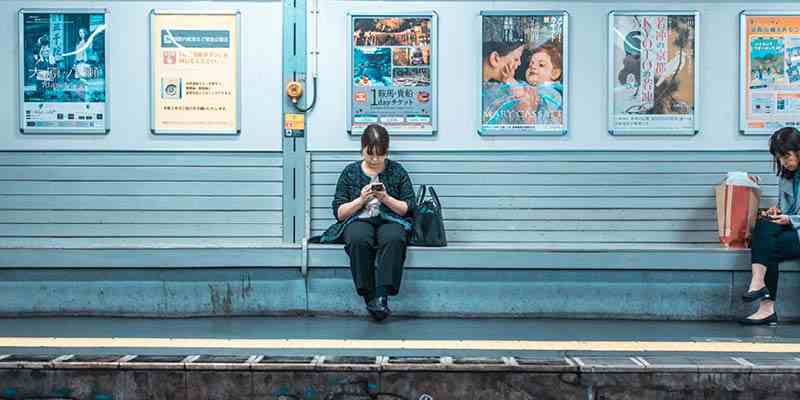
Those in favour of such sweeping reforms can point to reduced communication in society. Look inside any public space, whether it be a library, a store, a bus, or a park, and most likely the majority of individuals will be staring at their phones. This stands in stark contrast to the days before smartphones when people had to resort to talking to each other, or, at worst, reading a book to curb social anxiety. In the last two decades, mobiles have greatly reduced chance encounters, potential friendships, and conversations with both strangers and friends. The long-term effects of this are still unknown but it is safe to say that future generations will be less sociable and dynamic and more isolated and passive.
Nonetheless, banning phones in public is purely theoretical as they have become indispensable. Most jobs require employees to either be available by phone, for example doctors and police officers, or to use their phones throughout the day, as is common with businessmen and lawyers. This means most people must have their phone on them in public places for work reasons. Moreover, phone addiction has reached a point where nearly everyone in public is either messaging, playing a game, reading the news, or scrolling through social media. These have become important escapes for individuals and serve the practical purpose of minimising boredom during breaks and while waiting. Phones are therefore no longer a luxury but a key ingredient in daily life.
In conclusion, despite the impact of phones on social interaction, I believe a ban would interfere too much with ingrained habits. It is instead the responsibility of individuals to police their own behaviour.
Analysis
1. There have been recent calls for the regulation of mobile phones in public areas. 2. In my opinion, though this would have a positive effect on social interactions, a complete ban is unrealistic and impractical.
Write a clear opinion – don’t sit in the middle. Include your main ideas if possible.
1. Those in favour of such sweeping reforms can point to reduced communication in society. 2. Look inside any public space, whether it be a library, a store, a bus, or a park, and most likely the majority of individuals will be staring at their phones. 3. This stands in stark contrast to the days before smartphones when people had to resort to talking to each other, or, at worst, reading a book to curb social anxiety. 4. In the last two decades, mobiles have greatly reduced chance encounters, potential friendships, and conversations with both strangers and friends. 5. The long-term effects of this are still unknown but it is safe to say that future generations will be less sociable and dynamic and more isolated and passive.
Write a topic sentence with a clear main idea at the end.
Explain or begin to develop your main idea.
Making a comparison to the past is a good way to develop your idea.
Include specific details.
State the final results and don’t switch to a new main idea.
1. Nonetheless, banning phones in public is purely theoretical as they have become indispensable. 2. Most jobs require employees to either be available by phone, for example doctors and police officers, or to use their phones throughout the day, as is common with businessmen and lawyers. 3. This means most people must have their phone on them in public places for work reasons. 4. Moreover, phone addiction has reached a point where nearly everyone in public is either messaging, playing a game, reading the news, or scrolling through social media. 5. These have become important escapes for individuals and serve the practical purpose of minimising boredom during breaks and while waiting. 6. Phones are therefore no longer a luxury but a key ingredient in daily life.
Write another topic sentence with a new clear main idea.
Begin developing your idea.
State the results.
If you switch to another idea, be sure it is related to your topic sentence.
Explain/develop your ideas fully.
Finish with a strong statement.
1. In conclusion, despite the impact of phones on social interaction, I believe a ban would interfere too much with ingrained habits. 2. It is instead the responsibility of individuals to police their own behaviour.
Summarise your main ideas and repeat your opinion.
There have been recent calls for the regulation of mobile phones in public areas. In my opinion, though this would have a positive effect on social interactions, a complete ban is unrealistic and impractical.
Those in favour of such sweeping reforms can point to reduced communication in society. Look inside any public space, whether it be a library, a store, a bus, or a park, and most likely the majority of individuals will be staring at their phones. This stands in stark contrast to the days before smartphones when people had to resort to talking to each other, or, at worst, reading a book to curb social anxiety. In the last two decades, mobiles have greatly reduced chance encounters, potential friendships, and conversations with both strangers and friends. The long-term effects of this are still unknown but it is safe to say that future generations will be less sociable and dynamic and more isolated and passive.
Nonetheless, banning phones in public is purely theoretical as they have become indispensable. Most jobs require employees to either be available by phone, for example doctors and police officers, or to use their phones throughout the day, as is common with businessmen and lawyers. This means most people must have their phone on them in public places for work reasons. Moreover, phone addiction has reached a point where nearly everyone in public is either messaging, playing a game, reading the news, or scrolling through social media. These have become important escapes for individuals and serve the practical purpose of minimising boredom during breaks and while waiting. Phones are therefore no longer a luxury but a key ingredient in daily life.
In conclusion, despite the impact of phones on social interaction, I believe a ban would interfere too much with ingrained habits. It is instead the responsibility of individuals to police their own behaviour.
Answers
recent calls people asking for
regulation rules about
public areas libraries, parks, etc.
positive effect good impact
social interactions talking to people
complete ban totally restricting
unrealistic not likely
impractical can’t really happen
in favour of preferring
sweeping reforms big changes
reduced communication less talking to each other
public space outside the home
whether it be if it is… or
most likely often
majority most of
staring looking at
stands in stark contrast to big difference to
resort have to use
at worst worst case scenario
curb social anxiety be calm in public
greatly reduced chance encounters much fewer opportunities for new meetings
potential friendships possible relationships
long-term effects how things will be impacted in the future
unknown still up in the air
it is safe to say that will likely be true that
less sociable not as friendly
dynamic active, malleable
isolated alone
passive not active
purely theoretical only works in theory/as an idea
There have been r_________________s for the r_______________n of mobile phones in p________________s. In my opinion, though this would have a p_________________t on s____________________s, a c________________n is u________________c and i________________l.
Those i_________________f such s___________________s can point to r____________________________n in society. Look inside any p_________________e, w__________________e a library, a store, a bus, or a park, and m________________y the m______________y of individuals will be s______________g at their phones. This s___________________________o the days before smartphones when people had to r___________t to talking to each other, or, a___________t, reading a book to c___________________y. In the last two decades, mobiles have g________________________________s, p__________________________s, and conversations with both strangers and friends. The l____________________s of this are still u______________n but i___________________________t future generations will be l__________________e and d_______________c and more i_____________d and p_____________e.
Nonetheless, banning phones in public is p____________________l as they have become i____________________e. Most jobs require employees to either be a_________________e by phone, for example doctors and police officers, or to use their phones throughout the day, a____________________h businessmen and lawyers. This means most people must h_________________________m in public places for work reasons. Moreover, p_____________________n has r______________________t where nearly everyone in public is either messaging, playing a game, reading the news, or s_______________g through social media. These have become important e_____________s for individuals and s____________________________e of m______________________m during breaks and while waiting. Phones are therefore no longer a l______________y but a k____________________t in daily life.
In conclusion, despite the impact of phones on social interaction, I believe a ban would i________________e too much with i______________________s. It is instead the responsibility of individuals to p_____________e their own behaviour.
Listening Practice
Watch the related video about a phone ban in schools below:
Reading Practice
Read about how phones may or may not have ruined a generation below:
"The highest quality materials anywhere on the internet! Dave improved my writing and vocabulary so much. Really affordable options you don't want to miss out on!"